×
×
Modern hip replacement (also called hip arthroplasty) is surgery for people with severe hip damage. The
most common cause of damage is osteoarthritis. Osteoarthritis causes pain, swelling, and
reduced motion in your joints. It can interfere with your daily activities. If other treatments such as physical therapy, pain medicines, and exercise haven't helped, hip replacement surgery might be
an option for you.
During a hip replacement operation, the surgeon removes damaged cartilage and bone from your hip joint and replaces them with new, man-made parts.
A hip replacement can:
• Relieve pain
• Help your hip joint work better
• Improve walking and other movements
Osteoarthritis is the most common form of arthritis. It causes pain, swelling, and reduced motion in your joints. It can occur in any joint, but usually it affects your hands, knees, hips or spine.
Osteoarthritis breaks down the cartilage in your joints. Cartilage is the slippery tissue that covers the ends of bones in a joint. Healthy cartilage absorbs the shock of movement. When you lose
cartilage, your bones rub together. Over time, this rubbing can permanently damage the joint. Risk factors for osteoarthritis include:
• Being overweight
• Getting older
• Injuring a joint
Types of Hip Replacement Procedures
Surgeons perform hip replacements with a posterior (back of the hip) approach or an anterior (front of the hip) approach. They often choose the posterior approach because it allows better visibility of the hip joint, and it is less invasive.
Special bone cement is commonly used to hold hip implants in place, but some surgeons use a cementless fixation technique. Devices that do not require cement have a textured surface that allows the bone to grow onto the implant and secure it. A hybrid total hip replacement involves implanting the cup without cement and setting the stem in place with cement.
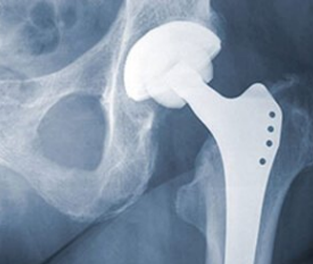
Total Hip Replacement
A total hip replacement uses an artificial joint to replace the entire hip structure. During the
procedure, surgeons insert the hip stem into the patient’s femur for stability, replace the head of the femur with a ball and replace the socket with an artificial cup. Total hip replacements are the most common type of hip replacement surgery.
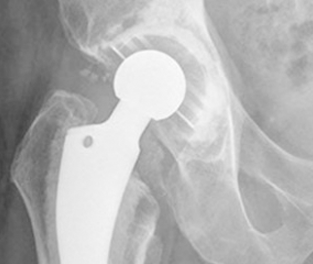
Partial Hip Replacement
Doctors recommend partial hip replacements (hemiarthroplasty) when only one part of a hip
needs treatment. In most cases, the acetabulum, also known as the socket or cup, remains intact and a ball replaces the head of the femur. Some partial hip replacements only address the
acetabulum. A partial hip replacement typically corrects a hip fracture at the neck of the femur.
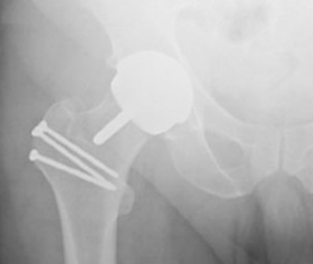
Hip Resurfacing
A hip resurfacing procedure can delay a total hip replacement in younger patients who are likely
to outlive the original implant and require a second surgery later in life. Doctors may also recommend hip resurfacing to improve symptoms of arthritis.
During hip resurfacing, surgeons replace the socket with an artificial cup and resurface the head of the femur instead of removing it. Then they cement a cover that’s usually made of metal on top of the femur. The cover has a short stem that is inserted into the neck of the femur.
Your doctor will begin by making an 8- to 15-inch incision over your hip. Tissue and muscle are
carefully moved aside to expose your hip joint. The end of the thighbone is then cut, using special
guides and saws. The natural "ball" of the hip joint is then removed. The thighbone is then prepared, which involves removing a portion of the middle part of the bone.
Special instruments are used to prepare the socket area for the implant. This involves removing some of the tissue and bone to make a smooth, round surface for the implant. Screws are
sometimes used to fix the metal replacement socket into place.
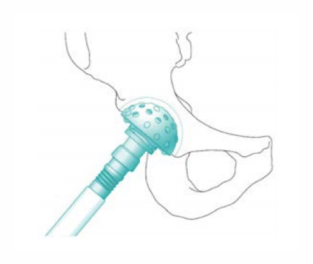
Acetabular reaming procedure
 Hot News
Copyright © 2025 by Shanghai Bojin Medical Instrument Co., Ltd. - Privacy policy

 EN
EN