×
×
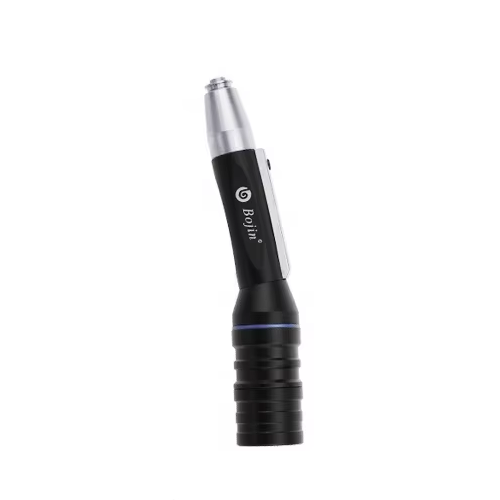
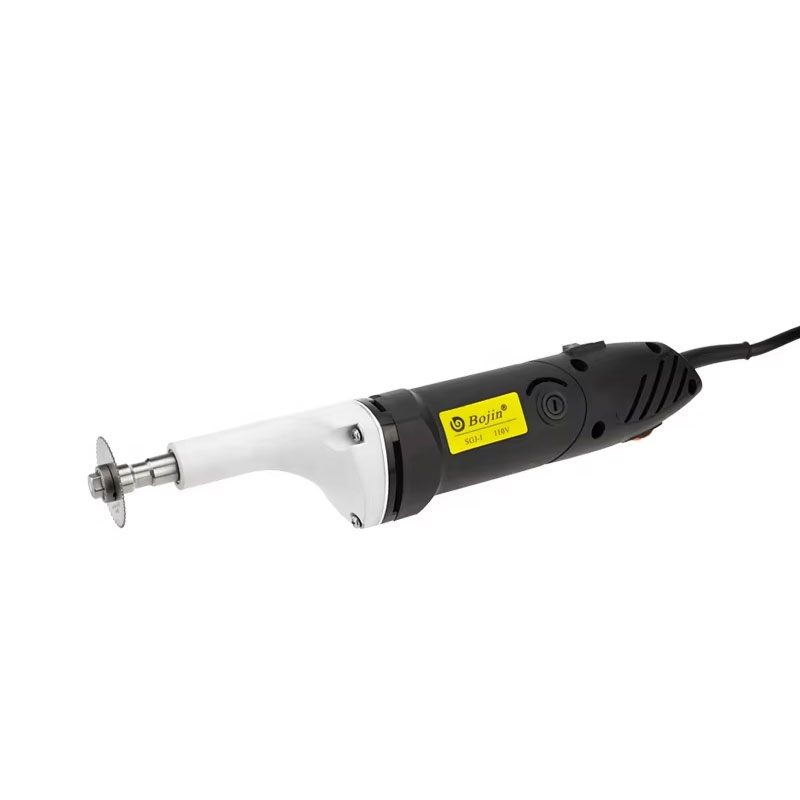
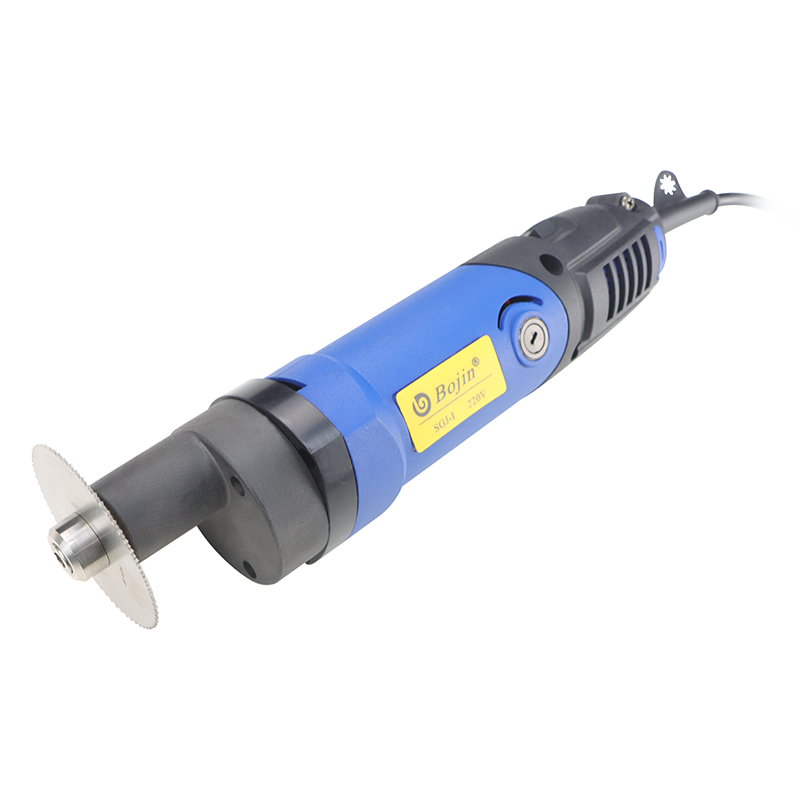
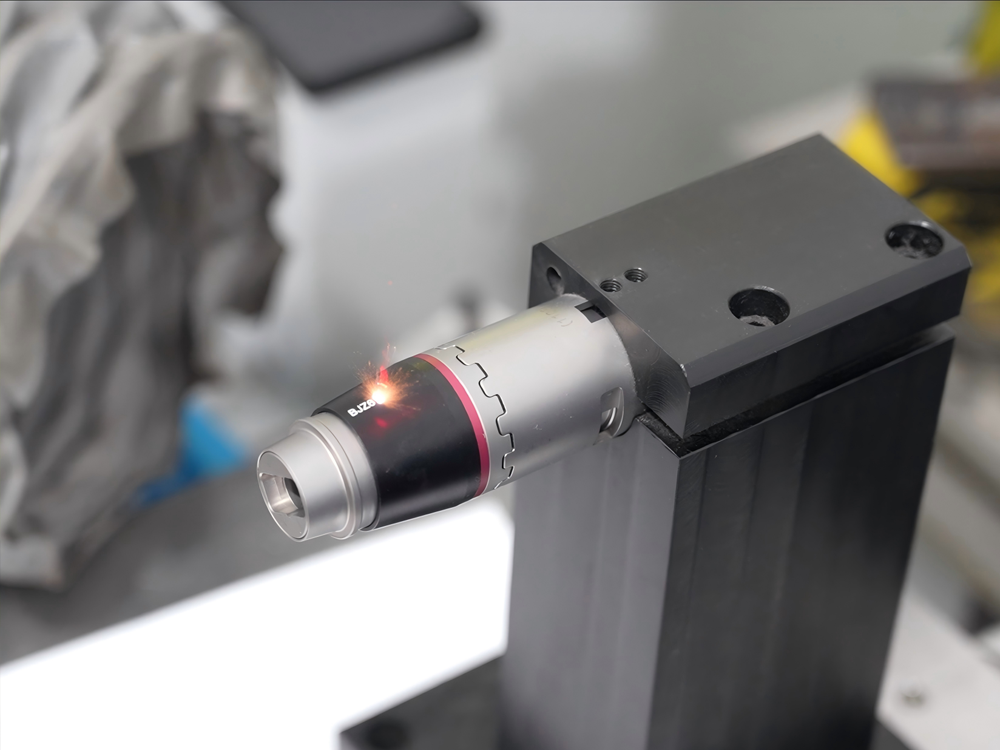
Precision and safety are extremely paramount in orthopedic surgery, especially in instruments that come in direct contact with bone tissue such as orthopedic drills. In fact, the safety design of the drill directly determines the complexity of the orthopedic procedure, whether it’s a joint replacement or spinal surgery, it determines how fast the patient’s recovery is. Top-ranked hospitals have clinically proven that orthopedic drills with purposely designed safety features in its construction and design have been shown to reduce the chance of surgical complications by 30%. This illustrates the value of safety focused design in engineering orthopedic powered tools. Internationally, Bojin orthopedic drill is known for it's world class safety features are designed in compliance with industry safety standards and addresses the needs of the practicing surgeons.
Torque control technology is integrated into this drill providing the necessary safety features for use in orthopedic surgery. Each drill is manufactured with the capacity to customize the torque control to be suitable for different levels of bone density: cortical bone, cancellous bone, and osteoporotic bone. These features comply with the AO standards for orthopedic surgery. These are considered the best practices in the world and specifically focus on controlling and limiting the amount of force that is used to prevent damaging the bone or over drilling. An example of this is overload protection, which, in the case of the drill, is designed to cut power to the drill if it meets unforeseen resistance, such as, exceptionally dense bone or metal or plastic bone screws. This system has proven to be effective in clinical trials in one of the largest orthopedic clinics in Europe, where it prevented over 20 injuries to the bone in just one year. This is especially important in high risk surgeries, such as, femoral nailing. This system is also responsive to less than 0.5 seconds, which is the emergency shutoff point as per EN 60745 1, which is the European Standard for safety of handheld power tools, which meets the standard for safety in Europe.
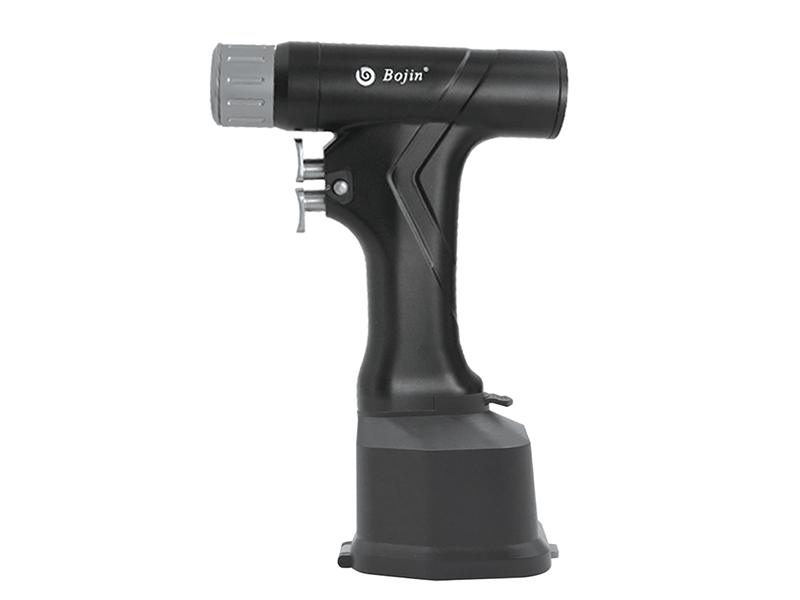
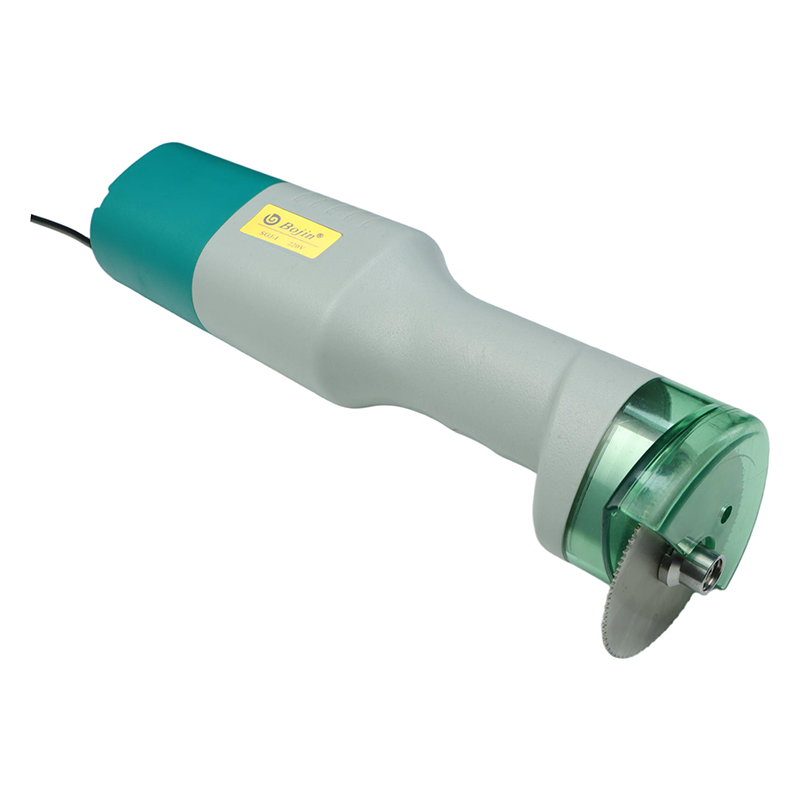
Our drill is built with the best standards in the industry. We comply with regulations from the IEC 60601 1. and the FDA 21 CFR Part 820 regarding electrical safety with double insulation that contractors current leakage to less than 10μA. This means that no electrical shocks will occur to either the patients or the surgeons in the presence of water. We have taken the same careful considerations regarding safety mechanical. All drills have a protective cover that withstands greater than 50N of pressure to ensure that no operator contact with drill components can occur while the drill is operational. The emergency power cut off button is provided and fully compliant with EN ISO 13850 standards and is designed to be activated safely and easily with a single hand. All sharp edges have been removed from the drill and met the medical device mechanical safety test standards that require the drill to withstand a 15N force test for both defamation and injury. All of these features ensure that the drill meets the high standards of safety expected in both normal and emergency surgical situations.
Drilling to an incorrect depth can result in serious intra-operative complications, especially injuries to blood vessels and nerves in the vicinity of the bone. The drill has a mechanical depth limiter designed to be set to the exact depth required for the procedure, within ±0.1mm of the required depth. Such precision is required for spinal fusion and small joint surgeries. Clinical studies have shown that preset depth control is associated with a 40% reduction in the risk of nerve injury during orthopedic surgeries. The drill's active cooling system, designed to prevent bone tissue necrosis and mitigate the risk of postoperative infections, is complemented by thorough circulation of sterile saline, which artificially induces cooling during drilling. The cooling system has been designed to be compatible with all standard surgical irrigation systems, allowing for simple integration into the surgical workflow, while not increasing the workload of the surgical crew in any way.
The safety features of all surgical instruments include preparation for sterilization, and the detachable parts of the drill are made of stainless steel of medical grade and complies with the ISO 10993 standard for biocompatibility. Each part resists the mechanical and chemical effects of steam sterilization at 134 ℃ for an unlimited number of cycles, ensuring that there will never be cross contamination between different patients. The drill chuck uses an innovative double locking mechanism that prevents bit slippage during very rapid drilling—a major safety risk posed by poorly made orthopedic drills. The anti slip chuck design meets the safety requirements of EN 62841 2 1 for drill holding systems and has a torsional resistance of over 30N·m, ensuring that the insert will not move during high torque surgical operations. All detachable parts are equipped with a designed misassembly prevention feature that has passed the 20N pull test which means that there will be no unintended separation of these parts during surgery—one of the most critical requirements for a safe surgical environment.
The drills’ multiple safety features have several advantages to the medical facilities. Safety designs also help minimize intra operative complications and post operative infections which reduce hospital stays by 2-3 days. Patients recover faster and better. In turn, hospitals have increased bed turnover and decreased expenses for complications/delays in treatment that need to be managed. The drills’ safety designs also help with regulatory barriers because the drills meet global safety standards (FDA, CE, ISO, and CCC), so hospitals that have international services can use the drills for cost effective options. The drills’ safety designs also help new surgeons because they can manage the drills without a lot of training. The data from over 20,000 medical facilities that have been serviced by Bojin show that the drills’ safety designs have lowered the total orthopedic surgical costs by 15% and increased the surgical success rate, which means that safety designing is not only a clinical necessities, but also commercial necessities for medical facilities.
In total, the safety features present in the Bojin orthopedic drill are the product of over 30 years of experience in both the research, development, and manufacturing of orthopedics, in addition to collaboration with international orthopedic researchers and universities. Each of the drill's designs focuses on the real life needs of surgeons and adheres to the safety guidelines of various countries, making it a trustworthy and safe instrument for orthopedic surgeons throughout the globe. Choosing an orthopedic drill that has extensive safety features is not only about meeting a medical institution's clinical compliance; it is about demonstrating a commitment to the safety of patients and the success of surgical interventions.
 Hot News
Copyright © 2025 by Shanghai Bojin Medical Instrument Co., Ltd. - Privacy policy

 EN
EN