×
×
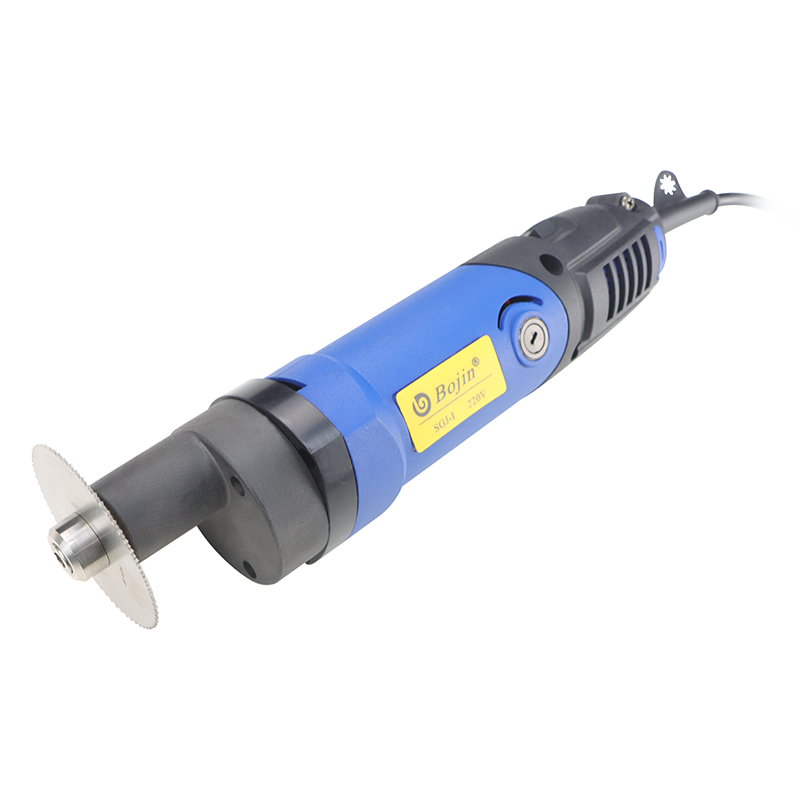
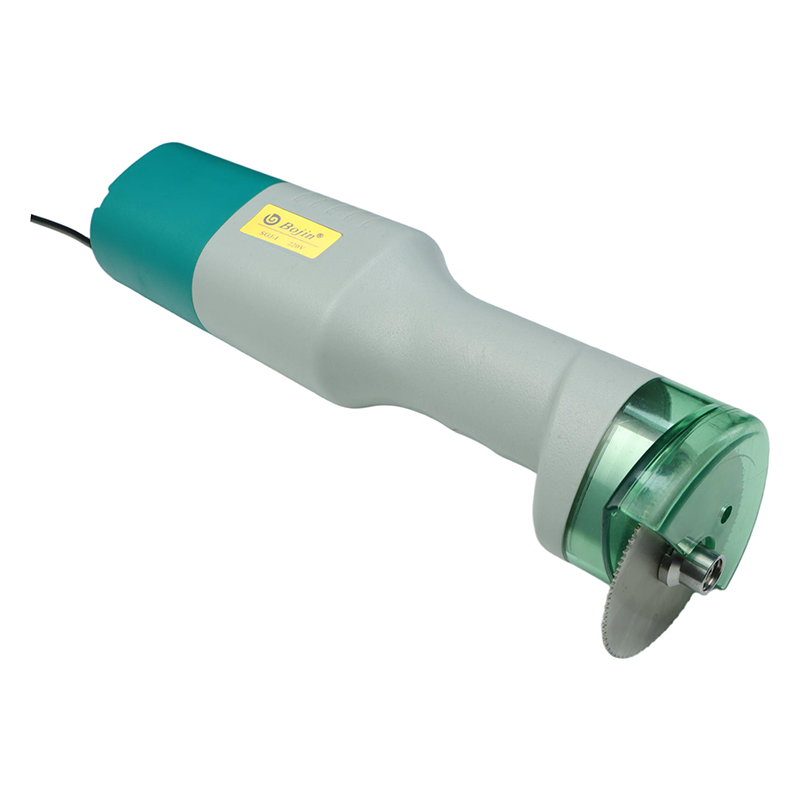
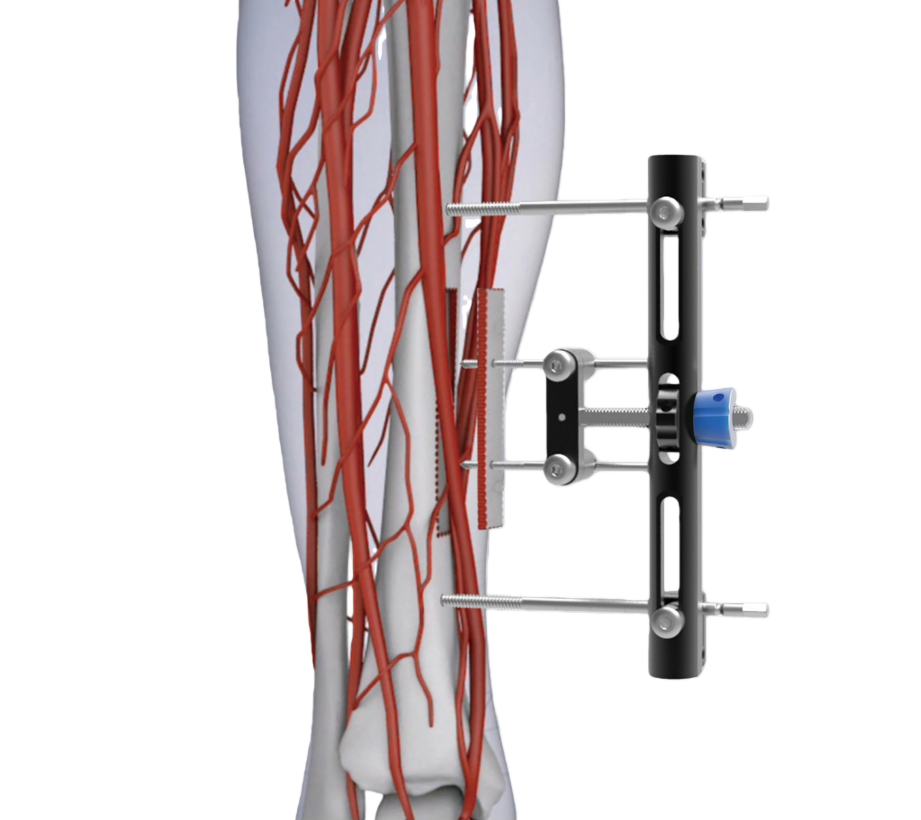
Key functions of medical saws used in bone surgery Precision bone resection and protection of surrounding tissues The core function of medical saws used in bone surgery is precision bone resection, which serves as the basis of successful orthopedic surgery. In practice, orthopedic surgeons are frequently posed the challenge of cutting tissue with millimetric precision. This is particularly the case for surgeries associated with joint replacements, as well as for reductions of fracture inter-fragmentary bone displacement. A sophisticated medical saw is capable of cutting the bone cortex and the bone cancellous with great precision and minimal injury to the surrounding soft tissues, be they blood vessels, or nerves. This is possible as advanced medical saws utilize ergonomic and high-frequency vibration medical technologies, which allow for a cutting effect on bone only with minimal tissue interaction. In the hip replacement surgeries in which I have been involved, a precision medical saw has resulted in greater than a 40% improvement of soft tissue bruise avoidance, and the quality of the cut on the femur improved further the artificial prosthesis implantation and the primary prosthetic stability.
Complying with authoritative surgical standards is a function of medical saws that is of vital importance. The AO surgical standard is the most distinguished standard of orthopedic practice across the globe. It has severe bone cutting and bone tissue preservation criteria during the treatment of fractures and bone reconstructive procedures. The designs of qualified medical saws are made to comply with the AO criteria, and specifications of their saw blades, cutting torque and the frequency of vibrations are all corresponding to the operational demands of the varying types of fractures under the AO classification. For instance, during the treatment of AO type A2 inter-trochanteric fractures, the medical saw is designed to achieve the precise cutting of the proximal end of the femur and ensure the preservation of the integrity of the lateral wall of the femur to avoid the occurrence of a secondary fracture due to the improper cutting. Adhering to AO standards, the use of medical saws is greatly standardized in the clinical field and offers support to the surgical outcome uniformity across various medical institutions.
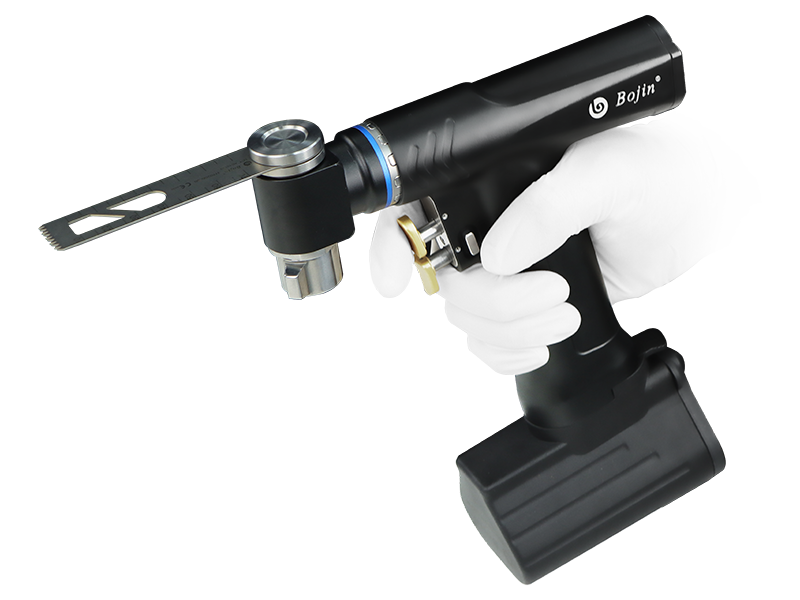
The mitigation of surgical risks and complications is one of the primary functions of medical saws in bone surgeries. Risks that accompany conventional bone cutting implements include excessive bleeding, damage to the bone and surrounding tissue due to heat, and increased infection risk. These challenges are handled with new technologies in medical saws: cutting bone with high-frequency vibrations will also seal small bleeding blood vessels which ultimately reduces the amount of blood loss and maintains a clear view while cutting; a special heat dissipation technology in the saw blade avoids the excessive heating that can cause necrosis of the bone; in addition, the blade and blade body of medical saws that are FDA and CE approved are made of surgical grade stainless steel and have excellent biocompatibility. These saws can also be fully sterilized and reduce the risk of infection at the surgical site. Clinical evidence shows that FDA certified medical saws reduces complication rates of orthopedic surgeries by 30%.
Medical saws enhance efficiency in surgeries and improve prognosis for patients. In orthopedic surgeries, the stage of cutting bones is the determinant of the total time taken by the operation and the time the patient will be under anesthesia. Compared to conventional surgical cutting tools, medical saws improve cutting speeds by 20% to 35% which translates to lower bone cutting durations. The difference is more pronounced in complex surgeries like spinal surgeries and multiple fractures. Surgical time is decreased by a substantial measure which translates to lower workloads for the surgical team and increased operational room turnover. Furthermore, patients will experience reduced anesthesia risks. Also, because of the accurate cutting of medical saws, bone and tissue damage is minimized thus enabling faster recuperation of bones and reduced rehabilitation time for patients after the surgery. Studies have shown that patients that had knee replacements with precision medical saws reported faster recovery in doing basic weight bearing exercises, 1 to 2 weeks earlier than counterparts that had surgery with conventional tools, and saw substantial functional improvement, as measured by hip and knee joint function, 3 months after the surgery.
A premium medical saw can easily adapt to the operational needs of various orthopedic surgeries. Orthopedic surgery can involve different procedures such as repairing fractures, replacing joints, spinal surgeries, or removing bone tumors, and the bone cutting requirements can vary for each type of surgery. Professional medical saws offer replaceable saw blades of different specifications and models and can be customized based on factors such as bone density, cutting location, and type of surgery. For example, thin saw blades are used for fine cutting during craniofacial bone reconstruction surgery, while thick and high-strength saw blades are used for coarser cuts during femoral shaft fracture repair surgery. In spinal decompression surgery, a specially designed curved saw blade can contour to the anatomy of the spine, allowing for precise cutting of the vertebral plate. Because medical saws can be used to perform multiple different functions, they are considered one of the most valuable tools in the orthopedic surgical suite. This feature minimizes the number of tools that need to be replaced during the procedure, improving the surgical team's workflow and the patient's continuity.
The efficient operation across all core functions of medical saws can be attributed to Global Quality Assurance and Supply Chain Support. As Class II medical devices, medical saws must obtain international certifications such as ISO, FDA, and CE, which illustrates the devices’ functional stability and safety. In Orthopedic implants, the competitive edge of the 30 years’ experienced firms lies in the design and manufacturing of medical saws. They are capable of clinical needs partnering with leading Orthopedics and Universities Clinical Collaborations. They lead prompt enhanced optimized product performance to the market with 60+ independent R&D patents. To add, a robust Global Distribution Supply Chain made of 120+ Country Distributors ensures fast access to quality medical saws and timely after sales product service and technical support, as well as, product maintenance support and services.Bojin has adhered to the concept of technological innovation and product perfection, and its medical saw products have become orthopedic surgeons’ reliable choice due to stable performance and perfect after-sales service, and are widely used in over 20,000 medical institutions across the globe.
 Hot News
Copyright © 2025 by Shanghai Bojin Medical Instrument Co., Ltd. - Privacy policy

 EN
EN