×
×
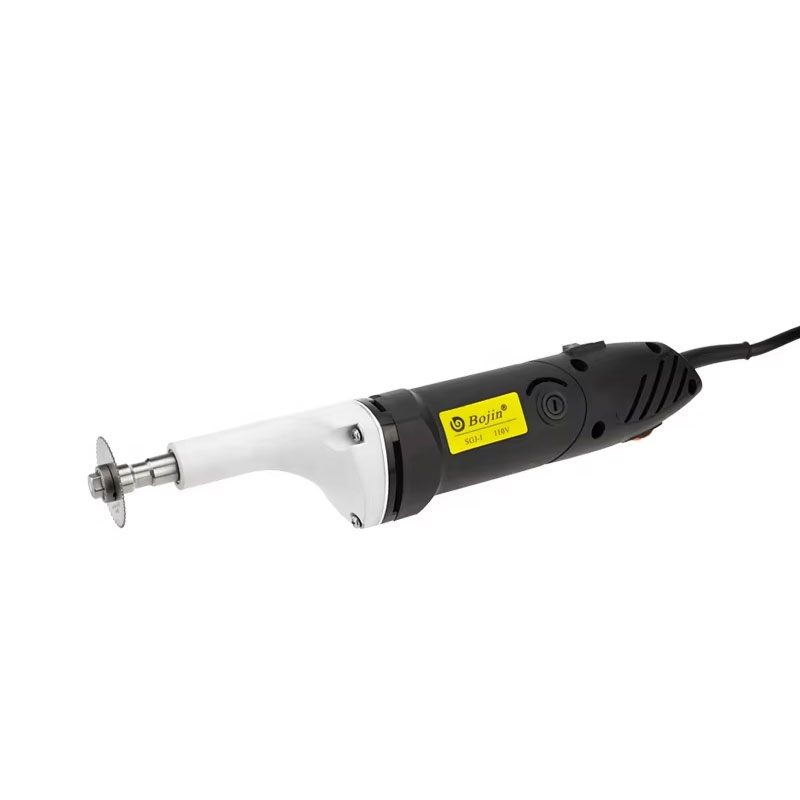
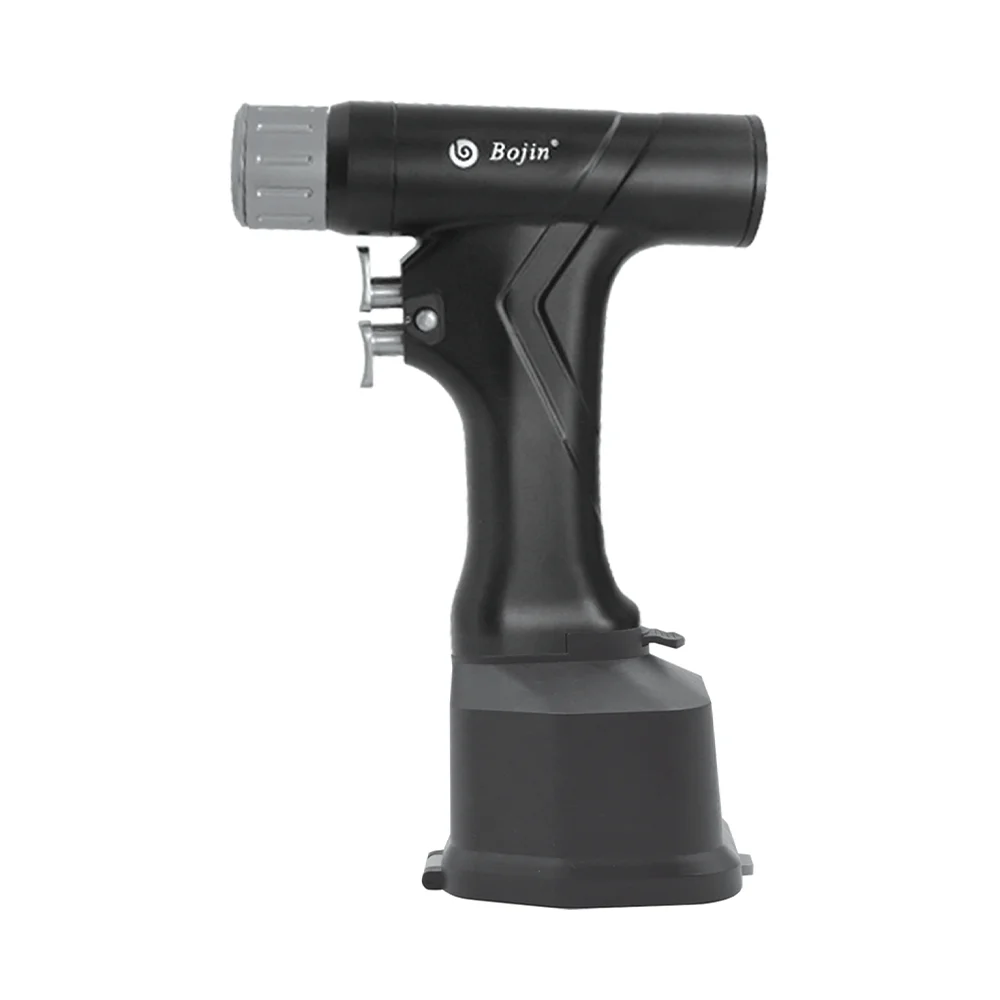
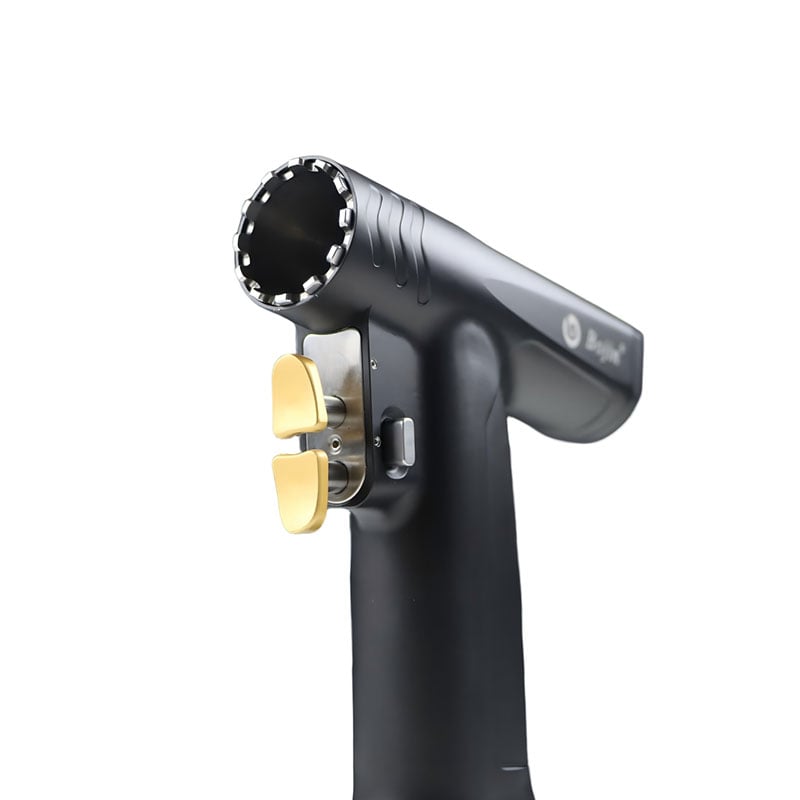
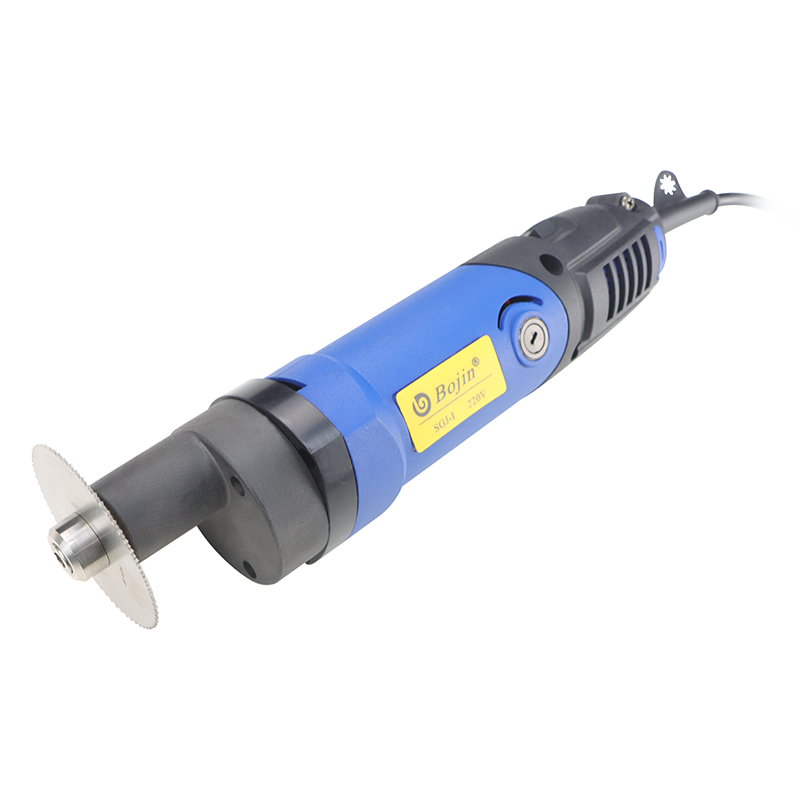
Enhancements in technology have allowed orthopedic drills to become highly sophisticated instruments that increase precision and efficiency in surgery. Their highly diverse range of applications span across almost all orthopedic subspecialties including trauma surgery, joint replacement surgery, spinal surgery and reconstructive surgery. Advances in the technology used to manufacture orthopedic drills has also increased their utility and safety for use in clinical settings. A strong clinical need for each design evolution is present, helping to ensure that surgeons have the appropriate instruments to minimize negative outcomes for their patients.
The orthopedic drill is a versatile tool that is used in every important orthopedic procedure. In \fixation fracture surgery, the drill is used to create precise holes to place internal fixation devices, guided by the AO surgery reference for standards for bony union and malalignment correction. In joint replacements, the drill is used to prepare and shape the surfaces of the bones at the same depth and angle so that the implant is stable, which is instrumental in hip and knee replacements. In spinal surgery, there are special drills that are used for intervertebral foramenoplasty and the resection of the lamina that allow for controlled incision so that there is no damage to the nerves and blood vessels. In the case of core decompression for avascular necrosis of the femoral head, the drill is used to relieve intra-osseous pressure and restore blood flow. In sports medicine, the drill is used for the repair of the meniscus, and for the reconstruction of the ligaments, to prepare fixation points for the anchors in the soft tissue bone interface.
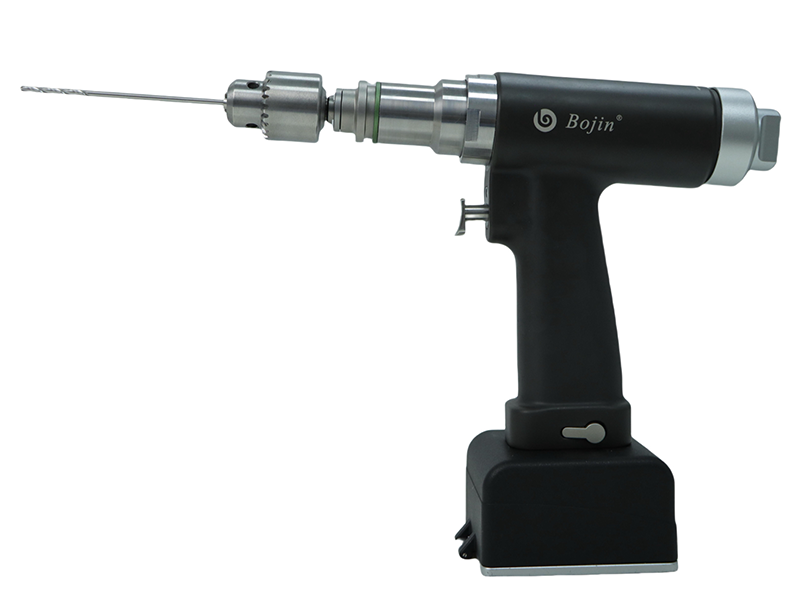
Modern orthopedic drills excel at surgical precision thanks to state-of-the-art engineering and clinical-centered design. Active torque control means the surgeon can set the power output based on the bone density—more power for dense cortical bone and less for porous cancellous bone—so no over-drilling occurs and the bone doesn’t get fragmented. The overall precision for depth of the drilling is at ±0.1mm. That means every drill hole can match the specifications for the surgical procedure and eliminates the need for any rework. This is also a benefit for surgical time. Active cooling is a patented technology the industry uses to combat a clinical challenge that has eluded many: the heat created while drilling. Thermal damage to soft tissue and surrounding bone is a critical factor that can increase post-op complications while reducing the bone's vitality. There are also ergonomic handles for the drills that help reduce surgeon fatigue. They can maintain that consistent precision and accuracy throughout the entire surgical procedure.
The influence of orthopedic drills on patient care and surgical workflow is demonstrated in the real world clinical data and surgical case examples. A recent retrospective study of robotic-assisted core decompression for femoral head necrosis demonstrated that drills with controlled depth and the ability to adjust settings during the procedure resulted in the robotic surgical system creating 50% fewer incisions and 40% less fluoroscopy time to determine and adjust surgical targets, while achieving comparable levels of hip function recovery. In complicated trauma surgeries involving the comminuted fracture of the long bones, AO-compliant drills resulted in time savings of up to 30% due to the automatic drill-collared screws, thus decreasing the risk of surgical site infections (NSIs) due to the decreased duration of the surgery. Surgeons from the highest level academic hospitals report a 30% reduction of postoperative complications (POC) due to implant loosening which is attributable to the improved gap of the integrated bone and implant (BI) due to the orthopedic drill that is not merely a tool, but indeed, a driver of patient safety and improved surgical outcomes.
Safety is implemented in the design of every modern orthopedic drill. All designs incorporate international certifications and features that comply with the most rigid clinical guidelines. Safety features in every drill include systems that can detect and respond to the amount of resistance during drilling. These systems have specific preset levels of resistance that will stop the drill before the drill bit may accidentally penetrate the bone or cause damage to nerves. This is critically important in drills designed for the spine and pelvic region. All orthopedic drills and drill pieces are designed to comply with the most stringent global regulations. In the US., a drill must have FDA 510(k) clearance and for the EU., it must have CE marking and ISO 13485, which governs Medical Device (MD) Quality Management Systems (QMS). These certifications demonstrate extensive testing of the drill for performance, safety, and biocompatibility. In every clinical situation, the drills must perform in large hospitals and small clinics. Compliance with these regulations restores assurance to the global community of surgeons that they can practice with the same level of accuracy and safety.
In addition to the positive clinical impacts, the orthopedic drill also provides considerable commercial benefits to healthcare institutions and the medical device industry at large. Due to fewer surgical complications and reduced surgical duration, the cost associated with orthopedic care is lowered. This is due to fewer reoperations, which leads to lower hospital readmission rates and lower patient care costs. For medical institutions, it leads to better utilization of their operating rooms and the ability to increase the volume of surgical procedures without compromising on the quality of surgical care provided. The constant development and innovation of the manufacturing processes of orthopedic drills is justified by the global demand for drills of high quality. Bojin is the leader of R&D with a blend of clinical and manufacturing excellence to produce orthopedic drills that comply with the global compliance and regulatory standards to achieve the various requirements of surgeons across the globe. They have an R&D team of more than 20% of the staff, and each drill is made with the most current clinical knowledge to help orthopedics worldwide to better control drill devices, and for that, we improve the quality of healthcare provided to the patients.
To sum up, the orthopedic drill has a far reaching and extensive application scope and is impacting all areas of orthopedic surgery. It is also impacting the development of more minimally invasive, more precise, and safer procedures. Development of Orthopedic drills shows the positive integration of the interdisciplinary fields of clinical sciences and technology. Each modification and improvement of the drill is made based on doctors and patients needs. The orthopedic drill is a critical instrument that will help advance orthopedic surgery. Continued development will be critical in helping orthopedic drills keep pace with modern clinical needs and will help increase service to the world’s patients.
 Hot News
Copyright © 2025 by Shanghai Bojin Medical Instrument Co., Ltd. - Privacy policy

 EN
EN