×
×
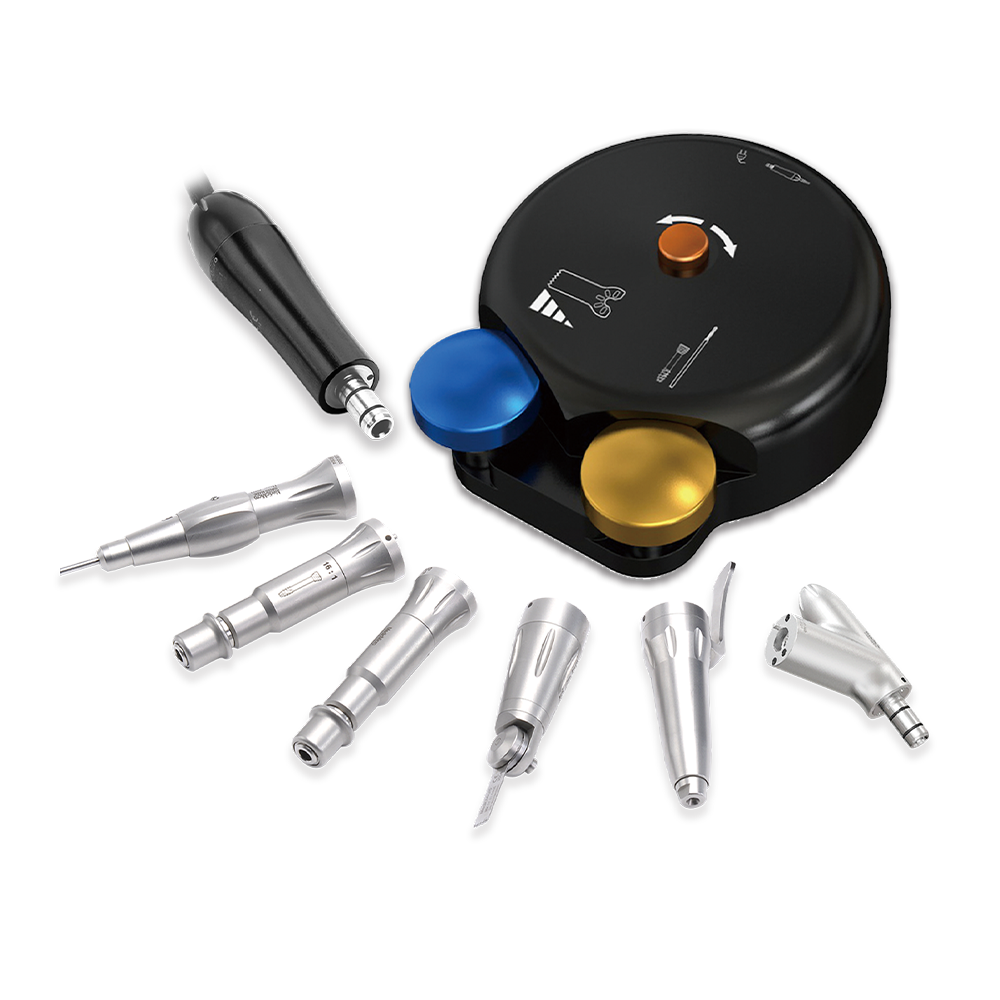
Surgical precision is the cornerstone of orthopedics, where the accuracy of a bone cut directly influences the success of an implant and the patient’s recovery trajectory. In the operating room, medical saws are far from simple cutting tools; they are sophisticated instruments that balance high-frequency power with delicate tissue preservation. Understanding the different types of medical saws is essential for surgical teams seeking to optimize procedural outcomes, whether for joint replacement, trauma reconstruction, or osteotomy.
Medical saws are broadly categorized based on their motion patterns, each tailored for specific anatomical requirements. The most common type is the oscillating saw, which operates through a rapid, side-to-side arc movement. This design is highly favored in total knee or hip arthroplasty because it provides clean, controlled bone resections while significantly reducing the risk of accidental soft tissue damage. Unlike rotary cutters, the limited travel of the oscillating blade ensures that surrounding ligaments, nerves, and major blood vessels remain protected during critical maneuvers.
Conversely, reciprocating saws utilize a linear, back-and-forth motion. These are typically employed in procedures requiring deeper, more aggressive cuts, such as large bone harvesting or complex fracture management where bone fragments must be meticulously cleared. Another specialized variant is the sagittal saw, which offers extreme maneuverability. In practice, the choice between these tools often depends on the site of surgery and the specific bone density involved, reflecting the need for a versatile surgical toolkit.
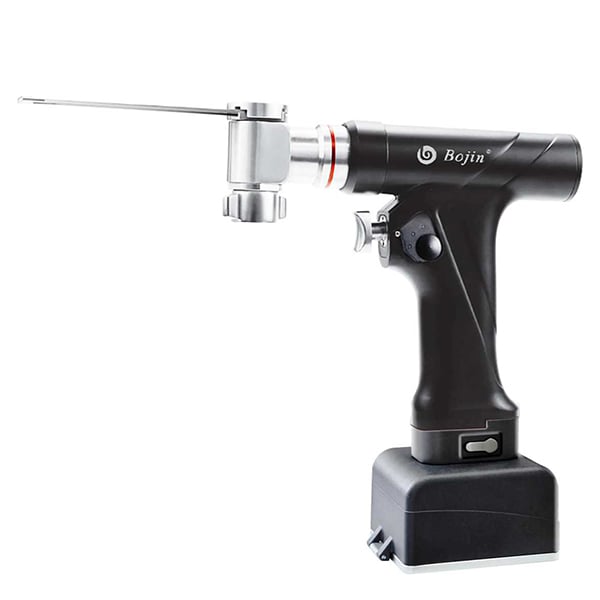
Engineering a medical saw requires a mastery of torque-to-speed ratios. Surgeons often note that the "feel" of a saw—its weight distribution, balance, and vibration levels—is just as critical as its cutting speed. A high-torque motor is essential for dense cortical bone, but it must be managed via intelligent control systems to prevent thermal necrosis. Overheating can damage bone tissue and impede natural healing, which is why modern systems are designed to operate efficiently at lower temperatures.
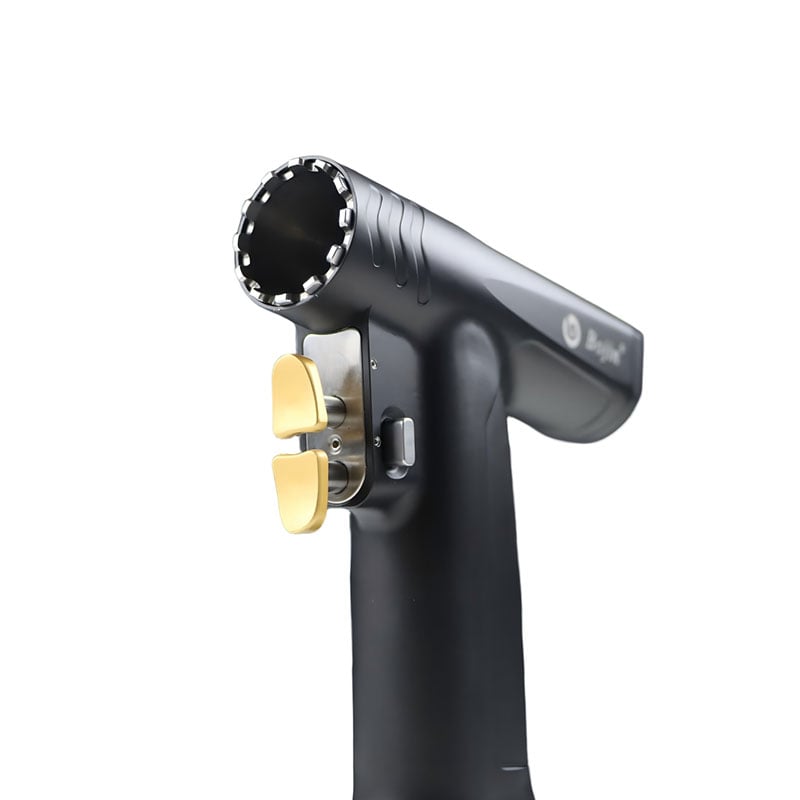
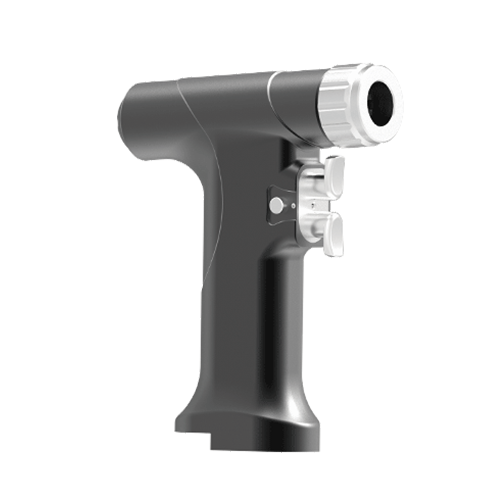
Through decades of manufacturing experience, the industry has shifted toward ergonomic, lightweight handpieces that reduce surgeon fatigue during long, demanding reconstructive procedures. Bojin has focused heavily on this aspect, refining the balance between motor power and the tactile feedback required for intricate bone shaping. The objective is to create a seamless extension of the surgeon’s hand, ensuring that the tool performs consistently from the first cut to the last, regardless of the procedure's duration.
The performance of any medical saw is limited by the quality and design of its blades. The material composition, usually medical-grade stainless steel or specialized alloys, determines the blade’s durability and sharpness. A poorly manufactured blade can generate excess heat or cause splintering, both of which are detrimental to patient outcomes. Advanced blade designs now incorporate debris-clearing channels and precision-ground tooth patterns that reduce drag and allow for a smoother glide through bone matrix.
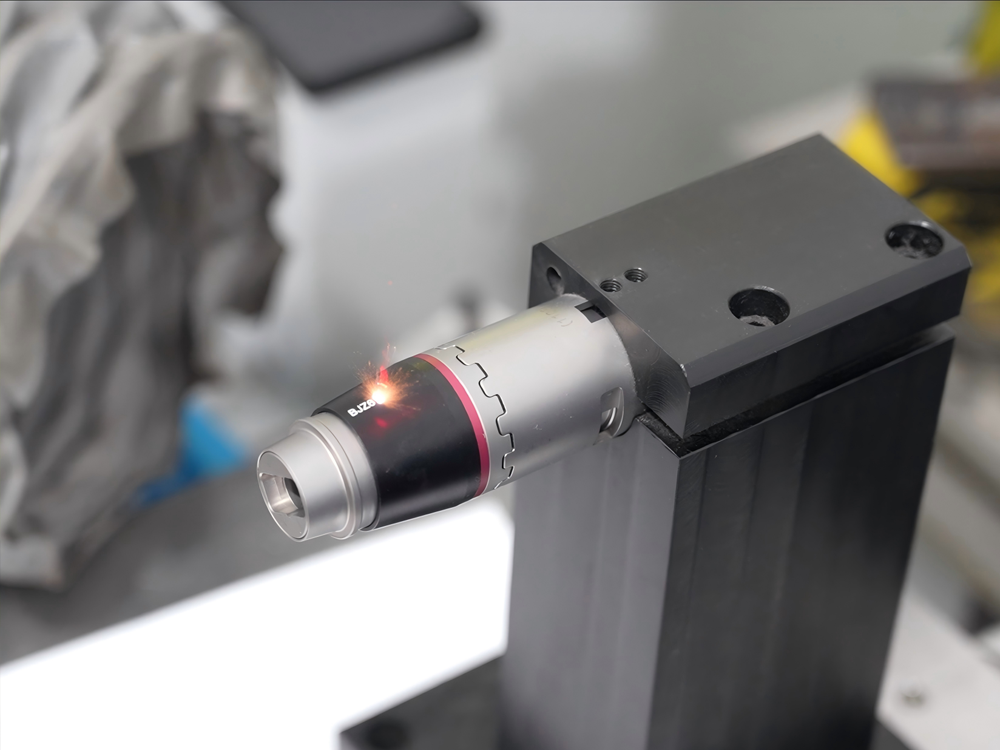
From a manufacturing perspective, the focus is on maintaining rigid tolerance standards. Bojin utilizes advanced precision CNC machining to ensure every blade and coupling component meets strict dimensional accuracy. This attention to detail prevents wobbling during high-speed oscillation, ensuring that the incision path is perfectly aligned with the preoperative plan. When surgical instruments maintain such consistency, the learning curve for clinical staff is flattened, and the overall efficiency of the theater improves.
Investing in high-quality orthopedic power tools is a strategic decision that extends beyond the operating table. Hospitals must evaluate equipment based on total cost of ownership, which includes longevity, ease of maintenance, and compatibility with existing sterilization protocols. Instruments that are compatible with standardized autoclaving methods—withstanding 135°C high-pressure steam—offer significant advantages in emergency environments where rapid instrument turnaround is necessary.
Furthermore, compliance with international standards such as ISO 13485 and FDA registration is non-negotiable. These certifications are the ultimate benchmarks of trust, ensuring that the tools are safe, reliable, and backed by robust quality management systems. Bojin has established itself as a reliable partner in this space, providing not just the hardware, but a comprehensive supply chain solution that supports continuous surgical performance. By choosing equipment that balances clinical excellence with long-term durability, medical facilities protect their investment and, more importantly, prioritize patient safety above all else.
 Hot News
Copyright © 2025 by Shanghai Bojin Medical Instrument Co., Ltd. - Privacy policy

 EN
EN