×
×
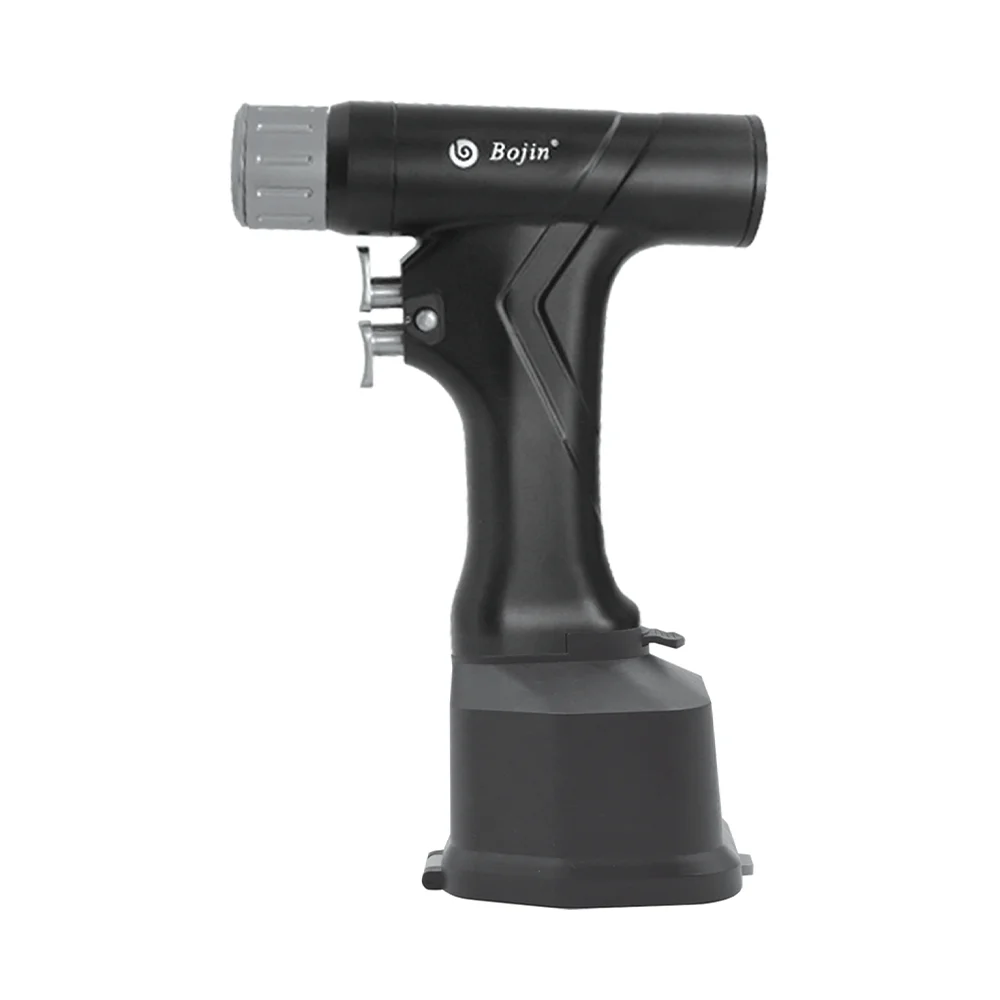
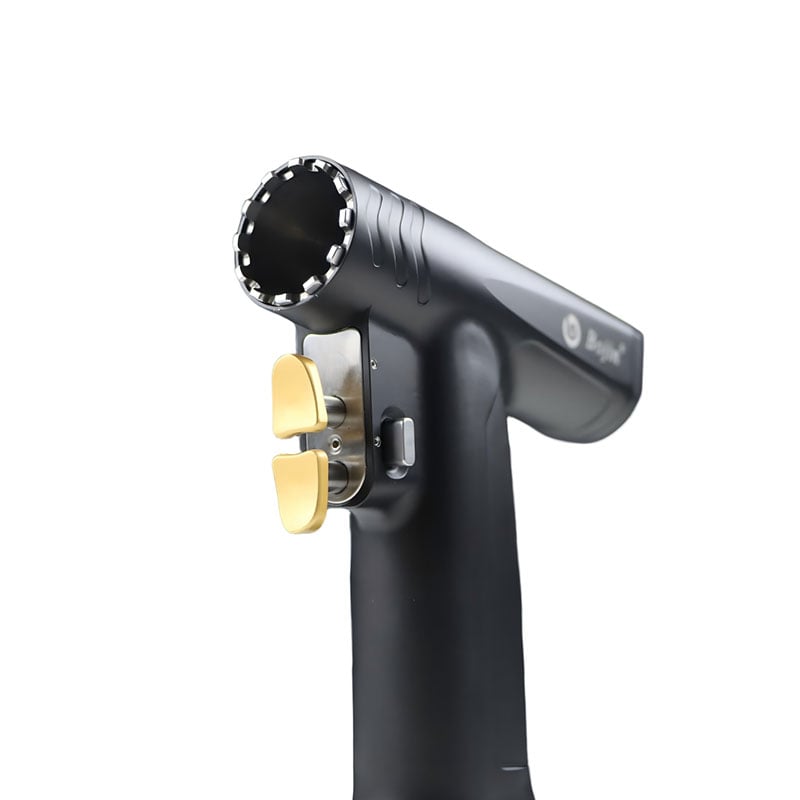
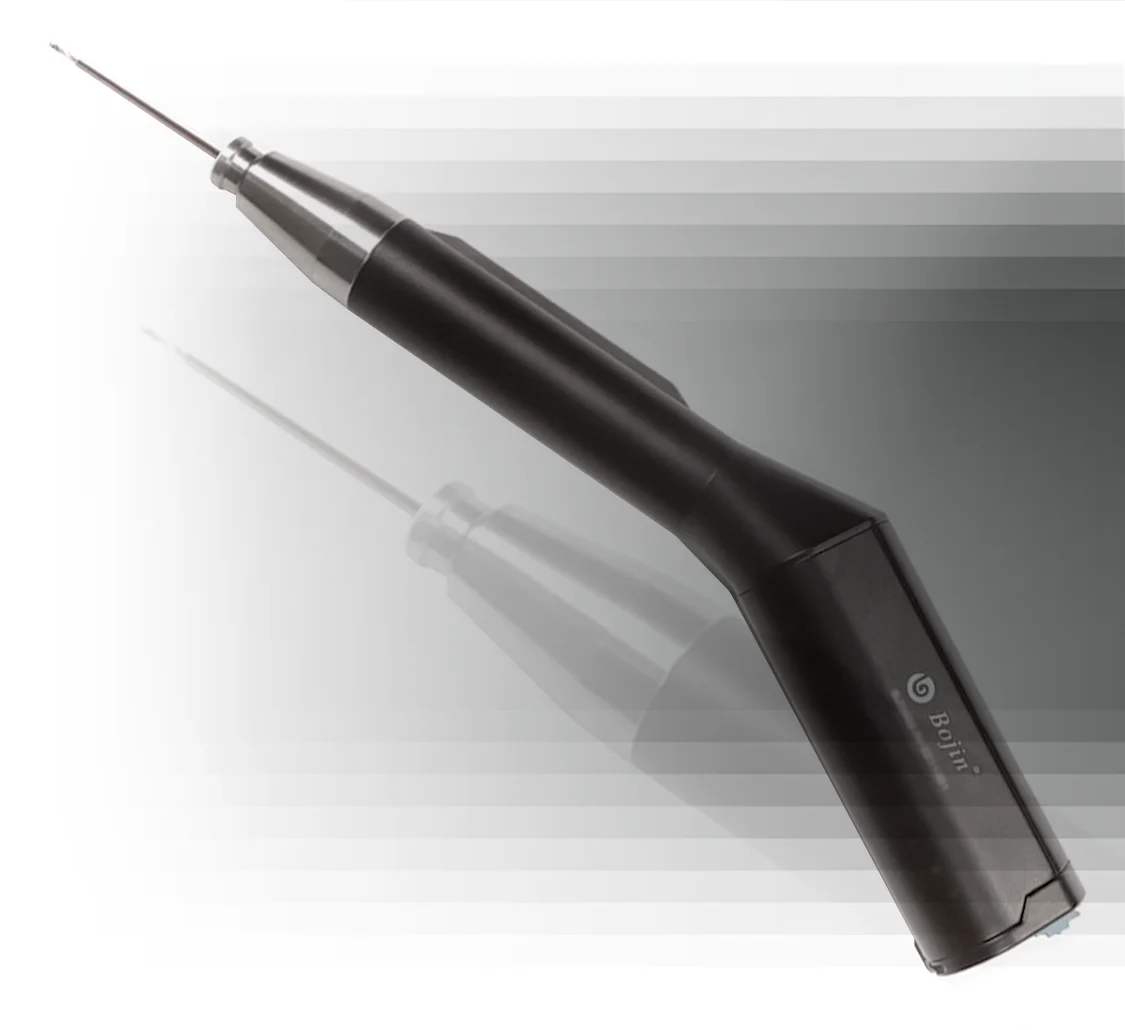
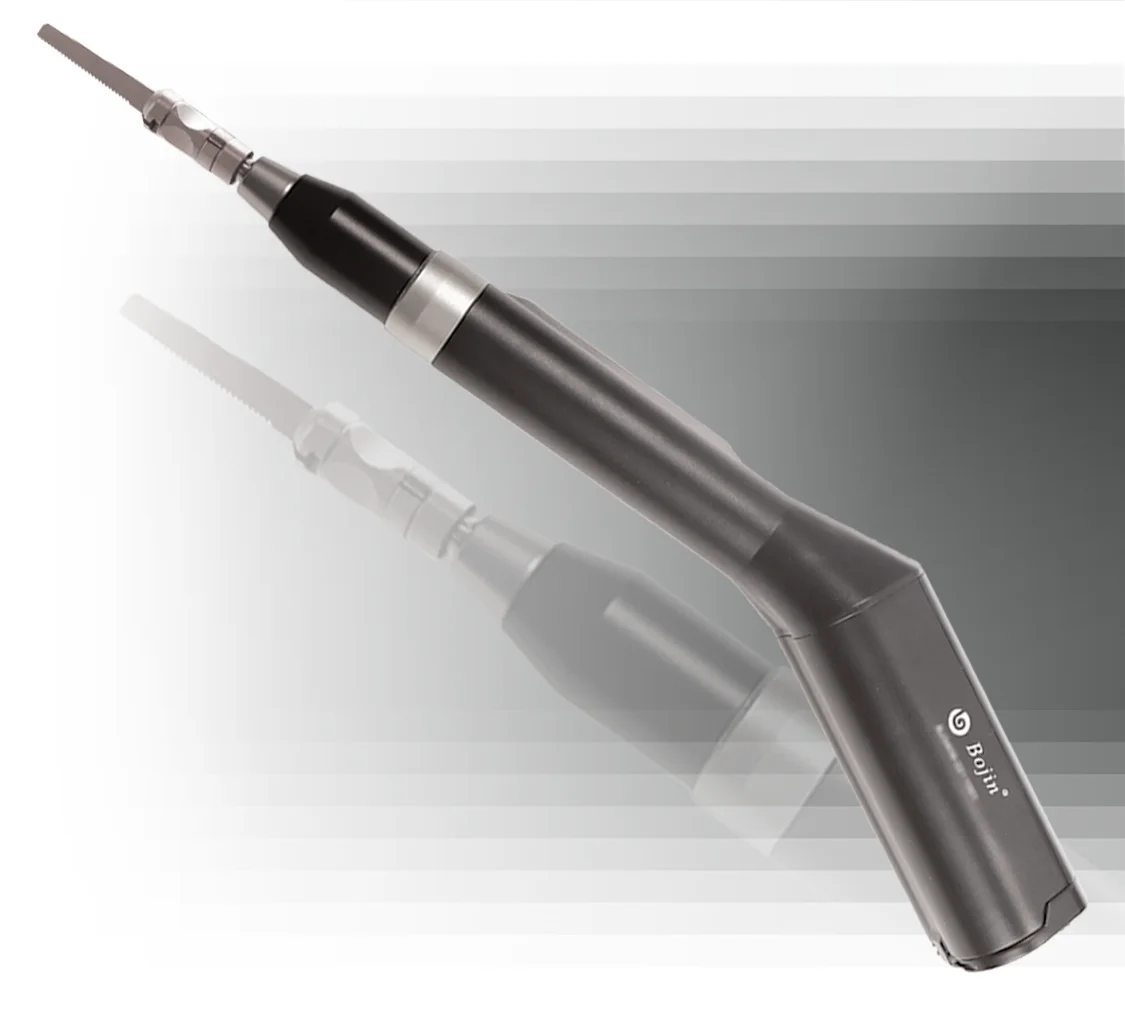
Minimally invasive surgery (MIS) has fundamentally altered the landscape of modern orthopedics, offering patients the significant benefits of faster recovery times, reduced postoperative pain, and smaller, more aesthetic incisions. However, these clinical advancements place immense pressure on surgical teams to maintain extreme precision within increasingly confined anatomical spaces. The choice of an orthopedic drill is rarely a matter of simple preference; it is a critical clinical decision that directly dictates the success of an intervention. A surgical drill specifically engineered for MIS must provide exceptional balance, instantaneous torque control, and absolute rotational stability. This allows surgeons to access targeted bone structures, such as the pedicles in spinal surgery or small joints in extremities, without causing collateral damage to surrounding soft tissue, nerves, or delicate vascular networks. Unlike traditional, larger-scale instrumentation, an optimized orthopedic drill allows for the delicate, millimetric maneuvers required in complex procedures, ensuring that every hole drilled is perfectly aligned with the preoperative plan and anatomical reality.
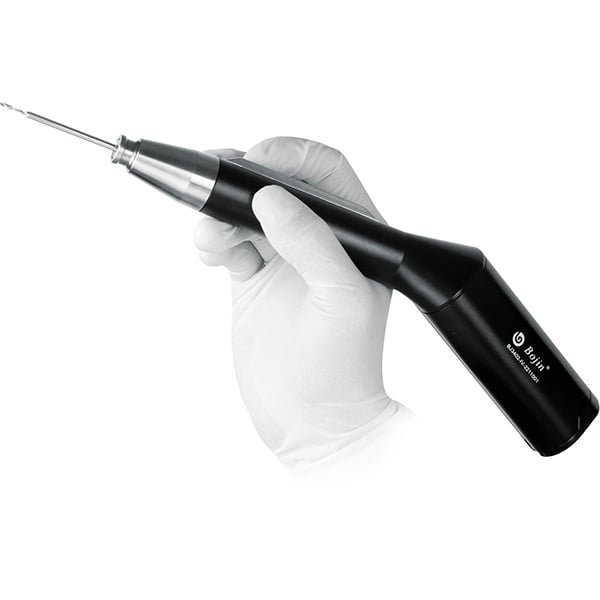
The core of a successful MIS procedure lies in the meticulous reduction of iatrogenic trauma. An effective orthopedic drill operates with minimal vibration and perfectly steady torque, preventing the dreaded "skiving" effect that can occur when a high-speed drill bit touches hard, curved bone surfaces at an oblique angle. Modern clinical observations underscore that uncontrolled thermal elevation is the primary cause of localized bone necrosis, which can significantly impede or delay the natural healing process and lead to poor implant integration. Consequently, a drill that integrates intelligent, high-efficiency cooling mechanisms and provides superior tactile feedback to the surgeon becomes an essential, non-negotiable ally in the operating room. Ergonomics play a vital role in this equation as well; a lightweight, perfectly balanced handpiece minimizes surgeon fatigue, enabling steadier, more confident hand movements throughout lengthy, high-stakes reconstructive procedures. By focusing on these human-centric, precision-based design elements, clinicians can ensure that the physical act of drilling is as predictable, safe, and controlled as possible, fostering better clinical outcomes across a wide, diverse spectrum of patient populations.
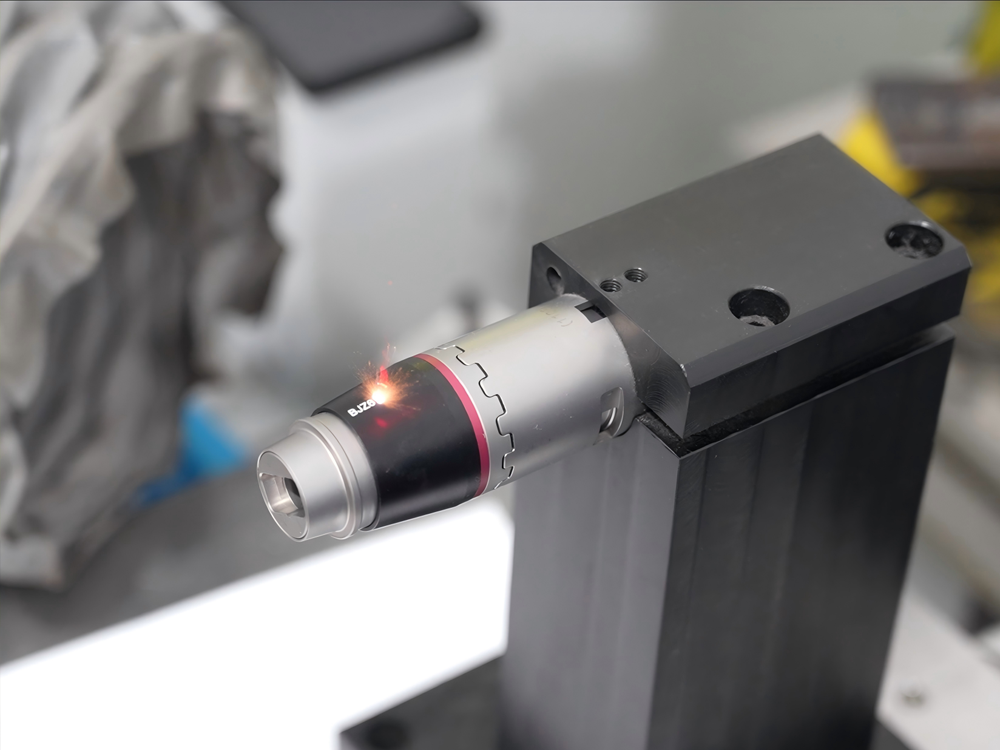
In the high-pressure, fast-paced environment of a modern operating theater, equipment failure is simply not an option. Clinical reliability is built on a foundation of rigorous material selection and uncompromising adherence to global manufacturing standards. Surgeons rely on drills that maintain consistent, fluid cutting performance from the initial skin incision to the final hardware fixation, regardless of the procedure's duration or the density of the bone being treated. The integration of high-grade, biocompatible surgical stainless steel, combined with advanced, precision CNC machining, ensures that every internal component—from the trigger sensitivity to the mechanical drill bit coupling—functions with absolute integrity. When surgical equipment is subjected to the harsh conditions of repeated high-pressure steam sterilization, it must retain its structural tolerances without warping, oxidizing, or degrading. This exceptional level of durability not only protects the patient by ensuring consistent, standardized performance but also provides the entire surgical team with the confidence needed to focus entirely on the delicate task at hand, rather than the mechanical behavior of their tools.
Beyond the immediate, high-performance capabilities of the surgical drill itself, the partnership between a healthcare facility and its primary equipment provider serves as a cornerstone of long-term operational efficiency. Bojin has established a comprehensive, professional framework that integrates highly advanced manufacturing capabilities with an intimate, deep-seated understanding of global clinical needs. This approach goes far beyond the mere selling of hardware; it involves providing a robust, reliable supply chain that ensures high-quality, state-of-the-art instrumentation is always available to meet the dynamic, often urgent demands of modern surgical units. By investing in proprietary manufacturing technologies that prioritize microscopic precision, long-term durability, and sophisticated ergonomic design, Bojin creates surgical tools that meet the rigorous, exacting standards expected by leading medical professionals worldwide. This steadfast commitment to quality and ongoing technical support ensures that hospitals can consistently maintain their high surgical standards, minimize costly equipment downtime, and ultimately dedicate more of their internal resources to patient-centered care. Choosing the right partner in the surgical tool supply chain is just as crucial as choosing the right surgical technique, as both contribute equally to the long-term success, safety, and reputation of the healthcare facility.
 Hot News
Copyright © 2025 by Shanghai Bojin Medical Instrument Co., Ltd. - Privacy policy

 EN
EN