×
×
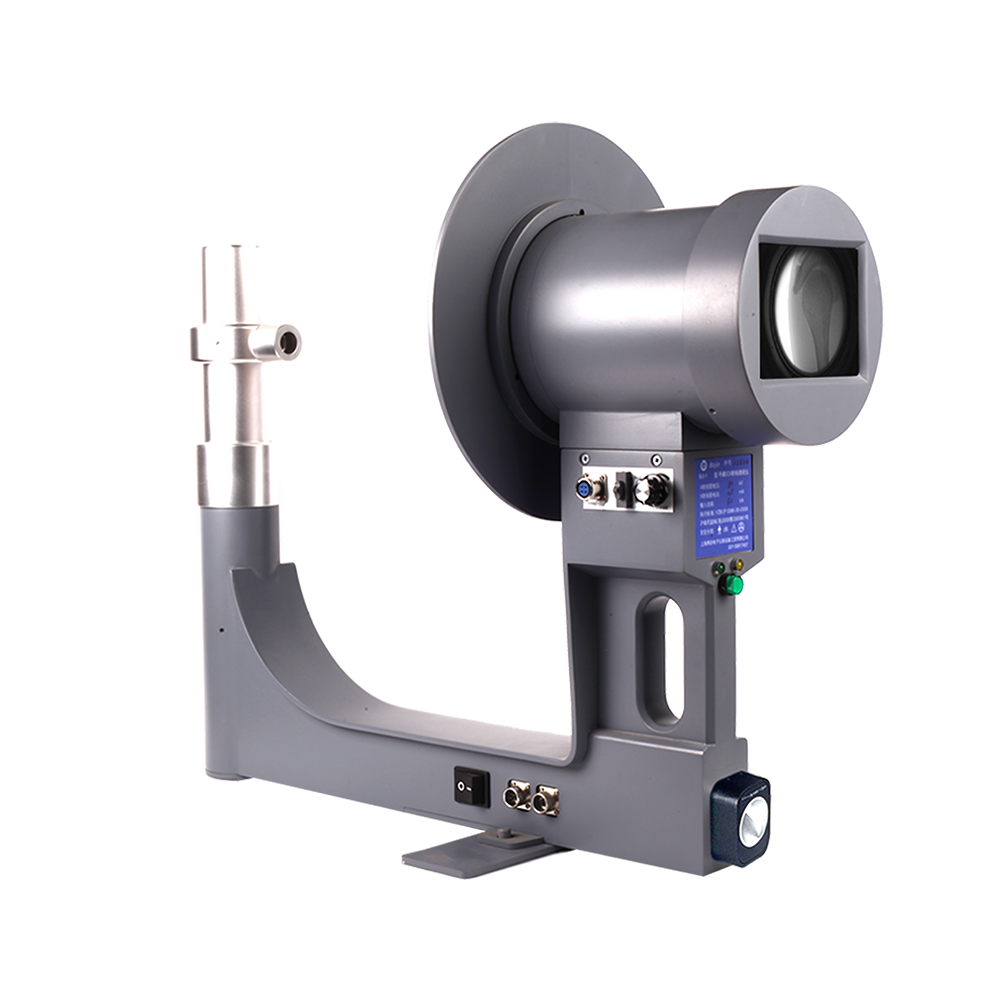
In the modern clinical environment, the ability to obtain high-quality radiographic images rapidly is often the difference between a successful intervention and a compromised patient outcome. Portable X-ray machines have revolutionized this process, acting as critical assets in emergency departments (ED) and intensive care units (ICU). Unlike fixed radiology suites, which require transporting fragile or unstable patients, portable units bring the diagnostic capability directly to the bedside. This is particularly vital in trauma cases or for patients on life support, where even the slightest movement can lead to hemodynamic instability. By reducing the time-to-diagnosis, clinicians can make informed decisions regarding ventilation, catheter placement, or fracture stabilization within minutes. The speed of digital image acquisition, combined with the mobility of these units, ensures that patient care is continuous and efficient, effectively turning any hospital room into a point-of-care diagnostic station.
One of the most profound benefits of portable X-ray technology lies in the compassionate treatment of patients with limited mobility. Postoperative patients, the elderly in nursing facilities, and individuals with severe orthopedic injuries often face immense discomfort when moved to a dedicated radiology department. The physical strain of transfer—frequently involving multiple staff members and complex transport equipment—not only risks further injury but also delays recovery. Portable imaging systems eliminate these hurdles by allowing exams to be performed in the patient's own recovery bed or room. This approach dramatically enhances patient satisfaction and reduces the risk of accidental falls or medical equipment displacement. From a clinical perspective, the ability to monitor healing progress without disrupting the patient's comfort is a major advantage that directly correlates with higher quality of care and improved hospital satisfaction ratings.
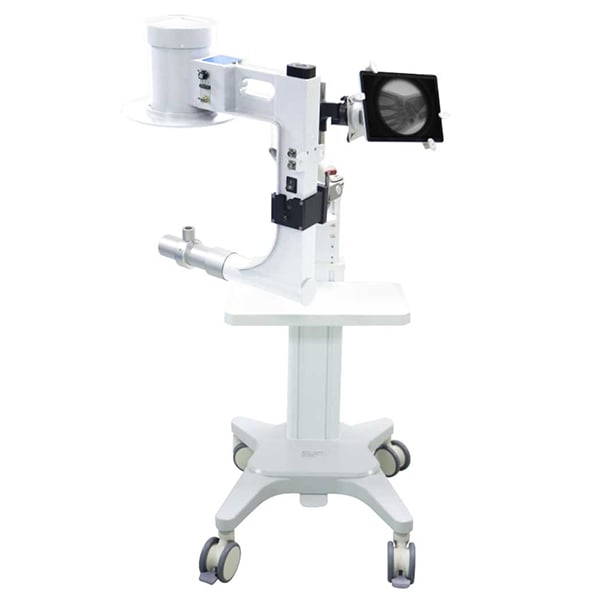
The evolution of portable X-ray systems is driven by continuous innovation in imaging hardware and software. Modern machines now utilize advanced flat-panel detectors (FPDs) that provide high-contrast, high-resolution digital images instantaneously. These systems are designed to operate with lower radiation doses while maintaining diagnostic-grade quality, addressing one of the most critical safety concerns in clinical practice: radiation protection for both patients and medical staff. Furthermore, software-enhanced image processing algorithms now allow for automated adjustment of exposure parameters, compensating for variations in patient density or soft tissue thickness. These technical improvements have effectively bridged the performance gap between bulky, fixed systems and portable units. Surgeons and radiologists now demand the same level of diagnostic confidence from mobile units as they do from stationary equipment, and current technological standards are meeting this expectation with remarkable consistency.
From an administrative and operational standpoint, investing in robust, portable X-ray technology is a strategic move that enhances hospital revenue and operational flow. Efficient diagnostic throughput is essential for managing a high volume of patients; by decentralizing imaging, hospitals can reduce congestion in the central radiology suite and shorten patient waiting times. Moreover, portable systems require a smaller footprint and are significantly more versatile, allowing a single machine to serve multiple departments, including orthopedics, surgery, and orthopedics-specialized wards. This adaptability ensures that capital expenditure is maximized through high machine utilization. When choosing these instruments, healthcare providers prioritize equipment that offers easy maintenance, seamless integration with existing Picture Archiving and Communication Systems (PACS), and long-term durability, ensuring that the facility remains operational with minimal downtime.
Successful integration of portable diagnostic equipment requires not only high-quality hardware but also a dependable manufacturing partner capable of meeting specific clinical requirements. Bojin has established a strong reputation in the medical device sector by focusing on the synthesis of precision engineering and clinical adaptability. As healthcare facilities face the challenge of scaling their diagnostic capacities, Bojin provides comprehensive support that encompasses the entire lifecycle of the equipment. This includes rigorous testing to meet international safety standards, customizable configurations to fit different hospital environments, and a responsive supply chain that ensures critical components are available when needed. By bridging the gap between sophisticated medical technology and practical daily use, Bojin plays an essential role in empowering hospitals to maintain high standards of patient care. Providing reliable, high-performance equipment that stands up to the rigors of a busy medical environment is a fundamental commitment, helping healthcare providers to navigate the complexities of modern diagnostic imaging with confidence and precision.
 Hot News
Copyright © 2025 by Shanghai Bojin Medical Instrument Co., Ltd. - Privacy policy

 EN
EN