×
×
In the high-stakes, rapidly evolving world of orthopedic surgery, few things are as critical as the reliability of the tools in the surgeon's hand. When performing a total hip arthroplasty (THA), the acetabular reamer shaft serves as the vital link between the power driver and the cutting head. It is not just a piece of hardware; it is an essential extension of the surgeon’s intent and clinical strategy. A reliable shaft ensures that the acetabular cup fits perfectly, which is the cornerstone of a successful joint replacement and long-term implant survivorship. If the connection wobbles, slips, or the alignment drifts even by a fraction of a millimeter, the entire procedure can be compromised. Surgeons need equipment that behaves predictably under intense load, cycle after cycle, regardless of the complexity of the case or the bone density they are working with. The reliability of this shaft is what gives a surgeon the confidence to achieve the perfect press-fit, ensuring stability and reducing the risks of aseptic loosening, which remains one of the primary concerns in modern orthopedics.
At the core of a truly reliable reamer shaft is the mastery of materials and advanced metallurgy. We often observe that entry-level or poorly manufactured instruments fail prematurely under the intense torque required for heavy-duty reaming. This failure is frequently due to metal fatigue or molecular-level stress fractures in the shaft material. Experienced orthopedic engineers understand that the shaft must balance high tensile strength with exceptional corrosion resistance and biocompatibility. Utilizing premium-grade medical stainless steel is the gold standard, but the real secret lies in the proprietary heat treatment and surface finishing processes. This rigorous process defines the structural integrity, preventing dangerous deformation when the shaft is subjected to the high rotational forces necessary for shaping the acetabular socket. When a tool maintains its precise shape, torsional stiffness, and overall geometry, it eliminates the dangerous risk of eccentric reaming. This creates a foundation where the surgeon has complete confidence in the integrity of the bone preparation, knowing the equipment will not fail at a critical moment.
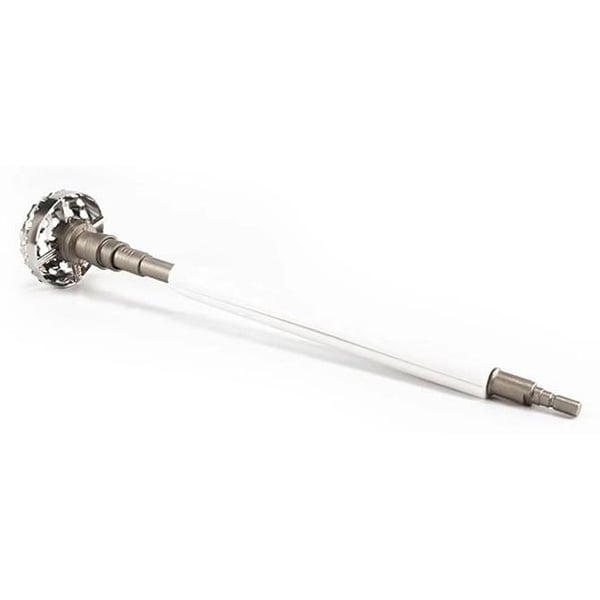
Anyone who has spent considerable time in the operating room knows that a "chattering" or vibrating reamer is a major frustration and a significant surgical hazard. This issue almost always traces back to a lack of dynamic stability in the shaft-to-head interface. A truly reliable shaft is engineered to dampen vibrations effectively, keeping the reamer head perfectly centered and controlled throughout the entire cutting process. In complex cases involving revision surgery, where the native bone quality may be severely compromised, sclerotic, or irregular, this dynamic stability is non-negotiable. Precision alignment prevents the reamer from "wandering" across the acetabular floor, which ensures that the perfectly hemispherical cavity is created exactly where it was planned during pre-operative imaging. This level of control and predictable behavior is exactly what separates standard, off-the-shelf surgical tools from high-performance, specialized instruments that expert surgeons can genuinely trust for every patient interaction.
While technical specifications are absolutely essential, the human factors or ergonomic element is frequently undervalued in tool design. Surgeons often perform several back-to-back procedures throughout a demanding day, and the weight, overall balance, and ergonomic grip of the reamer shaft play a significant role in minimizing hand and arm fatigue. A well-designed, high-performance shaft is intuitive to connect and disconnect, facilitating a smooth, seamless workflow that keeps the surgery on schedule. When the interface is smooth and reliable, the surgical team can maintain their focus on the patient’s anatomy rather than struggling with equipment. This user-centric approach is not just about operator comfort; it is about surgical performance. A properly balanced shaft allows for a high degree of tactile feedback, which is crucial for the surgeon to "feel" the density of the bone contact. This sensory connection allows for the subtle, reflexive adjustments that result in the perfect preparation for the implant.
True reliability is not just about the final product; it is about the unwavering consistency of the entire manufacturing process. Industry leaders like Bojin have set themselves apart by integrating strict quality control measures that align perfectly with international regulatory standards, such as ISO13485 and rigorous FDA requirements. A robust, transparent supply chain ensures that every single shaft that leaves the production floor meets the exact same high tolerances and quality expectations. This commitment to transparency and clinical-grade quality provides the necessary peace of mind that top-tier healthcare institutions and specialized surgical teams require. By prioritizing aggressive testing, continuous design improvement, and a deep understanding of clinical needs, manufacturers like Bojin ensure that the surgical technology powering the procedure is just as reliable as the surgical technique being performed.
In the final analysis, the reliability of a reamer shaft directly correlates with the long-term success of the patient's hip implant. As orthopedic procedures become increasingly precise and less invasive, the global demand for high-performance, durable, and stable instrumentation will only continue to accelerate. It is an ongoing partnership between the surgeon’s unique clinical expertise and the manufacturer’s technical precision. For clinics and hospitals looking to elevate their surgical outcomes and optimize theater efficiency, investing in tools backed by proven manufacturing capabilities is a strategic decision that pays off in both surgical reliability and patient safety. With the right support and technological partnership from companies like Bojin, orthopedic surgical teams can focus on what matters most—delivering consistently life-changing results for every patient they treat, one successful procedure at a time.
 Hot News
Copyright © 2025 by Shanghai Bojin Medical Instrument Co., Ltd. - Privacy policy

 EN
EN