×
×
Selecting the appropriate medical bone saw for modern clinical operations requires a deep understanding of specific procedural requirements across diverse medical fields. Orthopedic procedures, neurosurgery, and maxillofacial interventions all place distinct mechanical demands on cutting devices. When surgeons perform total knee arthroplasty or complex trauma reconstruction, the precision of the medical bone saw directly influences osteotomy accuracy, alignment precision, and overall recovery times. Historical clinical data indicates that deviations as small as two degrees in bone resection can affect implant longevity and patient mobility. Therefore, identifying the exact operational environment dictates whether a sagittal, reciprocating, or oscillating medical bone saw serves as the optimal choice. Different procedures involve varying bone hardness, spatial constraints, and soft tissue proximity. For instance, high-speed cutting in spinal surgery demands extreme miniaturization and vibration control, whereas heavy trauma cases require robust torque and high-frequency oscillation. Clinical teams evaluate torque output, battery longevity, and handpiece weight before committing to a specific medical bone saw model for daily hospital operations. Furthermore, standardizing equipment across surgical suites reduces procedural delays and enhances team familiarity during high-pressure emergency interventions.
The performance of any medical bone saw depends heavily on the compatibility between the handpiece, the surgical blade, and the targeted bone structure. Cortical bone requires high-density teeth geometry and exceptional mechanical torque, while cancellous bone allows for faster, lower-resistance cutting actions. Operating rooms frequently utilize specialized medical bone saw blades coated with titanium nitride to reduce thermal necrosis during continuous bone contact. Excessive heat generation during osteotomy can damage surrounding osteocytes and compromise bone healing, making cooling mechanisms and blade sharpness critical variables. Statistical analyses from orthopedic research institutions show that precise blade thickness selection minimizes bone loss and prevents micro-fractures along the osteotomy line. Surgical teams must match the oscillation frequency of the medical bone saw with the tooth pitch of the blade to optimize cutting speed and minimize chatter. In spinal procedures, specialized narrow blades prevent accidental dural sac tears, while wider sagittal blades provide planar accuracy during femoral and tibial cuts in joint replacement. Regular inspection of blade coupling mechanisms ensures that power transfer remains consistent throughout long surgical procedures, preventing slippage or unexpected stall conditions under heavy load.

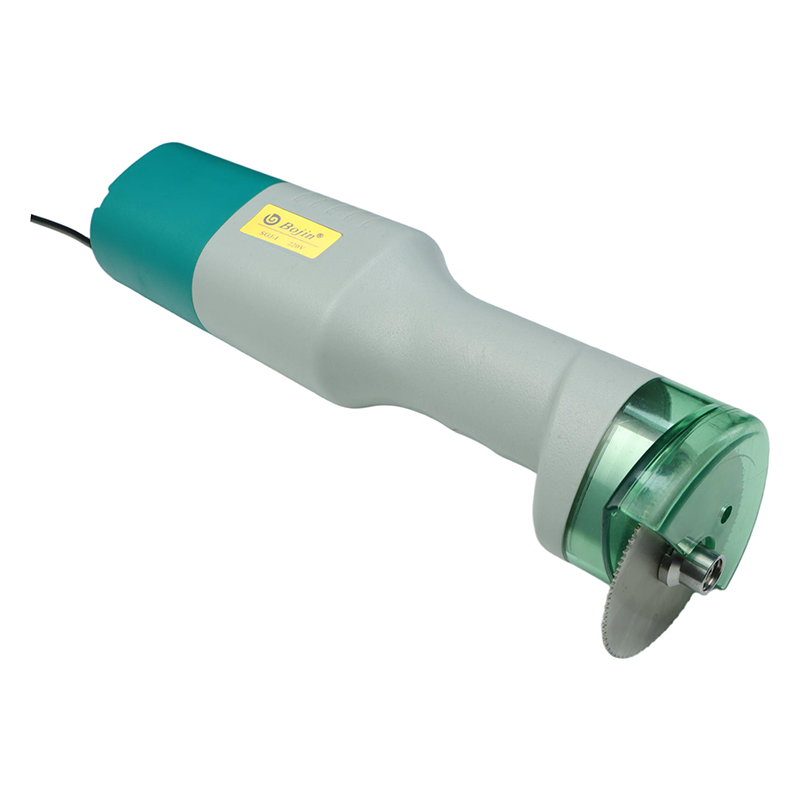
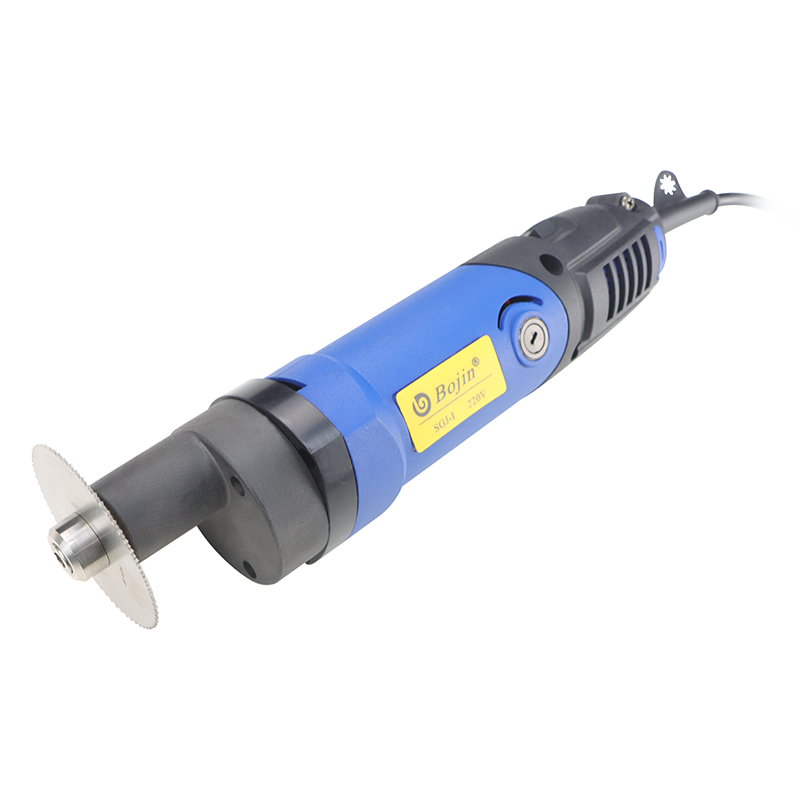
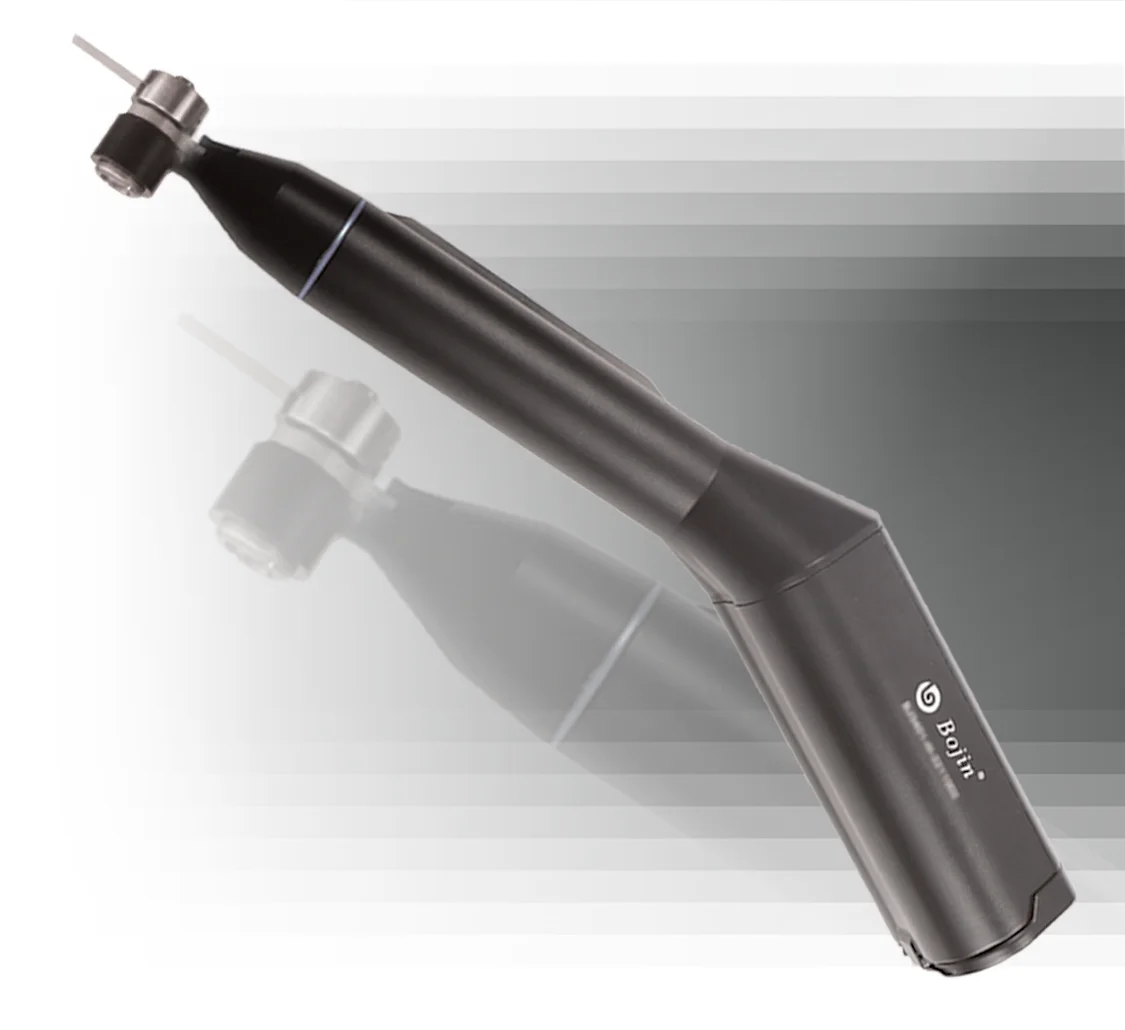
Surgeon fatigue remains a critical factor in complex multi-hour procedures, making the ergonomic design of a medical bone saw a paramount consideration for hospital procurement managers. Modern medical bone saw designs incorporate balanced weight distribution, textured non-slip grips, and low-vibration motors to reduce hand strain during delicate procedures. Enhanced tactile feedback allows operators to sense bone density changes in real-time, adjusting pressure intuitively without visual obstruction from the surgical site. Clinical evaluations demonstrate that lightweight, cordless medical bone saw units improve maneuverability in confined surgical corridors, such as during calcaneal fracture repair or spinal decompression. Cable-free operation also eliminates cord entanglement hazards in busy operating rooms, streamlining staff movement and setup efficiency. Noise reduction engineering further benefits the operating theater environment, as high-decibel surgical tools contribute to acoustic fatigue among clinical personnel over long shifts. Advanced brushless motors integrated into contemporary medical bone saw models deliver consistent power output while maintaining a compact profile, ensuring that spatial clearance around the patient remains optimal during intricate arthroscopic or open reduction procedures.
Infection control and equipment longevity dictate the lifecycle value of any medical bone saw deployed in modern sterile processing departments. Because these surgical instruments undergo repeated high-temperature steam sterilization cycles, the materials used in housing and internal gearing must resist corrosion and thermal degradation. Medical-grade stainless steel and aerospace-grade aluminum alloys form the structural foundation of a reliable medical bone saw, protecting delicate electronic components and brushless motors from moisture ingress. Strict adherence to autoclave guidelines ensures that biological residues and prions are completely eliminated between operations. Facility management data reveals that modular medical bone saw designs featuring removable battery housings and sealed drive shafts experience significantly lower maintenance costs over a five-year operational span. Preventative maintenance protocols, including routine seal replacements and calibration checks, prevent unexpected equipment failures mid-procedure. Hospitals also look for diagnostic indicators on the medical bone saw battery or handpiece that alert biomedical engineering staff to impending component wear before clinical deployment, ensuring uncompromised patient safety and uninterrupted surgical schedules across all hospital departments.
Delivering reliable surgical outcomes requires rigorous engineering standards and strict quality assurance throughout the manufacturing lifecycle of every medical bone saw. Healthcare facilities worldwide increasingly demand cost-effective yet high-performance alternatives to traditional legacy brands, driving manufacturers to innovate in precision machining and supply chain efficiency. Bojin addresses these evolving clinical requirements by integrating advanced CNC manufacturing, stringent raw material selection, and comprehensive pre-shipment testing for every medical bone saw produced. Collaborative partnerships with clinical experts allow Bojin to refine gear ratios, optimize battery management systems, and implement ergonomic feedback directly into production lines. By maintaining a robust global supply chain and strict compliance with international medical device standards, Bojin ensures that hospitals receive dependable, durable, and precise surgical tools tailored to modern orthopedic demands. Comprehensive warranty support and responsive technical service further reinforce institutional confidence, establishing Bojin as a trusted partner in advancing global surgical capabilities and patient care standards.
 Hot News
Copyright © 2025 by Shanghai Bojin Medical Instrument Co., Ltd. - Privacy policy

 EN
EN