×
×
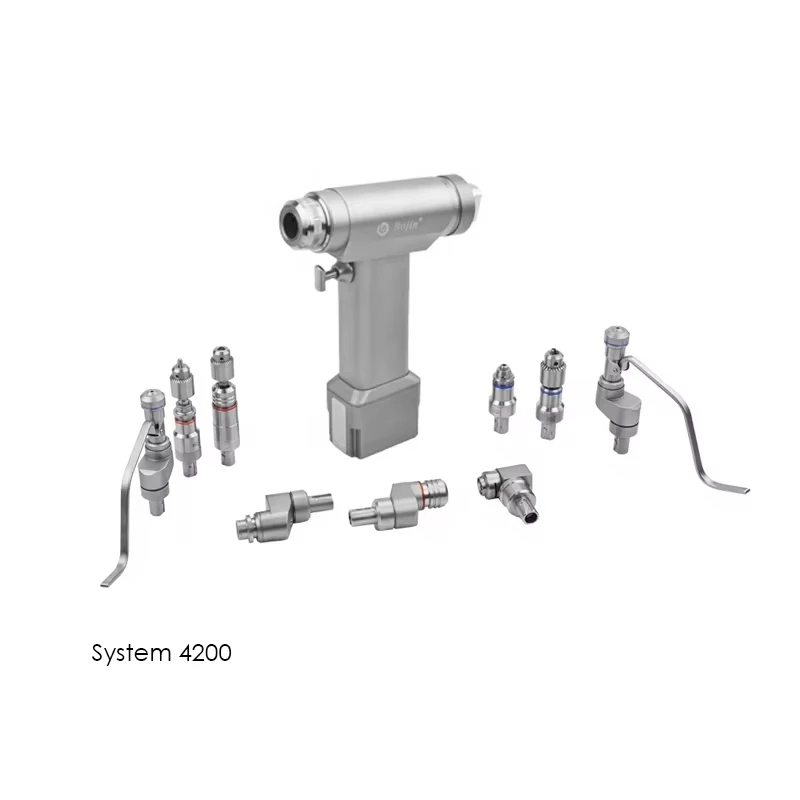
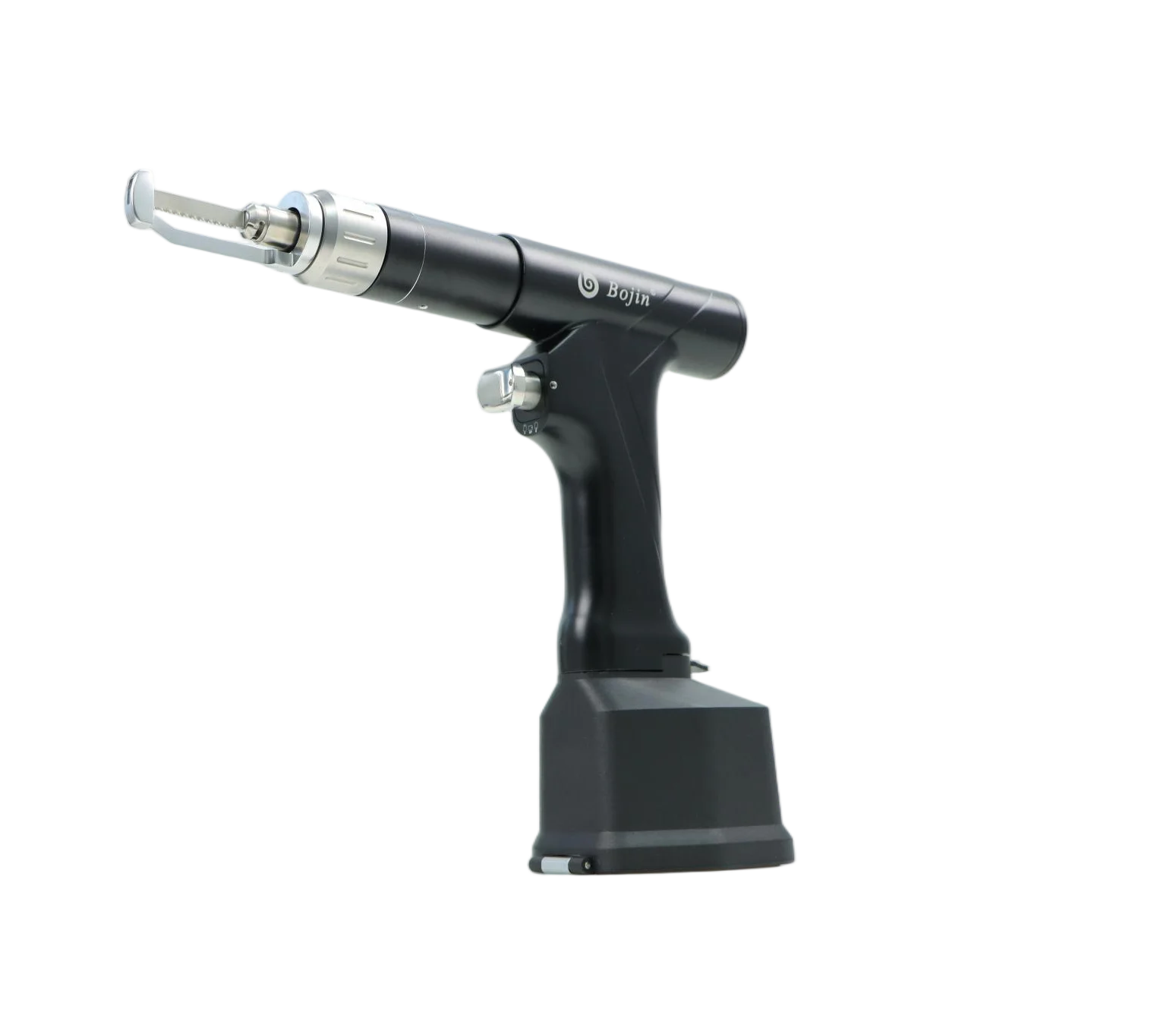
Orthopedic procedures demand absolute precision, where every millimeter dictates the boundary between successful patient recovery and surgical complications. At the core of procedures like total knee arthroplasty or hip replacement lies the high-performance orthopedic saw blade, a specialized instrument engineered to slice through dense cortical and cancellous bone with microscopic accuracy. During complex osteotomies, the surgeon relies heavily on the tactile feedback and stable trajectory provided by a sharp orthopedic saw blade. When bone cuts deviate even slightly from the preoperative plan, implant alignment suffers, leading to uneven load distribution, premature wear of prosthetic components, and potential revision surgeries. Maintaining optimal cutting performance requires understanding that these instruments undergo severe mechanical stress, thermal friction, and structural fatigue during standard operations. Surgeons operating in high-demand hospital environments frequently evaluate the structural integrity of their power tool accessories before every procedure. The transition from a pristine cutting edge to a worn surface happens gradually, making routine inspection and timely replacement protocols a fundamental pillar of modern orthopedic surgery. Highlighting the mechanical behavior of bone tissue reveals why cutting efficiency remains tightly linked to instrument sharpness, as dull instruments tend to bind, slip, or generate excessive micro-fractures along the osteotomy plane, ultimately compromising the interface between living bone and the artificial implant.
One of the most critical safety concerns in bone resection is the prevention of thermal osteonecrosis, a pathological condition where localized frictional heat destroys surrounding bone cells. When an orthopedic saw blade loses its edge, the physical mechanism of cutting shifts from a clean shearing action to a blunt crushing and rubbing process. This transition drastically increases friction between the blade teeth and the bone matrix, pushing local temperatures well past the critical threshold of forty-seven degrees Celsius, which is the point where protein denaturation and irreversible bone cell death occur. Dead bone tissue fails to integrate properly with prosthetic implants, leading directly to aseptic loosening, chronic post-operative pain, and prolonged rehabilitation cycles. Operating rooms combat this risk by establishing strict protocols for replacing an orthopedic saw blade after a specific number of cuts or when visible wear appears on the tungsten carbide tips or teeth geometry. Advanced surgical teams monitor irrigation flow rates alongside tool conditions, recognizing that even optimal cooling systems cannot compensate for the excessive heat generated by a blunt orthopedic saw blade. Ensuring that every cut remains crisp and thermally neutral safeguards the biological viability of the host bone, promoting rapid osseointegration and stable, long-term fixation for joint replacement patients globally.
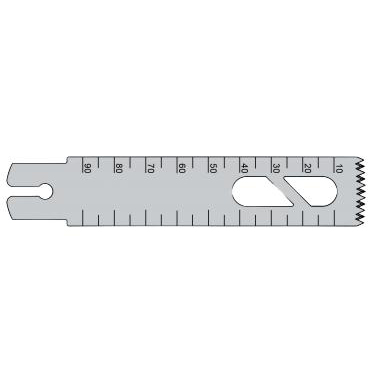
Surgical workflow efficiency in contemporary hospital settings directly impacts patient outcomes, anesthesia duration, and overall healthcare economics. Using a worn orthopedic saw blade introduces unpredictable resistance, forcing surgeons to apply excessive manual pressure or halt procedures to clear debris and check instrument tracking. These micro-delays accumulate throughout a complex multi-stage osteotomy, extending overall operating room turnover times and increasing patient exposure risks. Conversely, a fresh orthopedic saw blade slices through dense anatomical structures smoothly, maintaining predictable cutting speeds and reducing mechanical vibration that can fatigue the surgical team over long procedures. Documented clinical observations from major orthopedic centers indicate that proactive instrument management decreases intraoperative friction events by a significant margin. When operating room staff coordinate closely with centralized sterile processing departments to ensure a seamless supply of sterile, high-grade orthopedic saw blade options, surgical teams experience uninterrupted focus and enhanced procedural rhythm. This operational fluency not longer serves as a mere convenience; it stands as a proven methodology for minimizing surgical trauma, reducing blood loss, and optimizing overall theater productivity in high-volume orthopedic clinics worldwide.
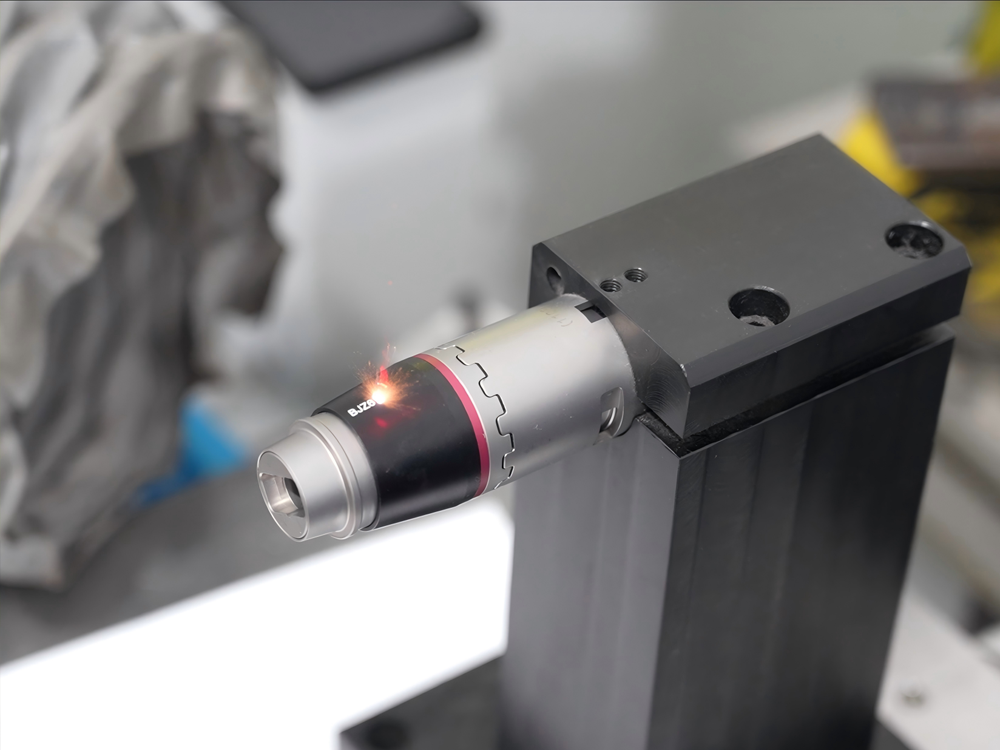
The structural reliability of any surgical cutting accessory depends fundamentally on metallurgy, precision grinding, and strict quality control during manufacturing. Premium production lines utilize medical-grade stainless steel alloys, specialized surface treatments, and advanced tooth geometry designs to maximize wear resistance and minimize chatter. Each orthopedic saw blade manufactured under rigorous international standards undergoes multiple phases of laser welding, thermal hardening, and microscopic inspection to ensure uniform tooth set and straightness. For instance, manufacturers specializing in orthopedic components integrate proprietary coatings that reduce friction coefficients and enhance chip evacuation during high-frequency oscillation. Facilities like Bojin leverage advanced CNC grinding centers and automated quality assurance systems to produce an orthopedic saw blade that meets the demanding tolerances required by orthopedic surgeons across diverse international markets. Supply chain transparency and material traceability are crucial components that allow procurement specialists to verify that every batch of instruments complies with ISO and FDA regulatory frameworks. Investing in superior metallurgy ultimately translates to predictable clinical performance, ensuring that the orthopedic saw blade performs consistently from the first incision to the final bone preparation step.
Navigating the global medical device market requires balancing uncompromising clinical quality with sustainable hospital budgeting and dependable inventory logistics. Healthcare administrators and medical distributors continuously seek manufacturing partners who can guarantee steady bulk supplies of surgical accessories without compromising on performance or safety certifications. Establishing direct partnerships with established producers ensures that hospitals maintain adequate stock levels of every required orthopedic saw blade specification, preventing costly surgical delays caused by stockouts or supply chain bottlenecks. Beyond mere volume delivery, sophisticated manufacturing partners offer custom packaging, OEM customization, and comprehensive regulatory documentation that simplifies import clearance and hospital accreditation processes. By integrating lean manufacturing principles and scalable production capacities, global suppliers streamline the journey of each orthopedic saw blade from raw material sourcing to the sterile core of the hospital. This robust supply chain architecture empowers medical institutions to optimize procurement expenditures while providing surgical teams with reliable, high-performance tools that elevate patient care standards across international healthcare systems.
 Hot News
Copyright © 2025 by Shanghai Bojin Medical Instrument Co., Ltd. - Privacy policy

 EN
EN