×
×
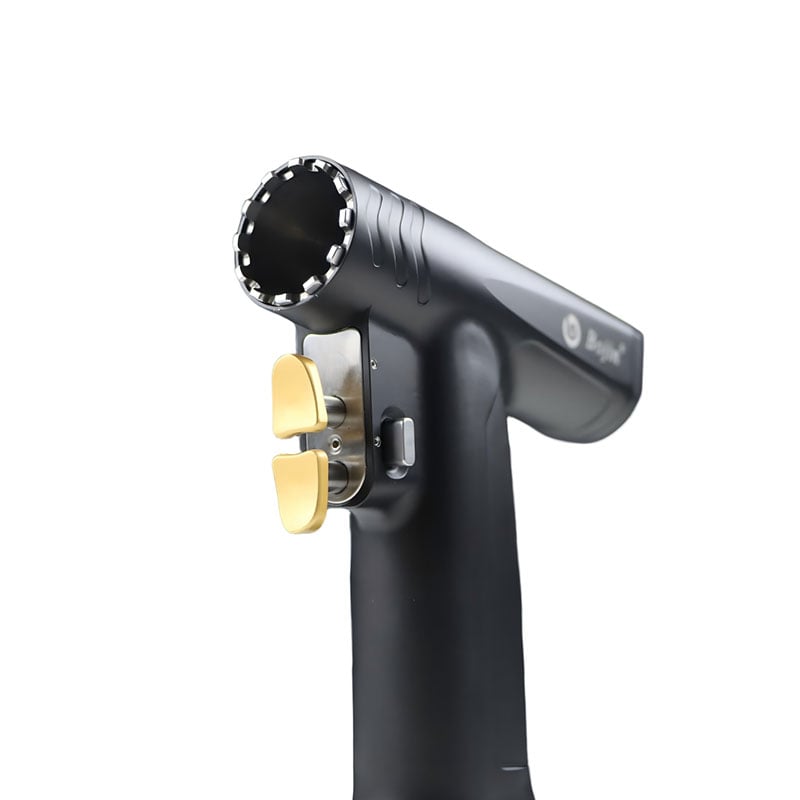
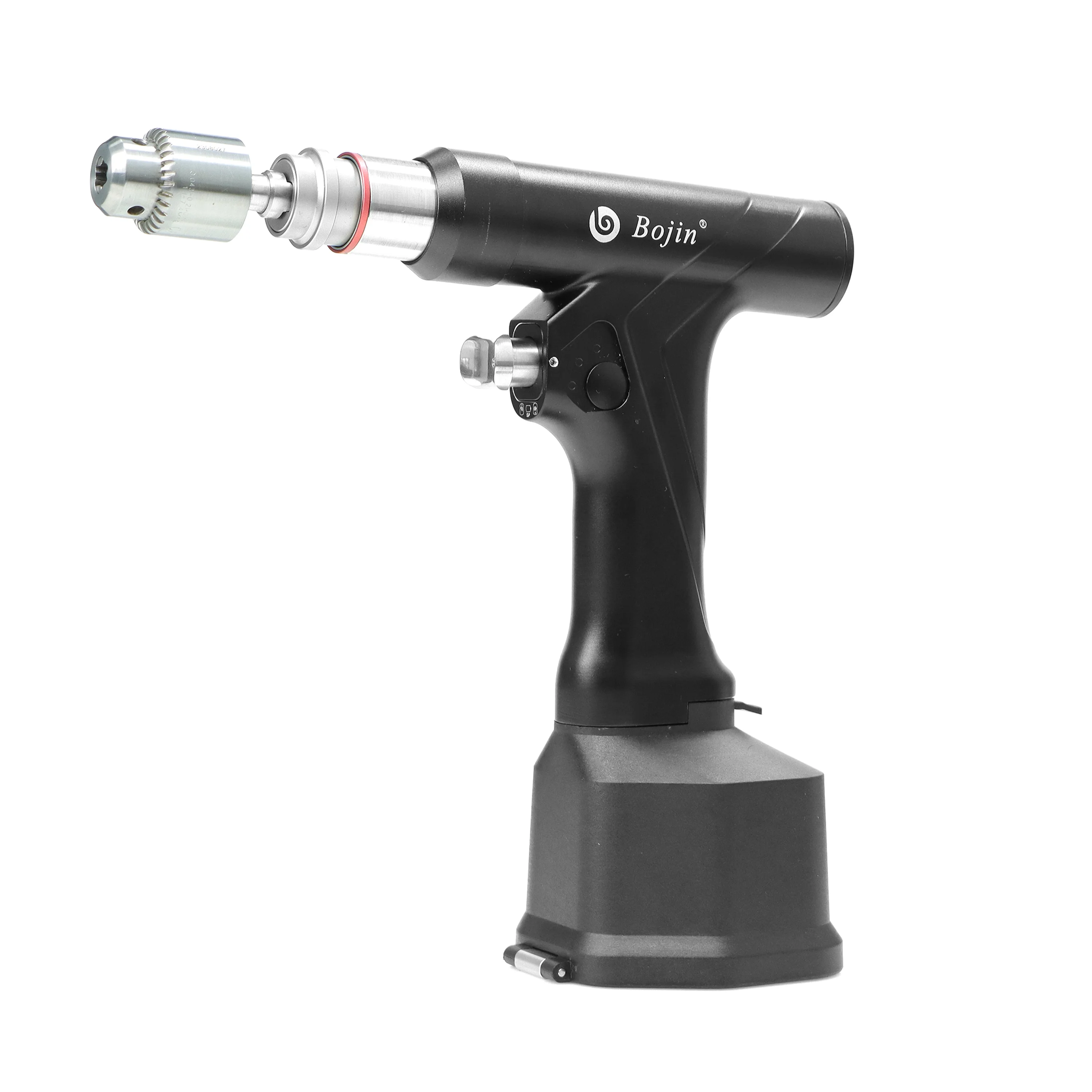
Used in most areas of surgery, power drills have become an integral part of most surgical instruments. While there are multiple examples of tools with unique functions, few can measure up to the versatile nature of the surgical power drill. With the precision of a few millimeters, they can help ensure the successful completion of a procedure without damage to surrounding tissues. Considering the success of the joint and fracture case repairs, the successful completion of a spinal surgery, and the countless other drills used to establish an accurate channel in a bone for the successful advancement of an implant, the value of drilling cannot be underestimated. Precise and correct actions through the surgical field are overshadowed by the reduction of uncontrolled, physician-caused damage to bones. When surgical teams have the confidence to make drill-guided actions with the precision and control needed to operate in the smallest surgical fields, the completion of the procedure becomes the only goal beyond the safety of the patient.
One of the critical elements that make a surgical power drill indispensable in a surgical procedure is its ergonomic design, which, in turn, enhances the efficiency of a clinical operation. With a lightweight body and a design for easy and effective gripping, a power drill is a great aid for surgeons in their long, tedious, and physically demanding surgeries. With its ergonomic design, a power drill is a great hand fatigue reliever. Clinical studies of over 20,000 institutions show that ergonomic power drills reduce average surgery time by 30%. This not only mitigates the patient’s exposure to anesthesia and surgical trauma, but also enhances the throughput capacity of a facility by increasing the number of surgeries that the facility is able to perform annually. An additional benefit of an ergonomic power drill is that it has a quick-change drill bit that reduces the time of surgery setup, allowing the surgeon to concentrate on the surgical task and increasing the efficiency of the surgery.
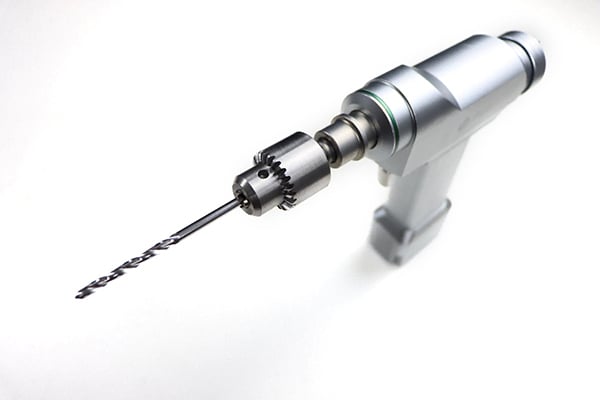
An integral part of the surgical power drill’s usability is international and safety certifications. Compliance demonstrates the safety of the power drill in clinical use. To be certified, surgical power drills must meet FDA, CE and ISO certifications. these certifications analyze a broad spectrum of a product, including the chemical and biological compatibility of the materials used in the construction of the drill, their sterilization, and electrical safety. Instruments must be designed for high temperatures and high pressures to be safe for use in surgeries. Instruments must also be designed for safety so that their use and performance are comparable to other internationally accepted devices and their use poses no risk to the surgeon or patient. In compliance with these principles, surgical drills are designed to include overload protection so that the drill will shut off to prevent unnecessary damage to the bone if the drill is stuck.
The surgical power drill ensures surgical quality and provides substantial cost efficiency for medical institutions over time. This tool's precision and safety lower the occurrence of surgical complications like postoperative infections and loosening of implants. This also lowers the patient reoperation rate, as well as the hospital's costs for follow-up treatments. Studies show that medical institutions that use high-quality power drills have, on average, a 25% lower total cost for the treatment of orthopedic surgeries compared to those that use standard, traditional tools. Moreover, the durable design of core components reduces the need for replacement in the drill, giving it a longer service life. The core design of the drill promotes efficiency and reduces the need for hospitals to purchase multiple, specialized surgical instruments. This design also improves the overall-operational efficiency of the hospital and optimizes the use of medical instruments.
The surgical power drill's great versatility and adaptability allow it to become an essential multi-functional tool across various surgical specialties beyond orthopedics. In neurosurgery and craniofacial reconstructive surgery, the small drill bits of the power drill allow cutting and drilling of bone tissue while preserving delicate nerve tissue. In minimally invasive tooth extraction surgery, the power drill’s high-speed rotation feature helps separate the tooth root from the alveolar bone, thereby minimizing surgical trauma. Replaceable drill bits of various sizes and functions enable the power drill to address a wide range of surgical needs from the repair of large bone fractures to the shaping of micro bone tissue. Such versatility enriches the surgical toolkit of practitioners and offers more adaptive and effective surgical approaches for the treatment of various conditions, thereby underscoring the importance of surgical power drill and modern surgery.
The development of modern clinical surgery and continuous technological advancement of surgical power drills go hand in hand and significantly contribute to the development of minimally invasive orthopedic surgery. The integration of cooling systems in surgical power drills means that the adverse effects of high-speed rotation have less effect on the bone tissue that is being drilled and optimally enhances the bone tissue activity and the healing process of the bone post surgery. When surgical power drills are integrated with i) intelligent navigation systems, and ii) real-time visual monitoring systems of the drill, the surgical process becomes more precise and less dependent on the surgeon's skill and experience. The iterative upgrade of surgical power drill technology such as the development of battery-powered wireless drills, even more enhances the versatility of surgical procedures, and also aligns with the modern mobile medical care's evolving demands. Power drill technology also contributes to the continuous evolution of surgical methods to become more precise, minimally invasive and safer.
 Hot News
Copyright © 2025 by Shanghai Bojin Medical Instrument Co., Ltd. - Privacy policy

 EN
EN