×
×
The bone tissue in different body parts have different levels of density and hardness. This fact heavily influences the orthopedic saw blades that can be used. In the case of surgeries involving the tough cortical bone for example the replacement of the femoral head or fixation of the tibial fractures. Alloy saw blades that have a hardness of HRC 60-62 are the best options because such blades are resistant to wear so the blade will not be blunted during the cutting procedure and will cut bone with enough speed. In the case of surgeries involving the soft cancellous bone such as the operations of spinal intervertebral discs or repairs of the humeral head, saw blades made of titanium alloy will be the best options because they will that bone tissue be soft so as to not damage the surrounding soft bone tissue make the operation. The orthopedic surgeons in the best hospitals have been clinically proven that using the correct blade for the bone tissue type can reduce bone tissue damage during a surgery by 30% or more.
Bone density changes with age, and so does the material composition of saw blades used during pediatric orthopedic surgeries. For instance, when working on a child's still-developing bones, special care must be taken, and an ultra-soft alloy saw blade that minimizes vibration must be used to avoid detriment to the child's bone development.
Different orthopedic surgeries have different requirements when it comes to precision for the saw blades, and even the slightest mistake can lead to negative outcomes and complications for the patient. For example, in the case of joint replacements, which is a common orthopedic practice, saw blades are needed to have a cutting precision of about ±0.1mm. This is highly critical to aid in aligning the prosthesis to the bone and reducing the chances of the prosthesis becoming loose in the future. For plaster cutting surgeries, the precision requirements are the same, and the use of precision saw blades allows plaster removal to be performed in a patients safe manner, in 75% less time. Spinal surgeries are even more critical when it comes to precision as they involve cutting close the vital nerves and blood vessels. Therefore, the thinner the blades, the better as they can greatly help in keeping the patient free from nerve damage. Research from 20,000 different hospitals and clinics confirmed that more precise surgical blades lead to less time needed for the surgeries, less than 30% and also to lower levels of post-surgery complications, nerve damage, and bleeding.
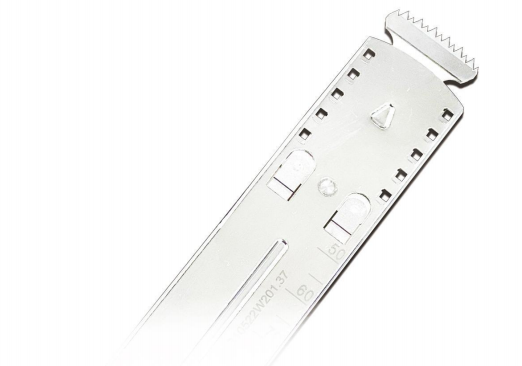
Orthopedic saw blades must have authority certification. It shows that the product is up to date with the applicable international medical device and clinical safety laws. Saw blades that have been tested and approved for ISO, CE, and FDA international certifications have passed numerous benchmark tests for safety and performance, including biocompatibility, sterilization, and cut stability. It is also mentioned in the national medical device classification directory that orthopedic saw blades for second class medical device surgeries, for example, spinal canal surgeries, must have a valid product registration certificate. Uncertified saw blades, in clinical practice, have been marked by many experts in the field to have inconsistent cutting, and potentially life threatening materials. The use of uncertified blades may also lead to increased infection and tissue damage during surgery. The use of saw blades with international safety standards assures the patient a reasonable and safe substitute during surgery.
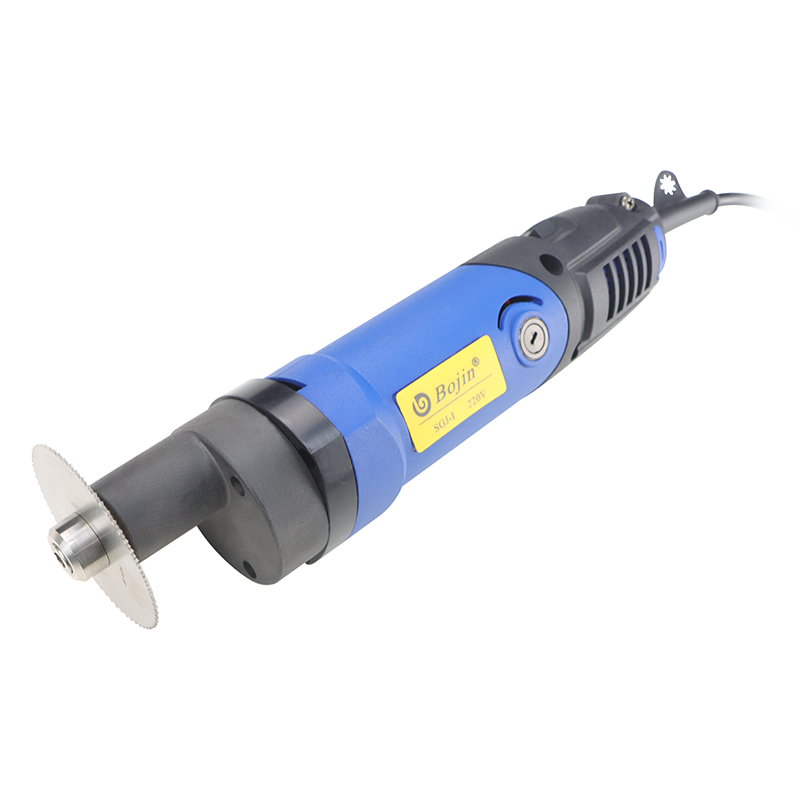
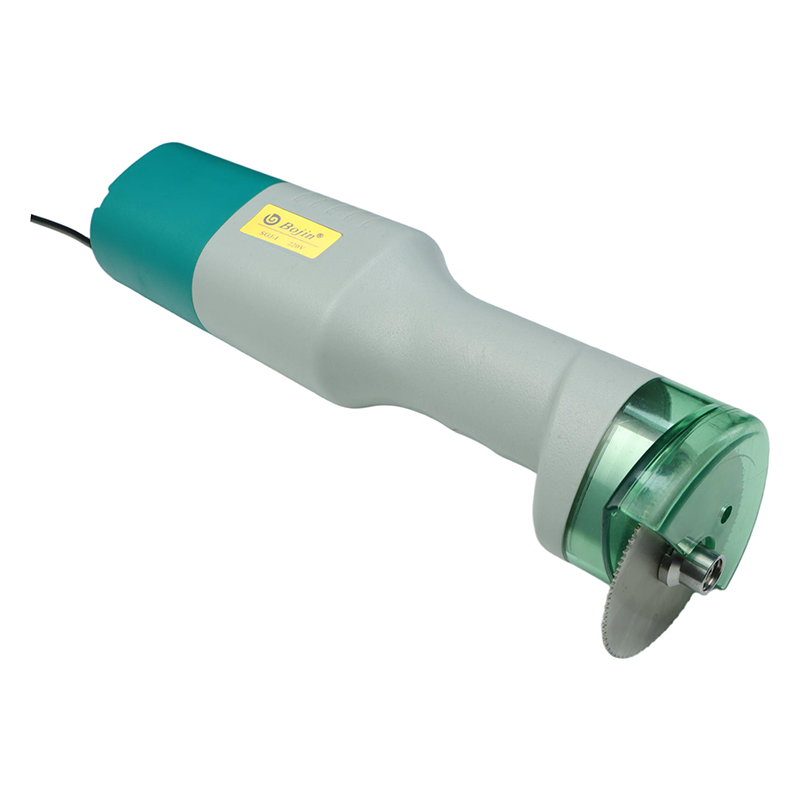
An appropriate choice of saw blade can enhance the clinical efficacy of orthopedic surgeries. This practice was developed empirically by surgeons conducting clinical trials over a long time. In orthopedic departments where surgeries are performed in large numbers, using appropriate saw blades for a particular type of surgery can minimize time losses from changing saw blades during surgery, as well as reduce the surgeon’s physical exhaustion from the use of inappropriate saw blades. For instance, in plaster-cutting surgeries, using a special saw blade with multi-plaster versatility can enable the completion of the surgery in a shorter time, while the ergonomically designed saw blade handle will reduce the hand fatigue of surgeons during the operation. Out of the over 2400 clinical deployers of the devices, from 120 countries, clinical feedback indicates that after the operating theatres started to use surgery type tailored saw blades, the number of surgeries performed each day increased by about 20% while the surgeons’ satisfaction with the surgical instruments improved tremendously.
The choice of orthopedic saw blades pertains not just to the safety and effectiveness of the surgery; it also carries a substantial long-term commercial value for the healthcare facility. Using quality saw blades that are designed to last a long time will reduce the number of saw blades that need to be replaced, thus controlling the consumable cost for the healthcare institution. High hardness alloy saw blades are designed to last a long time. They retain their sharpness even after multiple uses. When compared to regular saw blades, they can last up to 2.5 times longer, and thus, can greatly reduce the number of repeat purchases. Also, a good choice of saw blades can reduce case of postoperative complications, decrease the number of days the patient has to be hospitalized as well as the costs associated with the complications, and increase the productivity of the healthcare facility. Because of subsequently improved success rates, the reputation of the facility can also improve, therefore attracting more patients, and increasing the commercial benefit of the healthcare institution.Data collected from the partnership of leading orthopedic device manufacturers and more than 70% of top tier hospitals proves that the judicious choice of saw blades can reduce the total operating costs of medical institutions by approximately 15% and enhance the quality of surgery.
 Hot News
Copyright © 2025 by Shanghai Bojin Medical Instrument Co., Ltd. - Privacy policy

 EN
EN