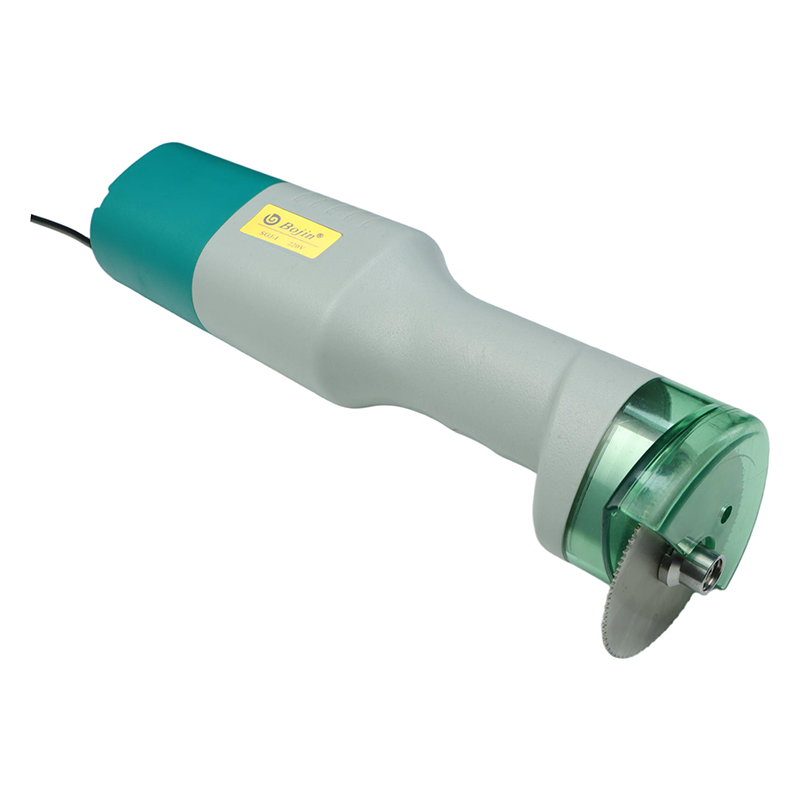
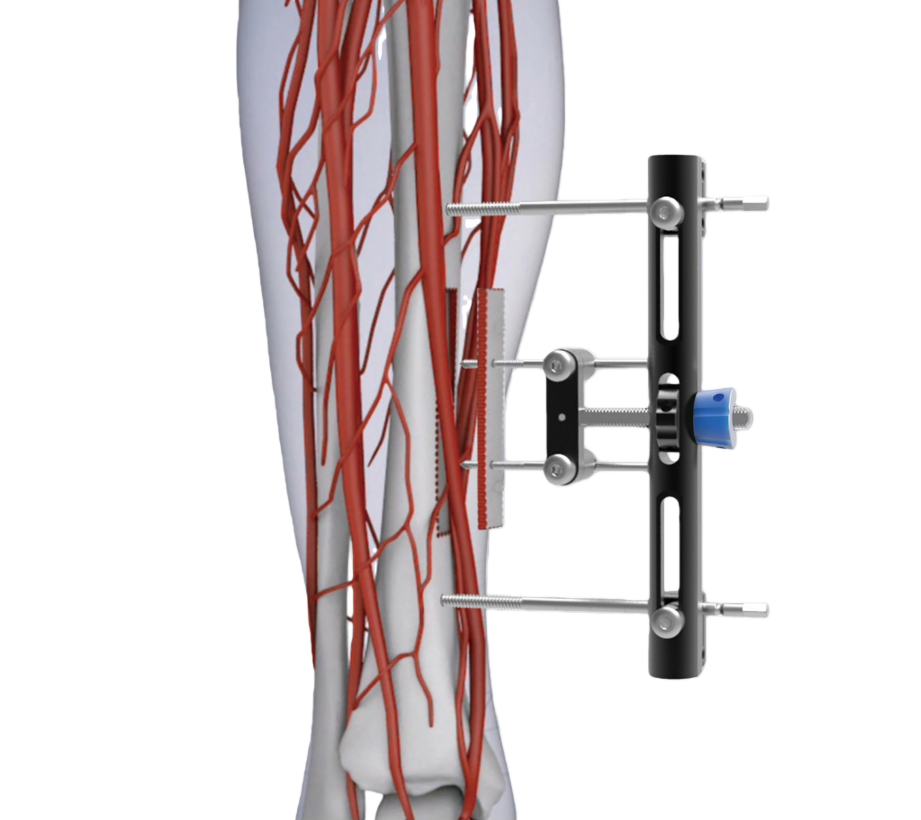
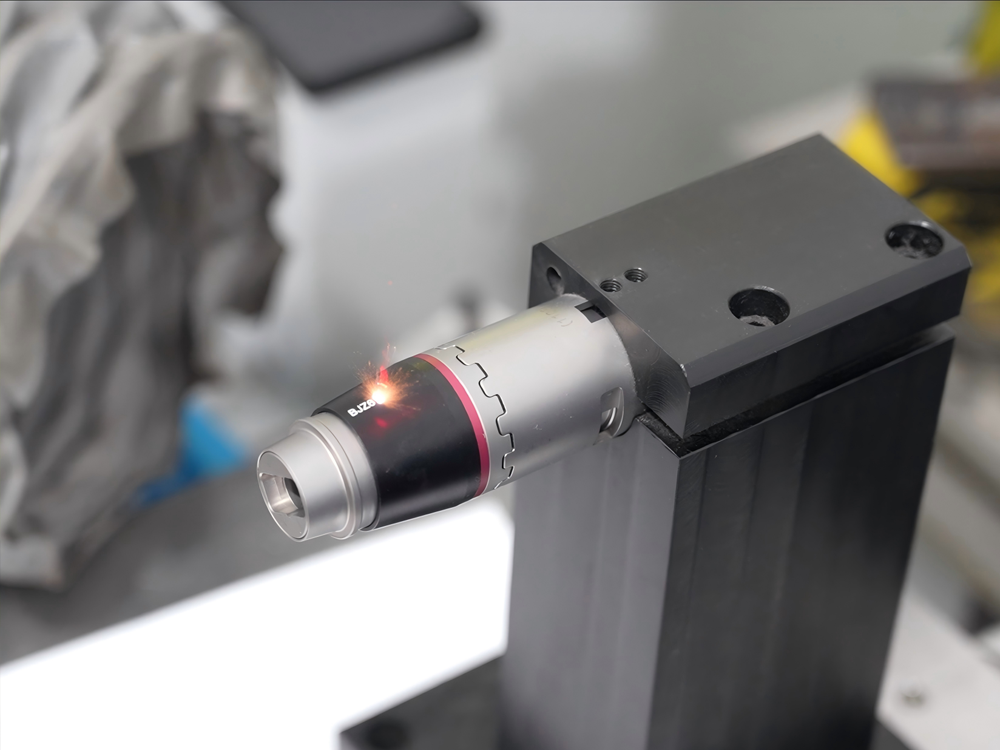
ခေတ်မှီ အရိုးပြားကုသမှု၏ စိတ်ဖိစီးမှုများသော နယ်ပယ်တွင် အရိုးဖြတ်ခြင်း၏ တိကျမှုသည် လူနာများ၏ အောင်မွေးရေး အကောင်အထောက်အကူဖြစ်မှုကို အဓိက ဆုံးဖြတ်ပေးသည့် အချက်ဖြစ်သည်။ အဖျော့စို့သော အရိုးကျိုးခြင်းမှ စတင်၍ အရှုပ်ထွေးသော အစိတ်အပိုင်းများစွာ ကျိုးနေသော အရိုးကျိုးခြင်းအထိ အဖျော့စို့သော အရိုးဖြတ်ခြင်း၊ တိကျသော အရိုးဖြတ်ခြင်းနှင့် ထပ်ခါထပ်ခါ အတူတူပဲ ဖြတ်နိုင်သော အရိုးဖြတ်ခြင်းတို့ကို ပြုလုပ်နိုင်ခြင်းသည် အလွန်အရေးကြီးပါသည်။ ခေတ်မှီ ဆေးဘက်ဆိုင်ရာ အရိုးဖြတ်စက်များသည် ရိုးရိုးသော ဖြတ်စက်များမှ စတင်၍ အလွန်အဆင်ပေးသော အသုံးပြုမှုရှိသော အထူးကျွမ်းကျင်သော အော်ပရေရှင်အရိုးပြုပြင်မှု ကိရိယာများအဖြစ် ဖွံ့ဖြိုးတိုးတက်လာခဲ့ပါသည်။ ထိုကိရိယာများသည် အလွန်မြန်ဆန်ပါသည်၊ တည်ငြိမ်မှုရှိပါသည်နှင့် အရိုးပြုပြင်မှုကို တိကျသော ဇီဝကြွင်းအတိုင်းအတာဖြင့် ပြုလုပ်နိုင်ပါသည်။ ဆေးကုသမှုဆိုင်ရာ ရည်မှန်းချက်များသည် အရိုးကျိုးခြင်းအစိတ်အပိုင်းများနှင့် ရွေးချယ်ထားသော အရိုးကို ချောမွေ့စွာ ထိစပ်နေစေရန် အမြဲတမ်း သေချာစေရန်ဖြစ်ပါသည်။ ထိုသို့သော အခြေအနေများသည် အရိုးပေါင်းစပ်မှုကို ပိုမိုမြန်ဆန်စေပါသည်နှင့် အော်ပရေရှင်အပြီး အရိုးမှီသော အခြေအနေများ (non-union) သို့မဟုတ် ကိရိယာမှီသော အခြေအနေများ (hardware failure) ဖြစ်မှုအတွက် ရှည်လျားသော ကာလအတွင်း အန္တရာယ်ကို အလွန်အများအပြား လျော့နည်းစေပါသည်။ အော်ပရေရှင်နည်းစနစ်များသည် MIS (Minimally Invasive Surgery) အပေါ် ပိုမိုအာရုံစိုက်လာသည့်အတွက် အထူးသော လှုပ်ရှားမှုကောင်းမှု၊ လွယ်ကူသော လက်တွေ့အသုံးပြုမှုနှင့် ချက်ချင်း ထိန်းချုပ်မှုကို ပေးစေသော အရိုးဖြတ်စက်များအတွက် လိုအပ်ချက်များသည် ယခုအခါ အများဆုံးဖြစ်လာပါသည်။ အရိုးသိပ်သော အရိုး (cancellous bone) သို့မဟုတ် အရိုးထူသော အရိုး (cortical bone) တို့ကဲ့သို့သော အရိုးသိပ်သော အခြေအနေများအတွက် သင့်လျော်သော ကိရိယာများကို အသုံးပြုခြင်းဖြင့် အဖျော့စို့သော အရိုးဖြတ်ခြင်းကို အကောင်အထောက်အကူဖြစ်စေပါသည်နှင့် အော်ပရေရှင်အချိန်ကို အများအပြား လျော့နည်းစေပါသည်။ ထိုသို့သော အချိန်လျော့နည်းမှုသည် လူနာများအတွက် အကောင်အထောက်အကူဖြစ်စေပါသည်နှင့် ဆေးရုံ၏ လုပ်ငန်းဆောင်တာများကို ပိုမိုထိရောက်စေပါသည်။
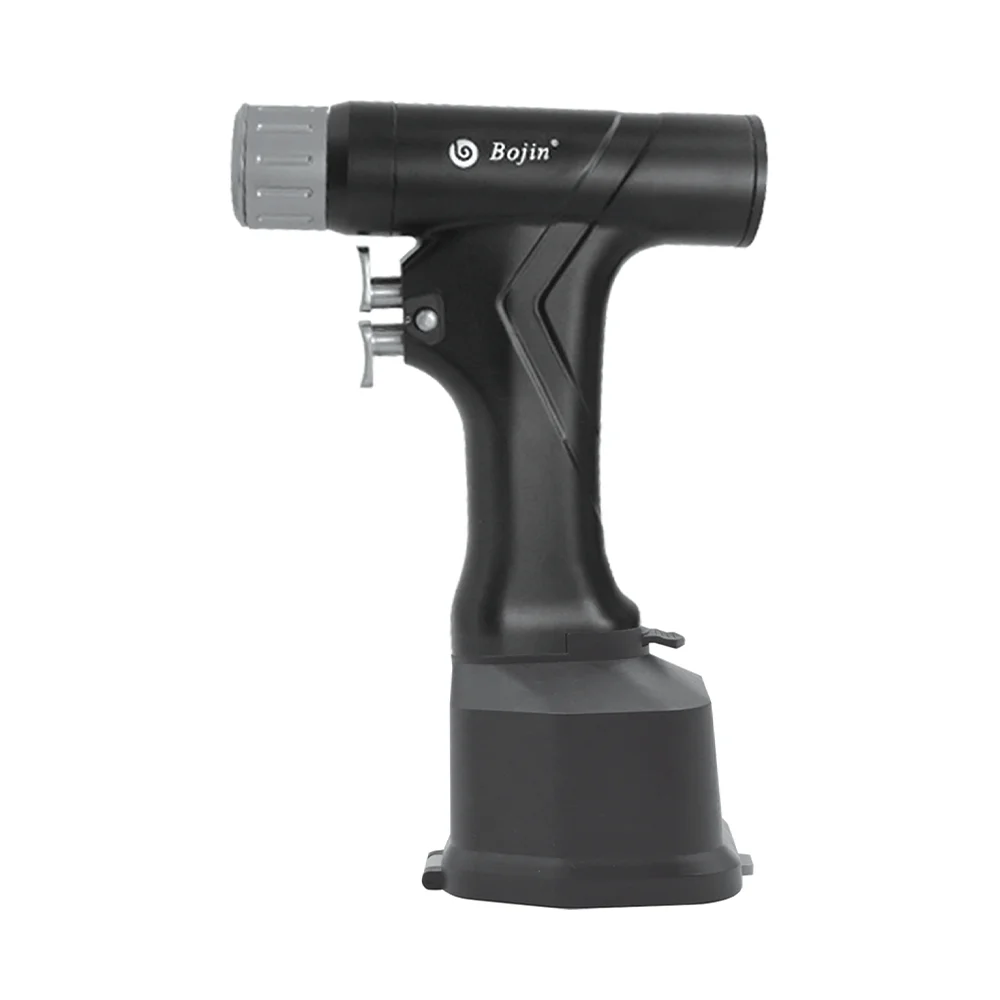
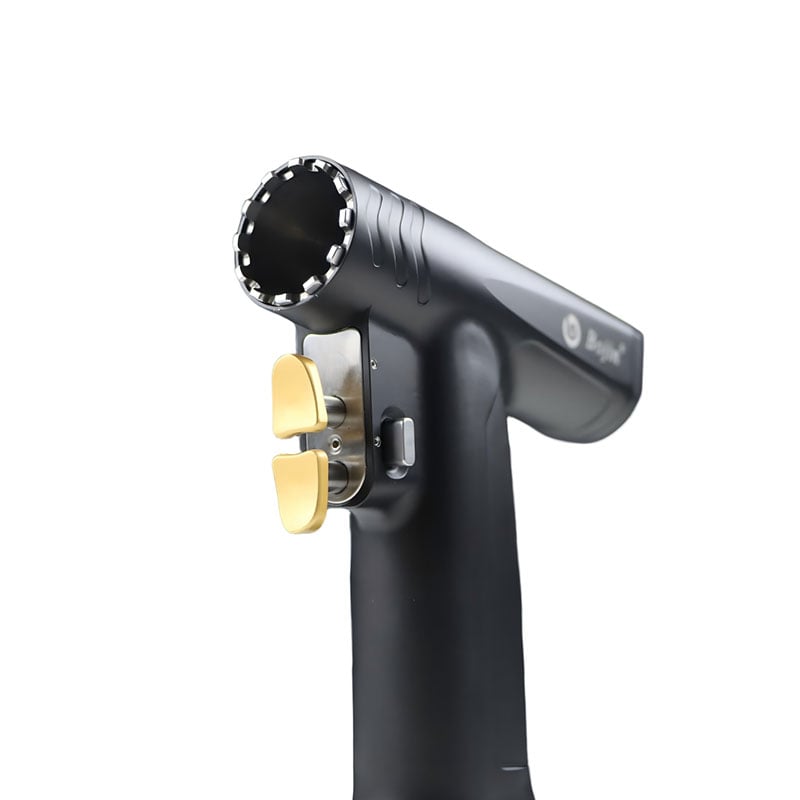
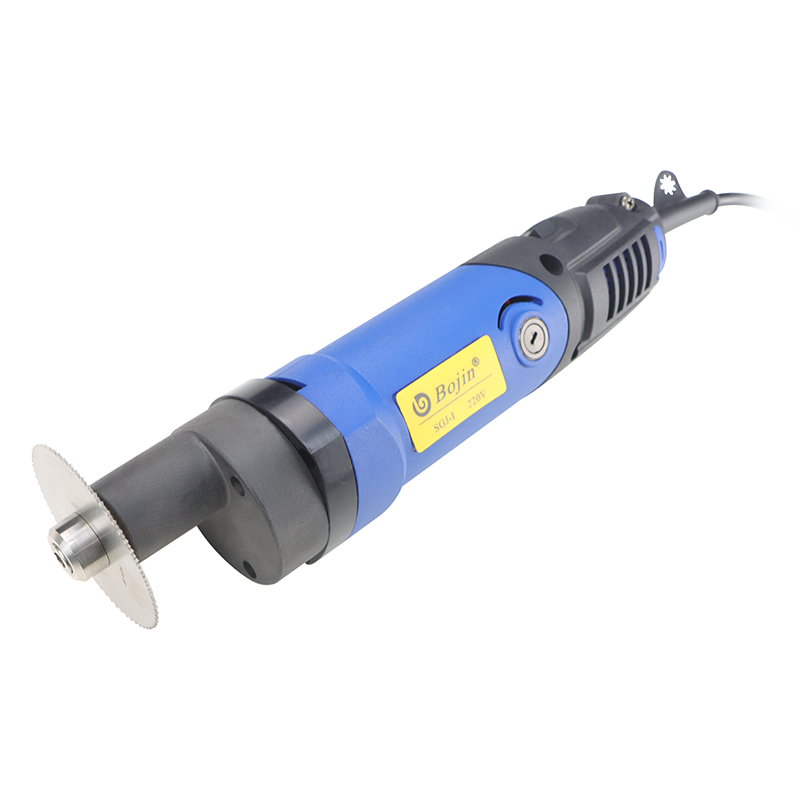
အရိုးခွဲစိတ်ကုသမှုတွင် အမြဲတမ်းရှိနေပြီး အရေးကြီးသော စိန်ခေါ်မှုတစ်ခုမှာ အပူဒဏ်ဖြင့် ဖြစ်ပေါ်သော ဆဲလ်သေဆုံးမှုကို ထိရောက်စွာ ကာကွယ်နိုင်ခြင်းဖြစ်သည်။ အမြန်နှုန်းမြင့် အရိုးကြိတ်စက်သည် သိပ်သည်းသော အရိုးအပြင်ခွံ (cortical bone) နှင့် ထိတွေ့သောအခါ ကြိတ်ခွဲနေသည့် လားရာတွင် ဖြစ်ပေါ်လာသော ပွတ်တိုက်မှုသည် ပတ်ဝန်းကျင်ရှိ ဇီဝအသက်ဆေးငြား အတွင်းပိုင်းကို ပြန်မပြင်နိုင်သော ပမာဏအထိ ပူအိုင်းမှုကို မြန်မြန်ဆန်ဆန် ဖြစ်ပေါ်စေနိုင်သည်။ ဆေးဘက်ဆိုင်ရာ အတွေ့အကြုံများက ထိန်းချုပ်ထားသော ပွတ်တိုက်မှုနည်းပါးသည့် ကြိတ်ခွဲမှုသည် အရိုးပတ်ပတ်လည်ရှိ အရေးကြီးသော အရိုးအပြင်ခွံအတွင်းသား (periosteum) နှင့် ပတ်ဝန်းကျင်ရှိ နူးညံ့သော အသားအင်္ဂါများ၏ ကျန်းမာရေးကို ထိန်းသိမ်းရန် အလွန်အရေးကြီးကြောင်း ထပ်ခါထပ်ခါ ပြသခဲ့သည်။ ထိရောက်သော ခွဲစိတ်ကုသမှု အရိုးကြိတ်စက်များကို ခေတ်မီသော တိကျစွာ စက်ဖြင့် ပြုလုပ်ထားသည့် အမှိုက်ဖယ်ရှားရေး ဗလာနေရာများဖြင့် ဒီဇိုင်းဆွဲထားပြီး ဆက်တိုက် အသုံးပြုနေစဉ် အပူချိန်မြင့်တက်မှုကို ထိရောက်စွာ လျှော့ချပေးကာ ပိတ်ဆို့မှုကို ကာကွယ်ပေးသည်။ ထို့အပြင် သင့်လျော်သော အသွားပုံစံကို ရွေးချယ်ခြင်းသည် အလွန်အရေးကြီးသည်။ အရိုး၏ မျက်နှာပြင်အမျိုးအစားအလိုက် ဒီဇိုင်းဆွဲထားသော အထူး ကြိတ်ခွဲပြားများသည် အောက်သို့ ဖိအားများစွာ သုံးစရာမလိုအပ်စေဘဲ အရိုးကွဲအက်ခြင်း သို့မဟုတ် ကြိတ်ခွဲပြား ကွဲပြဲခြင်းကဲ့သို့ မတော်တဆ ဖြစ်ရပ်များကို လျှော့ချပေးသည်။ အမြင့်ဆုံး ဒဏ်ရာကုသရုံးကြီးများတွင် လုပ်ကိုင်နေသော ခွဲစိတ်ဆရာဝန်များသည် လက်တွေ့ခံစားမှုကောင်းမွန်သော ကိရိယာတစ်ခုသည် ဆရာဝန်ကို အရိုး၏ ခုခံမှုကို "ခံစား" နိုင်စေပြီး မည်သည့် ခံစားမှုမှ မရှိသော စွမ်းအင်ကိုသာ အားကိုးနေသည့် ကိရိယာမျိုးထက် သာလွန်ကောင်းမွန်ကြောင်း အမြဲတမ်း အလေးပေး ပြောကြားလေ့ရှိကြသည်။ ဒီဇိုင်းတွင် ဤကွဲပြားမှုသည် ပို၍ တိကျသော၊ ထိန်းချုပ်နိုင်သော နှင့် နောက်ဆုံးတွင် ပို၍ ဘေးကင်းလုံခြုံသော ခွဲစိတ်ကုသမှု အတွေ့အကြုံကို ဖန်တီးပေးနိုင်သည်။
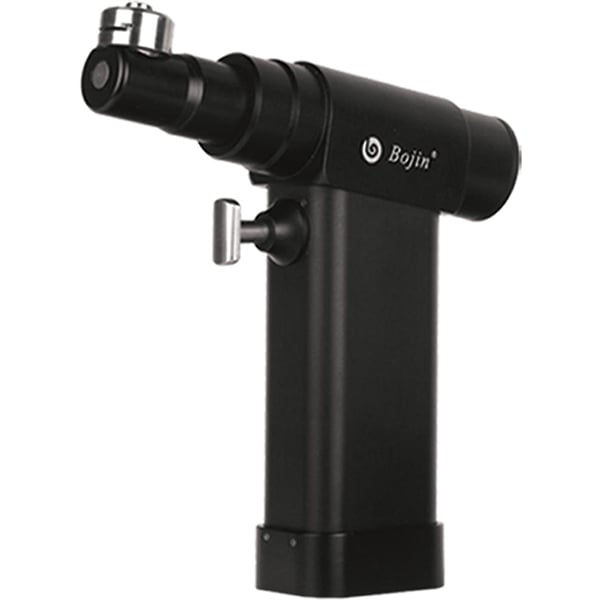
အောက်ပါစစ်ဆေးမှုနေရာတွင် ယုံကုံစိတ်ချမှုသည် မဖြစ်မနေလိုအပ်ပါသည်။ ထိုသို့သော ယုံကုံစိတ်ချမှုသည် အောက်ပါစစ်ဆေးမှုအတွက် အခြေခံအုတ်မူဖြစ်ပါသည်။ အရိုးကျိုးမှုပြုပြင်မှုတွင် အသုံးပြုသည့် အောက်ပါစစ်ဆေးမှုကိရိယာများကို အဖိအမိန့်မြင့်မှုရှိသည့် ရေနွေးငွေ့ဖောက်သည့် သန့်စင်မှုဖြင့် အကြိမ်ရောက်စုံ စနစ်တကျ ပြုလုပ်ရပါသည်။ ထိုသို့သော သန့်စင်မှုများသည် ကိရိယာ၏ ဖွဲ့စည်းပုံနှင့် ပစ္စည်းအရည်အသွေးကို အများဆုံးအထိ စမ်းသပ်ပေးပါသည်။ အရည်အသွေးမြင့်မားသည့် အရိုးဖြတ်သည့် ကိရိယာများကို ဆေးဘက်ဆိုင်ရာအဆင့်မှ အရိုးစို့မှုကို တားဆီးနိုင်သည့် အလော့များဖြင့် ပုံဖော်ထုတ်လုပ်ရပါမည်။ ထိုအလော့များသည် နေ့စဉ်အသုံးပြုမှုအများကြီးကြောင့် နှစ်များစွာကြာအောင် အများဆုံးအထိ အမှန်တကယ် မာကြောမှုနှင့် အရွယ်အစားအတိအကျကို ထိန်းသိမ်းနိုင်ရပါမည်။ အာဏာပိုင်အဖွဲ့များအရ အန်တာနေရှင်နယ်စံချိန်များဖြစ်သည့် ISO 13485 ကို လိုက်နာခြင်းသည် ကိရိယာများသည် လုံခြုံပါသည်၊ ယုံကုံစိတ်ချရပါသည်နှင့် ကုသမှုအားလုံးအတွက် ထိရောက်မှုရှိပါသည်ဟူသည့် အခြေခံလိုအပ်ချက်ဖြစ်ပါသည်။ ထိုအခြေခံစံချိန်များကို ကျော်လွန်၍ ယုံကုံစိတ်ချမှု၏ အမှန်တကယ်သော တိုင်းတာမှုမှာ သေးသေးဖွဲ့ဖွဲ့ အတိအကျဖြစ်ပါသည်။ ကိရိယာများသည် တစ်နေ့တွင် ပထမဆုံးအကုသမှုဖြစ်စေ အလုပ်များသည့် အလုပ်အများကြီးပြီးနောက် နောက်ဆုံးအကုသမှုဖြစ်စေ အတူတူပဲ အလုပ်လုပ်ရပါမည်။ အောက်ပါစစ်ဆေးမှုပြုလုပ်သည့် ဆရာဝန်များသည် အလုပ်လုပ်နေစဉ် အောက်ပါစစ်ဆေးမှုကိရိယာများ၏ လှုပ်ရှားမှုအမှန်တကယ် တည်ငြိမ်မှု၊ ဘက်ထရီသက်တမ်းနှင့် မော်တာအလုပ်လုပ်မှုသည် မှန်ကန်မှုနှင့် အောင်မှုကို မှန်ကန်စွာ ထောက်ပံ့ပေးနိုင်ကြောင်း အပြည့်အဝ သေချာစေရပါမည်။ ထိုအဆင့်များကို မှန်ကန်စွာ မလုပ်နိုင်သည့် ကိရိယာများသည် ကိရိယာများ အလုပ်မလုပ်တော့ခြင်းကို ဖြစ်ပေါ်စေပါသည်။ အရေးပေါ်အောက်ပါစစ်ဆေးမှုနေရာများတွင် ထိုသို့သော အလုပ်မလုပ်တော့ခြင်းသည် အချိန်ဆုံးရှုံးမှု၊ စရိတ်များ တိုးမှုနှင့် ကုသမှုစီမံချက်များ မှန်ကန်မှုမရှိခြင်းကို တိုက်ရိုက်ဖော်ပေးပါသည်။
ခေတ်မှီ အရိုးနှင့် ကြွက်သမားဆိုင်ရာ ကိရိယာများတွင် ရင်းနှီးမှုထည့်ဝင်ခြင်းသည် ဆေးဘက်ဆိုင်ရာ ဗျူဟာတစ်ခုသာမက လုပ်ငန်းဆောင်တာ ဗျူဟာတစ်ခုလည်း ဖြစ်ပါသည်။ စွမ်းဆောင်ရည်မြင့်မားသော ပစ္စည်းကိန်းပမ်းမှုများကို ဦးစားပေးသည့် ကျန်းမာရေးစင်တာများသည် အောင်မြင်မှုများ ပိုမိုကောင်းမွန်လာခြင်း၊ လူနေမှုအခြေအနေ ပိုမိုမြန်ဆန်စွာ ပြန်လည်ကောင်းမွန်လာခြင်းနှင့် နှစ်စဥ် ဝင်ငွေ ပိုမိုကောင်းမွန်လာခြင်းတို့ကို ရရှိပါသည်။ Bojin သည် ခေတ်မှီ CNC ထုတ်လုပ်မှုနည်းပညာများကို ခေတ်မှီ ဆေးကုသမှုလိုအပ်ချက်များနှင့် နက်ရှိုင်းစွာ နှီးနှေးမှုရှိသည့် အများကြီးသော အတွေ့အကြုံများနှင့် ပေါင်းစပ်ခြင်းဖြင့် ဤနယ်ပယ်တွင် ခေါင်းဆောင်တစ်ခုအဖြစ် အသိအမှတ်ပြုခံရပါသည်။ ဤအဖွဲ့အစည်းသည် အော်ပရေးရှင်း ကိရိယာများကို ပေးပေးသည့် အဖွဲ့အစည်းသာမက ဆေးကုသမှုပညာရှင်များအတွက် အတိအကျ မြင့်မားသည့် ကိရိယာများကို လိုအပ်သည့်အချိန်တွင် အတိအကျ ရရှိနေစေရန် အပြည့်အဝ အဆုံးသတ်အထ do ပေးသည့် ပေးပို့မှု စနစ်ကို ပေးပေးသည့် အဖွဲ့အစည်းဖြစ်ပါသည်။ လူသုံးစွဲမှုအတွက် အဆင်ပေါင်းသော ဒီဇိုင်း၊ ရှည်လျားသော အသုံးပြုနိုင်မှုကာလနှင့် နည်းပညာအရ တည်ငြိမ်မှုတို့ကို အလေးပေးခြင်းဖြင့် Bojin သည် ဆေးရုံများအား အော်ပရေးရှင်း စွမ်းဆောင်ရည်များကို ဌာနအားလုံးတွင် အမြင့်မားဆုံး စံနှုန်းများဖြင့် ထိန်းသိမ်းနေစေပါသည်။ ဤသို့သော အင်ဂျင်နီယာ အရည်အသွေးအပေါ် မော်က်မ်းသော အလေးပေးမှုကြောင့် အော်ပရေးရှင်း ဆရာဝန်များသည် အရိုးကျိုးခြင်းကို ပုံမှန်အတိုင်း ပြန်လည်ပေါင်းစည်းရာတွင် ရှုပ်ထွေးမှုများကို အပြည့်အဝ အာရုံစိုက်နိုင်ပါသည်။ ထို့အပေါ် သူတို့၏ ကိရိယာများသည် သူတို့၏ အော်ပရေးရှင်း နည်းလမ်းများနှင့် အတူ ယုံကြည်စိတ်ချရမှု၊ တိကျမှုနှင့် နည်းပညာအရ အဆင်ပေါင်းသော အရည်အသွေးများကို ပေးစေပါသည်။ ဤသို့သော ဗျူဟာမှုဆိုင်ရာ ပူးပေါင်းဆောင်ရွက်မှုများကြောင့် ဆေးခန်းများသည် သုံးစွဲမှုများကို အကောင်းဆုံး စီမံနိုင်ပါသည်။ လုပ်ငန်းဆောင်တာများကို အမော်က်မ်းသော အချိန်များတွင် ထိန်းသိမ်းနိုင်ပါသည်။ နောက်ဆုံးတွင် သူတို့၏ အရေးကြီးသော ကျွမ်းကျင်မှုများကို အရေးကြီးဆုံးသော နေရာတွင် အသုံးပြုနိုင်ပါသည်။ ထိုနေရာများမှာ လူနေမှုအခြေအနေ၊ လုံခြုံရေးနှင့် မြန်ဆန်စွာ ပြန်လည်ကောင်းမွန်လာရေးတို့ဖြစ်ပါသည်။
 အရေးကြီးသော သတင်းများ
ရှန်ဟိုင်းဘိုကင်းဆေးပစ္စည်းကုမ္ပဏီလီမိတက်၏ မူပိုင်ခွင့်၊ ၂၀၂၅ - လျှို့ဝှက်မှုမူဝါဒ

 EN
EN