×
×
Achieving successful internal fixation in orthopedic surgery is highly dependent on the precision with which surgeons interact with different bone morphologies. The human skeletal system is far from uniform, ranging from the extremely dense, hard cortical bone of the diaphysis to the porous, soft cancellous bone found in the metaphysis and epiphysis. Selecting the correct orthopedic drill bit is a critical decision that influences not only the ease of the surgical procedure but also the long-term stability of the hardware fixation. Surgeons often face the challenge of matching the geometry, tip angle, and material of the tool to the specific site of the injury. Relying on extensive experience and careful clinical judgment to choose the right implement is paramount, as the mismatch between the tool and the bone density can lead to serious complications such as thermal necrosis, improper hole alignment, or excessive bone fragmentation. Mastery over these tools is what distinguishes a standard procedure from an exemplary clinical outcome.
To effectively choose an orthopedic drill bit, one must first recognize the structural differences in bone tissue. Cortical bone, being dense, compact, and rigid, provides the primary structural strength of the skeleton but is highly susceptible to heat generation during drilling. A bit designed for cortical bone requires precise flute geometry to evacuate debris efficiently and prevent overheating during the penetration phase. Conversely, cancellous bone is spongy, delicate, and porous. When drilling into these areas, the clinical risk is not just heat, but the potential for the bit to "plunge" too deeply or cause structural damage to the fragile trabecular structure. Choosing a tool with specific thread-like or stepped cutting edges helps in stabilizing the penetration, ensuring that the screw eventually finds a secure, lasting purchase within the marrow space. Understanding these biomechanical nuances allows medical teams to prepare more effectively for the specific demands of each unique surgical case, ensuring safety and efficiency.
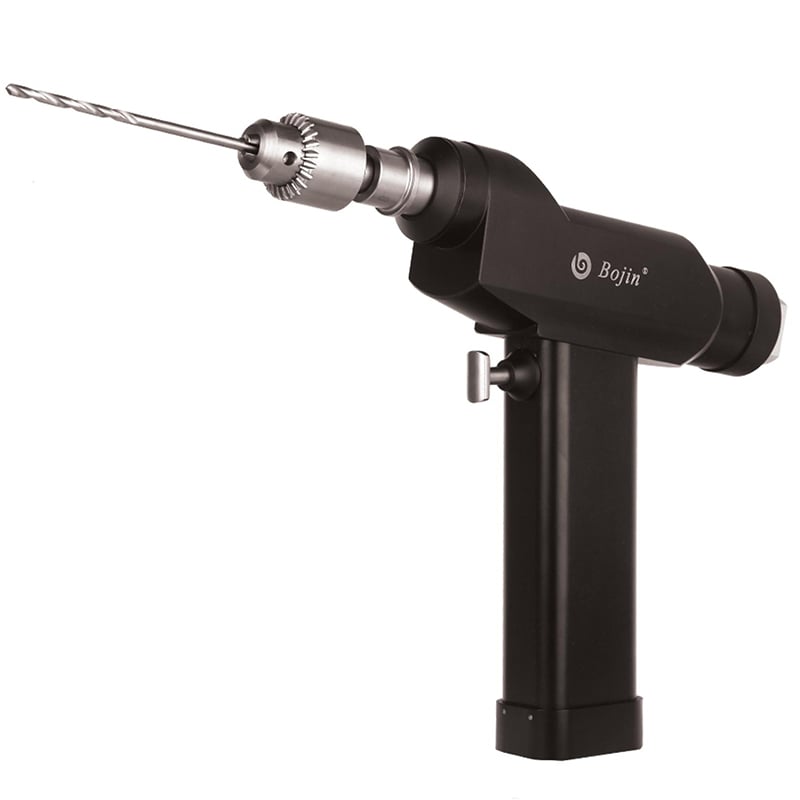
The performance of an orthopedic drill bit is dictated by its sophisticated material science and precise design parameters. For high-density cortical bone, tungsten carbide or hardened medical-grade stainless steel is often preferred due to their inherent ability to maintain a razor-sharp edge under high stress. Sharpness is essential; a dull or damaged tool increases friction, which rapidly elevates the temperature of the bone tissue. Thermal damage, even at a microscopic or cellular level, can compromise the critical osteointegration process, ultimately leading to hardware loosening over time. Furthermore, the drill bit diameter must be meticulously matched to the core diameter of the screw being placed. Standardized measurement systems must be strictly followed to ensure that the thread engagement is optimal. Clinical data consistently indicates that utilizing tools engineered with these exact, uncompromising specifications significantly reduces the risk of post-operative complications and enhances the primary stability of the fixation construct, which is vital for patient recovery.
Beyond the initial selection, the lifecycle of a high-quality instrument is determined by how it is maintained in the clinical setting. Modern surgical environments require equipment that can withstand repeated exposure to high-pressure, high-temperature steam cycles in hospital autoclaves without losing its metallurgical integrity or edge sharpness. Corrosion is a silent enemy in orthopedic surgery. Therefore, opting for drill bits that possess high resistance to oxidation and chemical degradation is a vital component of clinical risk management. Hospitals and clinics that implement a robust, consistent maintenance protocol—regularly inspecting for micro-abrasions, dullness, or deformation—ensure that their surgical inventory remains in peak, reliable condition. This attention to detail reflects a high standard of clinical care and ensures that when a surgeon reaches for an instrument, they can trust its performance implicitly, even in the most demanding trauma scenarios.
Innovation in medical instrumentation is a continuous journey, and Bojin has established itself as a leading, trusted provider of high-precision orthopedic tools. With decades of deep manufacturing expertise, Bojin understands that the reliability of an orthopedic drill bit is fundamentally linked to the precision of its CNC machining and the quality of raw materials used in production. By integrating advanced production technologies and strict quality control processes, Bojin ensures that every tool is calibrated for peak performance across diverse bone densities and surgical environments. Beyond manufacturing, Bojin provides comprehensive supply chain support, offering customized solutions that help modern surgery centers and hospitals optimize their surgical sets for better throughput. This dedication to quality and service empowers medical professionals to perform their duties with absolute confidence, knowing their instruments are engineered to meet the highest international surgical standards and regulatory requirements.
The selection of appropriate instrumentation is a cornerstone of effective, patient-centered orthopedic care. As surgical techniques continue to evolve toward more minimally invasive, high-precision procedures, the demand for high-performance tools that provide superior tactile feedback and safety becomes increasingly critical. Surgeons who take the time to evaluate their equipment based on bone type and individual procedure requirements set themselves up for long-term success. Whether it is addressing emergency trauma in a fast-paced environment or planning a complex elective reconstruction, the importance of reliable, well-chosen equipment cannot be overstated. By focusing on quality and partnering with established, forward-thinking manufacturers like Bojin, the medical community ensures that the tools used today support the long-term health, mobility, and recovery of patients everywhere. Through the intersection of deep clinical expertise and advanced engineering excellence, the future of orthopedic surgery remains firmly focused on safety, efficiency, and superior recovery pathways.
 Hot News
Copyright © 2025 by Shanghai Bojin Medical Instrument Co., Ltd. - Privacy policy

 EN
EN