×
×
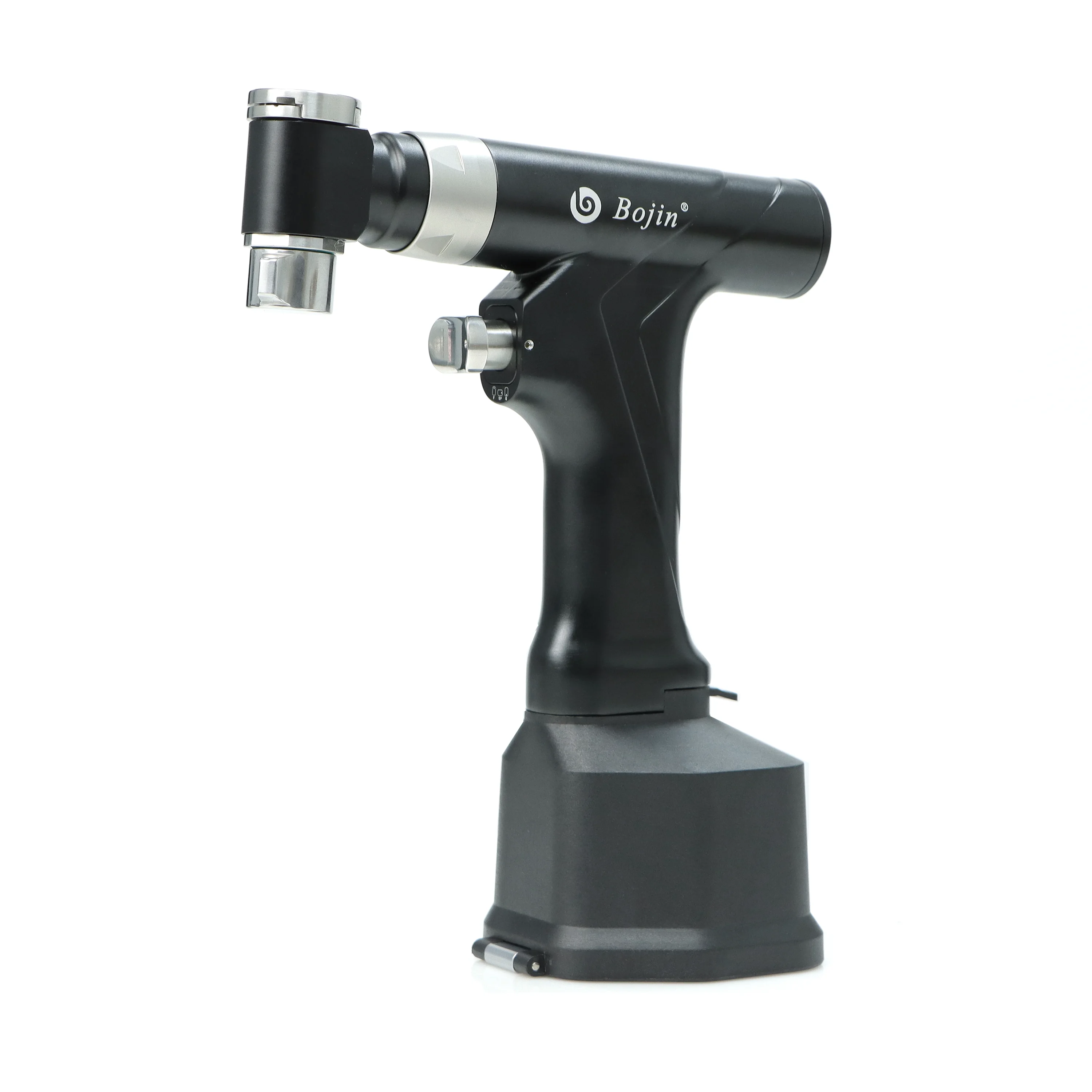
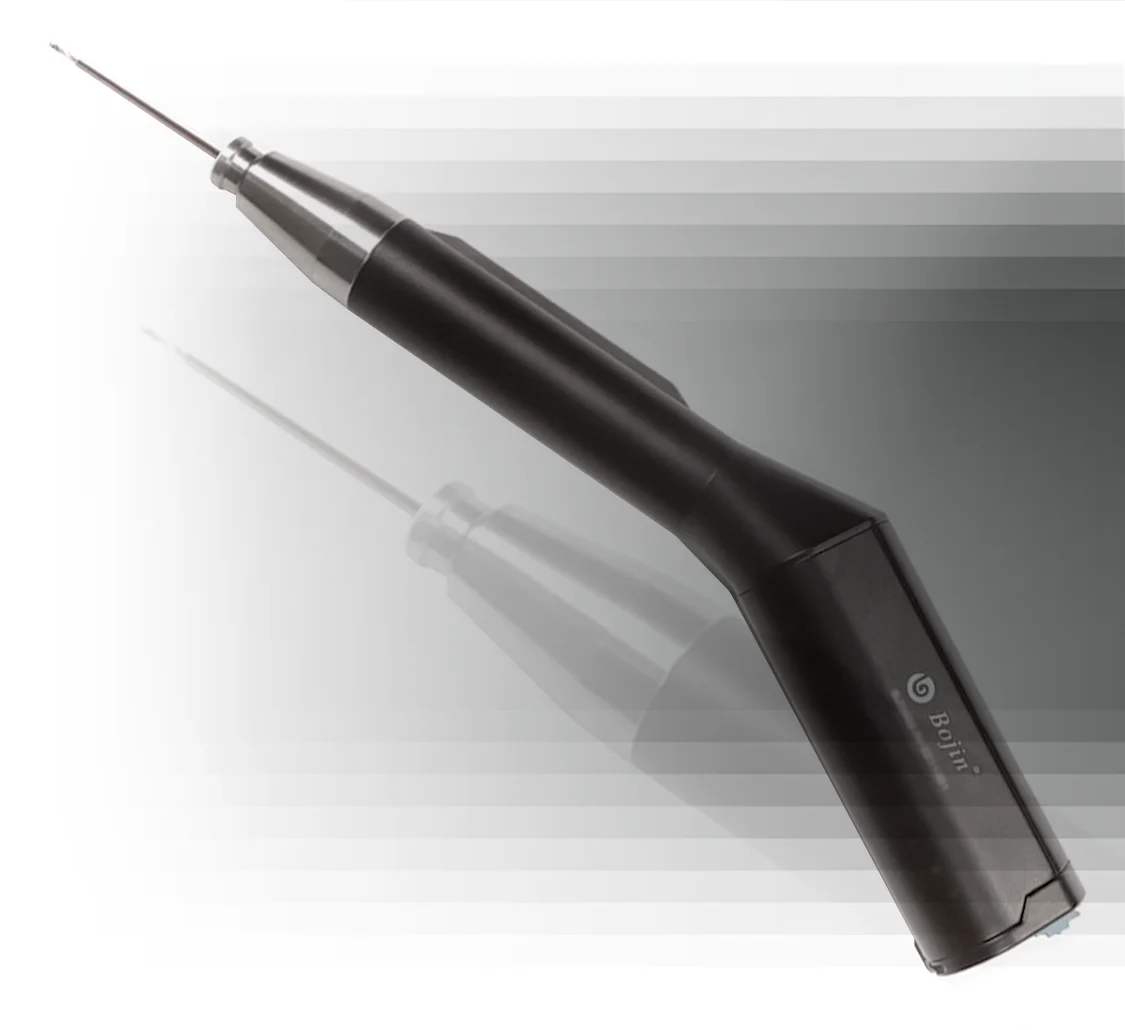
Modern techniques of orthopaedics are very advanced and require an extraordinary level of precision. This is especially true for the spine, hand, wrist and very small joints. Also, for the small joints, there are reconstructions. Controlled short stroke movements are used by oscillating saws, and with these movements, the surgeon can make very accurate cuts (less than 1 millimeter). High speed rotating instruments tend to take away even more bone than is necessary, but with the use of oscillating saws, the bone being worked on is the only bone that is being worked on. Clinical tests prove that precision increases and there is a much greater chance of reducing surgical damage for a better anatomical alignment. These instruments are used for corrective osteotomies, for the fixation of fractures and for surgeries that preserve joints for the reason that it is critical how they are prepared for the, even long term, functional outcome.
Oscillating saws reduce damage to adjacent soft tissues, which is particularly important during meticulous bone surgeries. Because of the short arc and the targeted cutting, there is less risk of cutting nerves, blood vessels, and ligaments. Most of the new models are designed especially for the cutting of hard tissues, and they are much less aggressive to the soft tissues. The majority of leading orthopedic trauma specialists are convinced that the preservation of soft tissues is a necessity to reduce the complications of hematomas, nerve irritations, and delayed healing. Because of this, these are the saws of choice in pediatric orthopaedics, hand surgeries and revisions where soft tissue preservation is essential.
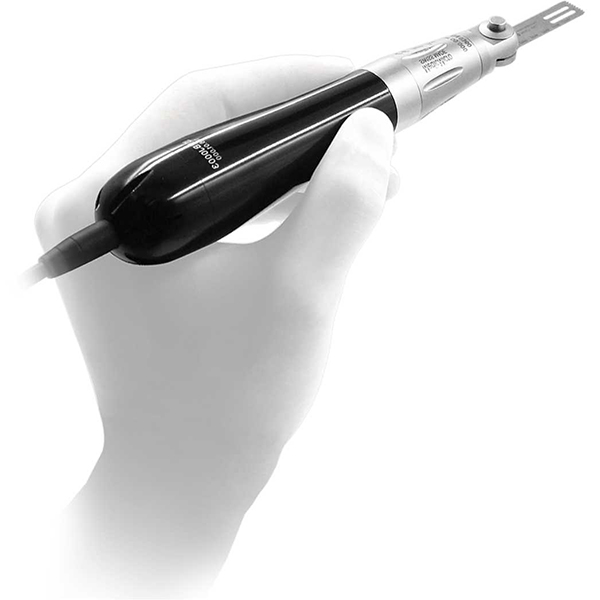
Bone cutting creates excessive vibrations. This can impair the surgeon’s view of the surgical site, increase surgeon fatigue, and raise the risk of thermal injury to bone cells. Compared to other cutting instruments, oscillating saws are designed to produce less vibrations. Steady torque and ergonomic balanced handles assist the user to keep control of the saw even during long procedures. Low vibration levels also protect the bone by lessening micro damage to the bone cells and surrounding structures. Improved visibility of the surgical site and instrument stability also supports consistent performance in small and confined spaces during surgical procedures, such as spinal decompression and small bone manipulations. These qualities are consistent with global clinical best practices for minimally invasive orthopedic techniques.
Bone cutting can produce thermal injury to the bone cells, which can slow down the recovery of the bone. Compared to high-speed cutting tools with continuous motion, oscillating saws produce less heat through friction. Many systems also have built-in irrigation and heat dissipating mechanisms to keep the temperature of the cut in a safe range. Preserving healthy tissue of the bone also tissue enhances the healing process, and improves graft integration, implant fixation, and overall healing speed. It has been widely documented in orthopedic research that injury from heat improves the fusion of bones and decreases the occurrence of non-unions. This benefit is critical in procedures of arthrodesis, implant osteotomies, and trauma, where the viability of the bone is a direct indicator of the surgical success
The versatility of oscillating saw systems comes from their ability to support an extensive range of blade types and sizes. They provide a surgical solution for open and minimally invasive foot and ankle, upper extremity, and spinal surgeries. Surgeons can also achieve their desired performance and surgical goal by adapting the speed settings to the specific bone density of the given surgical case. In the Operating Room, this versatility aids in streamlining workflows, reducing the number of instruments that need to be changed, and producing consistent results in a range of case types. The combination of precision, efficiency, and versatility in a surgical saw is highly regarded by hospitals and surgical centers in order to meet their varied clinical needs.
The high-quality oscillating saws manufactured by BOJIN have been tested to meet strict international safety and performance testing requirements, including CE, ISO, and FDA certifications. With more than 30 years of experience, BOJIN has specialized in the development of orthopedic power tools, external fixation systems, and rehabilitation devices and has served more than 120 countries through a global distributor network. Combining clinical knowledge and engineering along with a capable production facility has allowed BOJIN to manufacture dependable tools designed to allow surgeons to perform precise bone resections with a high degree of safety, thereby reducing the time and costs associated with post-operative care, as well as increasing the value of surgical care for the patient and the healthcare provider.
 Hot News
Copyright © 2025 by Shanghai Bojin Medical Instrument Co., Ltd. - Privacy policy

 EN
EN