×
×
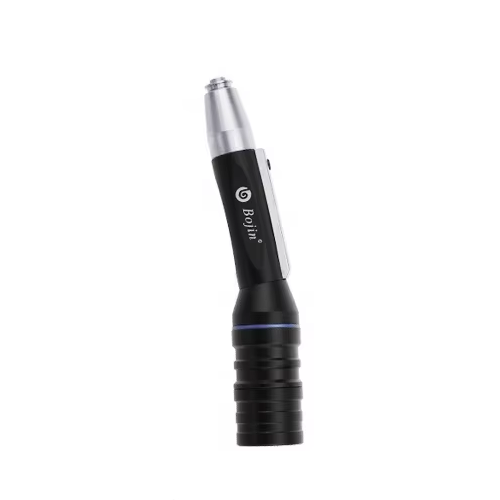
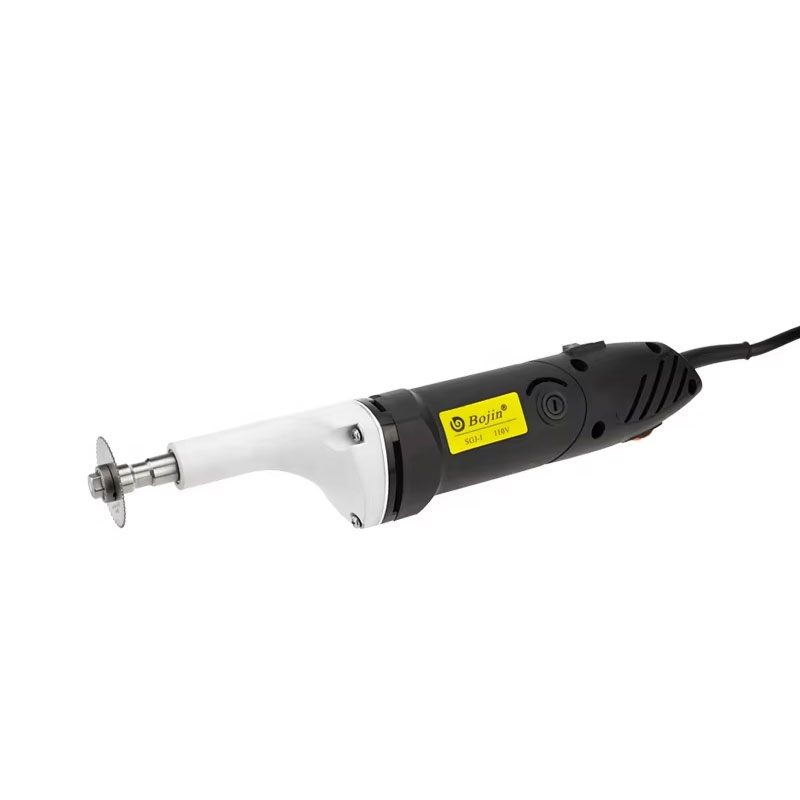
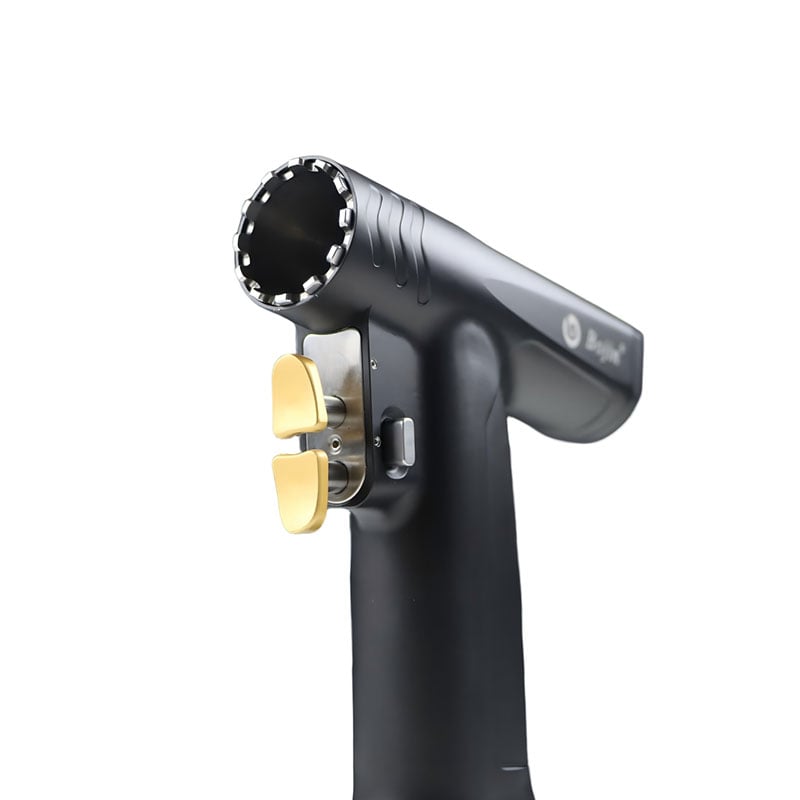
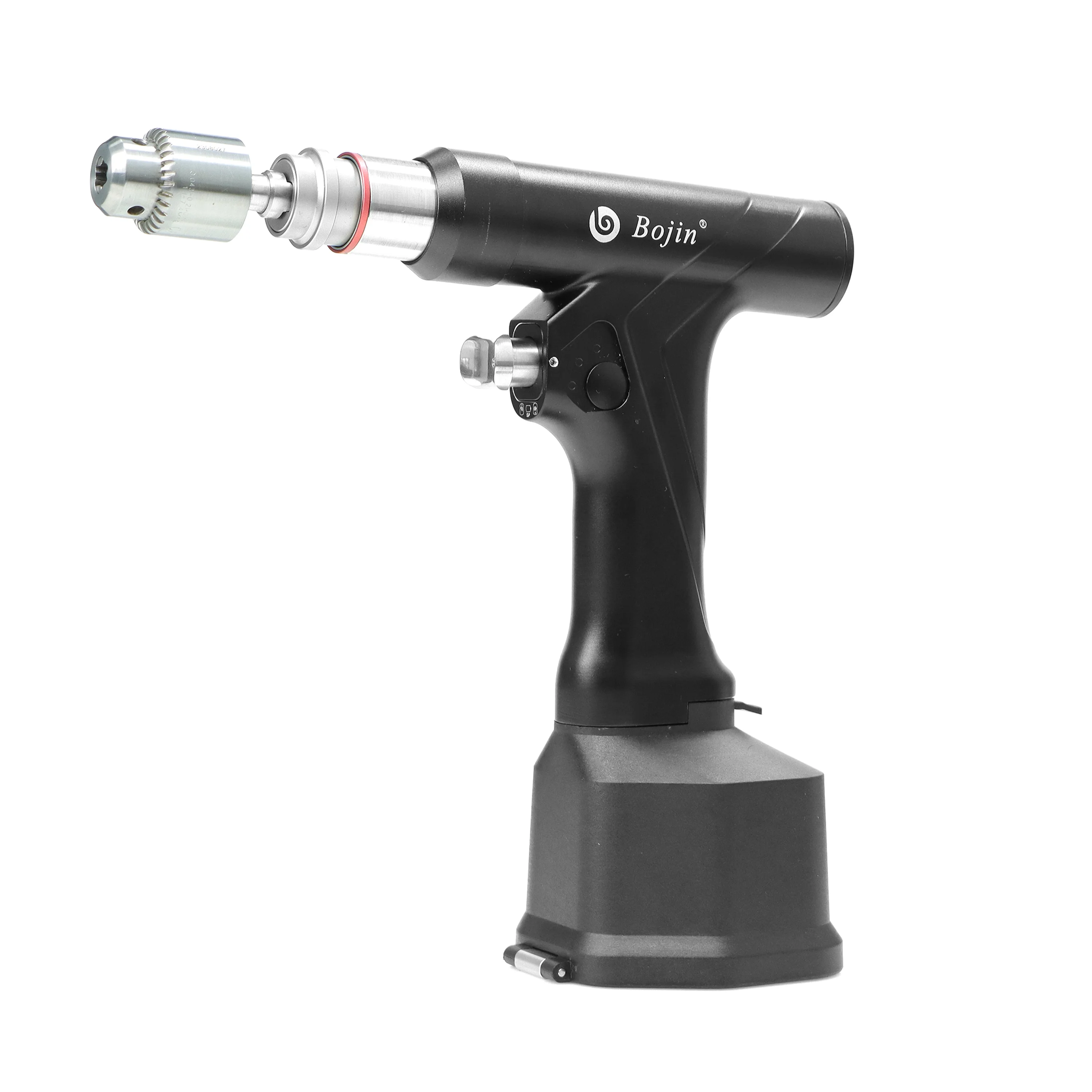
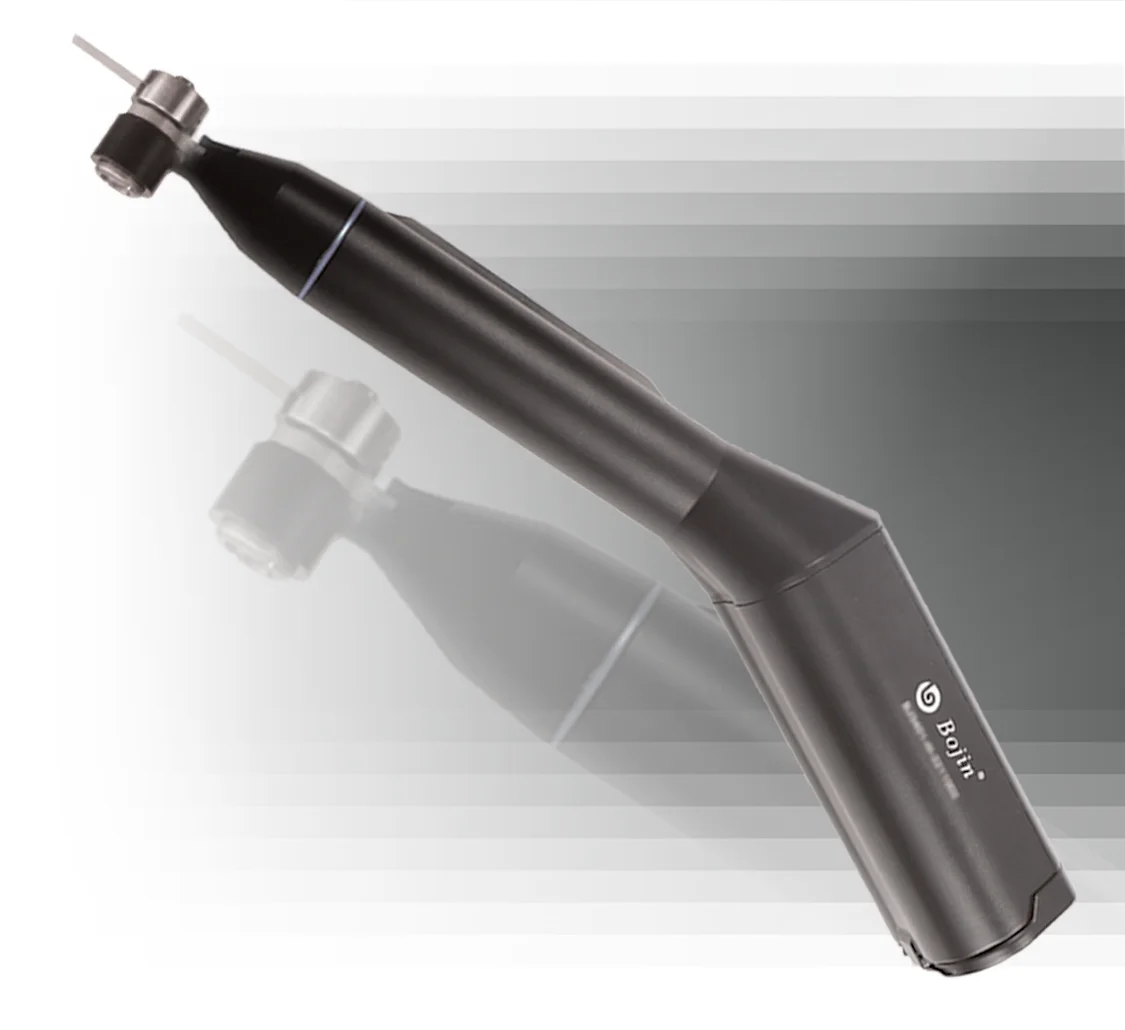
Orthopedic surgery demands absolute precision, where every millimeter significantly impacts patient recovery. At the heart of this high-stakes environment, the medical saw serves as an indispensable tool, enabling surgeons to perform complex bone resections, joint replacements, and fracture fixations with unparalleled accuracy. Whether it is an oscillating model for delicate cuts or a reciprocating device for larger structural adjustments, the evolution of these instruments has fundamentally transformed surgical outcomes. Surgeons rely on the consistent performance of a high-quality medical saw to ensure that anatomical alignment is perfect, which directly translates to reduced post-operative pain and faster rehabilitation for patients. The necessity of a reliable surgical instrument cannot be overstated, as it remains the primary driver of success in orthopedic interventions globally. Furthermore, clinical experience shows that mastering the nuances of modern bone-cutting technology drastically reduces intraoperative complications. When medical professionals evaluate surgical theaters, the reliability of their primary cutting devices stands out as a core metric for operational success.
The history of bone cutting has shifted from crude manual instruments to highly refined, power-assisted systems. Today, the modern medical saw is engineered with ergonomic considerations and high-torque capabilities, ensuring that bone tissue is cut cleanly without causing unnecessary thermal damage. Expertise in selecting the right blade type and speed is crucial; too much heat can lead to bone necrosis, which compromises long-term fixation. By utilizing advanced drive systems that maintain stability even under heavy load, surgeons can execute intricate geometric cuts necessary for modern prosthesis fitting. This technical proficiency, backed by decades of engineering advancement, makes contemporary surgical hardware an extension of the surgeon's own skill set. Clinicians now demand equipment that combines raw power with delicate finesse, allowing for the extreme detail required in modern, complex reconstructive procedures across various hospital departments.
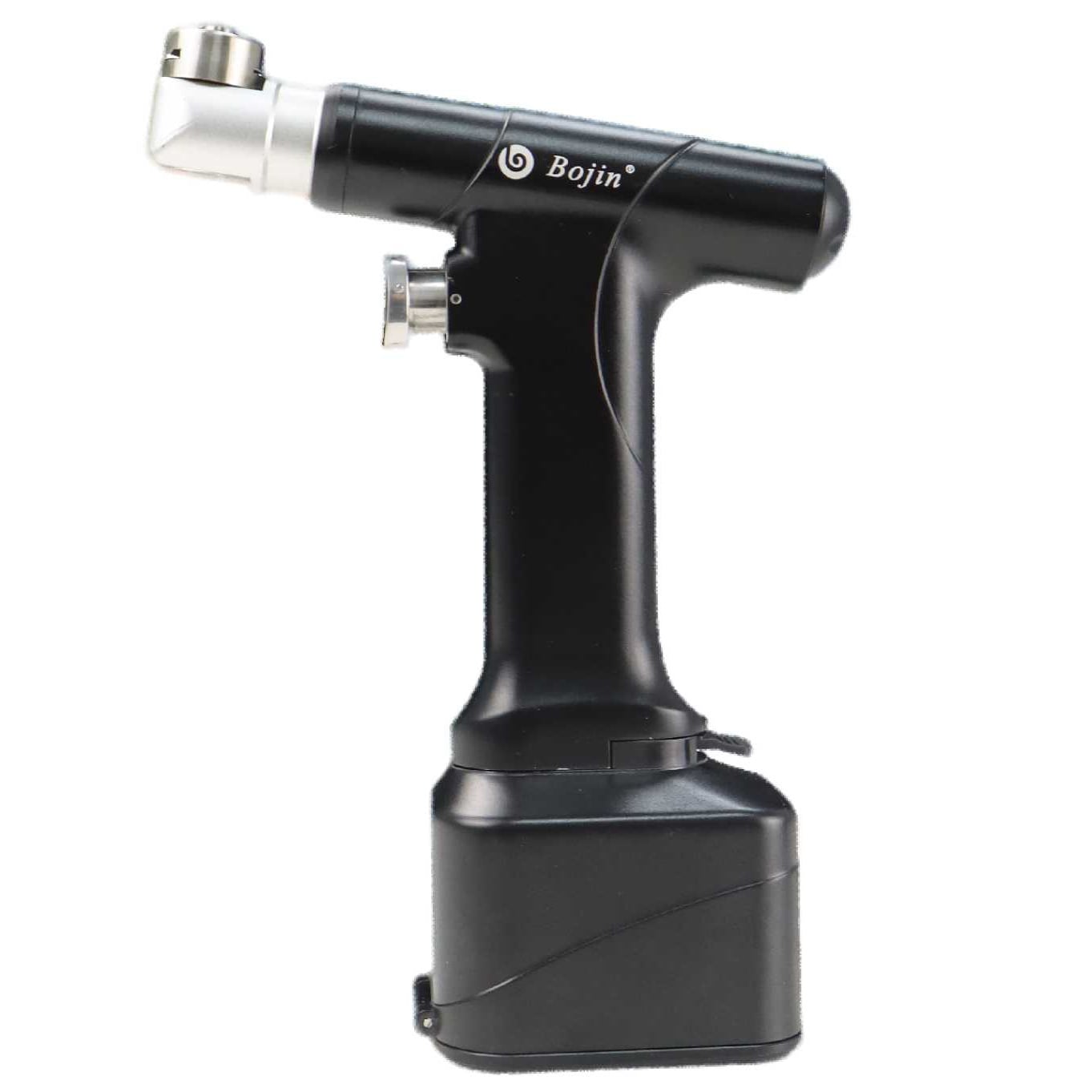
Time is a critical resource in the operating room. The integration of an efficient surgical instrument allows the surgical team to streamline the procedural workflow. By reducing the time taken for bone preparation—which is often the most time-consuming part of joint replacement—the total duration of anesthesia is minimized, which is a major factor in patient safety. Furthermore, precision cutting minimizes the need for corrective secondary cuts, ensuring that the implant sits perfectly on the first attempt. Surgeons who leverage high-performance tools report fewer complications and a smoother operation, allowing the team to focus on the patient rather than fighting against equipment limitations or mechanical failures. A versatile medical saw serves as the backbone of efficient operating room management, enabling faster turnover times and consistent procedural results across the board. Administrative leaders in healthcare facilities consistently monitor these operational metrics to ensure maximum productivity.
Beyond speed and precision, safety is the most essential element of any orthopedic intervention. A superior medical saw is designed with safety mechanisms that protect surrounding soft tissues, nerves, and blood vessels—structures that are often in close proximity to the bone being operated on. Trustworthiness in surgical equipment comes from a design philosophy that prioritizes the patient’s long-term health. Reliable tools, when used correctly, ensure that the cutting action is contained exactly where intended. This level of control is achieved through high-frequency vibrations and low-noise motors that provide the surgeon with tactile feedback, ensuring the device behaves predictably throughout the entire procedure. Protecting the patient from secondary damage is the hallmark of professional-grade manufacturing, reinforcing why surgical teams are so particular about their equipment selection protocols.
In the global supply chain for surgical power tools, Bojin has established itself as a beacon of reliability and innovation. Since 1992, the company has dedicated its resources to the research, development, and manufacturing of high-end orthopedic solutions. When a hospital or distributor invests in a medical saw from Bojin, they are tapping into thirty years of technical expertise. The production lines are governed by strict international standards, ensuring that every unit delivered meets the rigorous demands of global clinical settings. Bojin understands that advanced medical devices are not just metal instruments; they are critical components of a surgeon’s ability to change a patient’s life for the better, combining robust durability with the precision required for delicate bone work. By focusing on deep clinical integration, Bojin ensures its product offerings meet the highest expectations of surgeons in diverse healthcare environments.
As we look toward the future, the role of the medical saw will continue to expand alongside advancements in robotic-assisted surgery and minimally invasive techniques. The integration of smart sensors and digital feedback loops will further enhance the accuracy of bone cutting. For institutions looking to stay at the cutting edge of orthopedic care, partnering with an experienced manufacturer like Bojin provides the stability and technological support necessary for long-term clinical success. By continuing to prioritize engineering excellence and responsiveness to market needs, the company remains a cornerstone for surgical teams worldwide who demand nothing less than perfection in their daily practice. Investing in next-generation equipment is essential for hospitals aiming to improve their long-term clinical outcomes and overall operational efficiency. Furthermore, establishing robust biomedical partnerships ensures that clinical practices remain aligned with global regulatory updates and material science innovations. As hospitals expand their surgical capabilities, selecting versatile power equipment becomes a fundamental priority for biomedical engineers and hospital procurement directors alike. Continuous education and training programs are also vital components offered by leading manufacturers. When clinical staff receive comprehensive onboarding on device maintenance and optimal handling techniques, equipment lifespan is extended, and procedural safety margins are maximized across all surgical applications. Ultimately, the continuous refinement of surgical cutting technology represents a monumental leap forward for modern medicine. By bridging the gap between rigorous engineering standards and everyday clinical application, manufacturers empower medical professionals to push the boundaries of what is possible in reconstructive and trauma surgery, ensuring better futures for patients worldwide.
 Hot News
Copyright © 2025 by Shanghai Bojin Medical Instrument Co., Ltd. - Privacy policy

 EN
EN