×
×
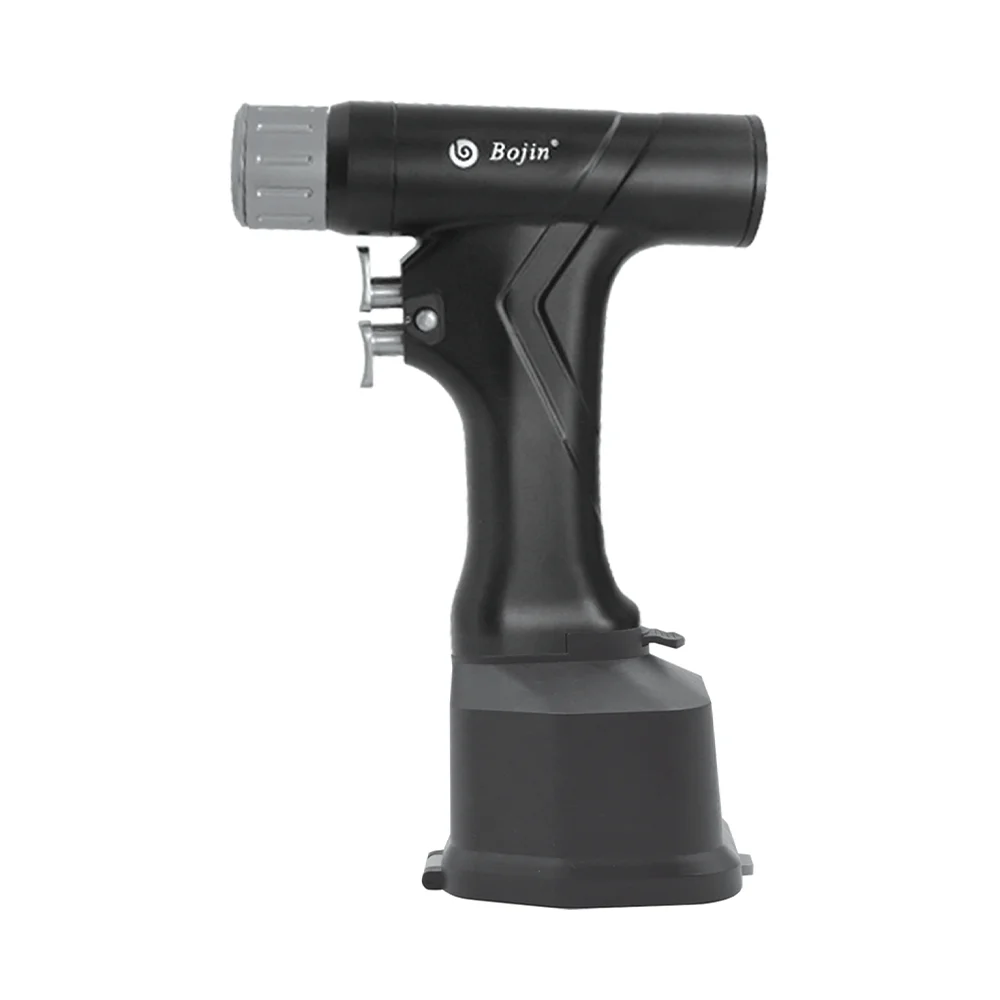
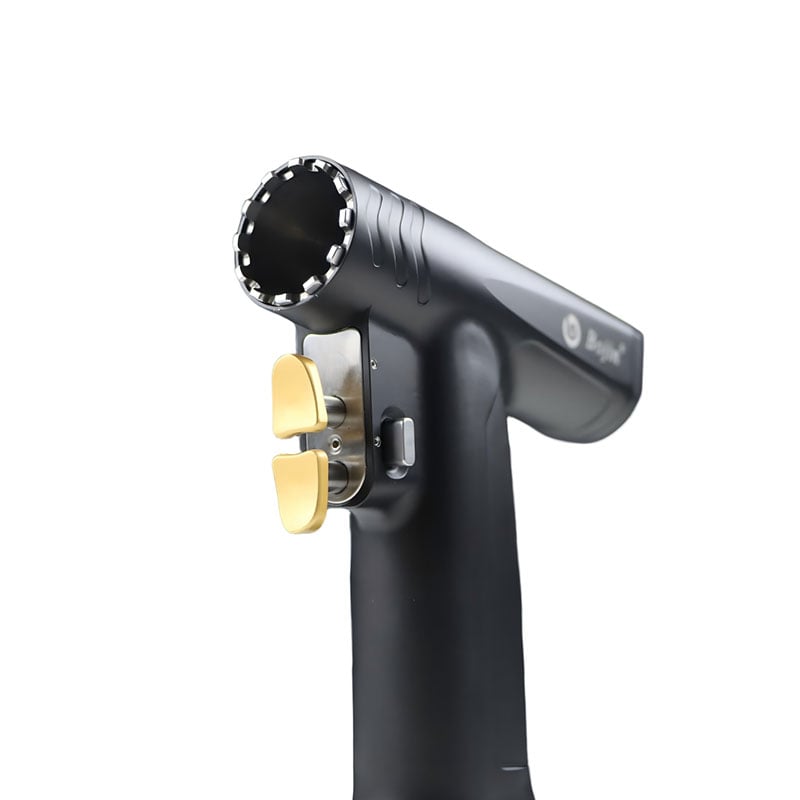
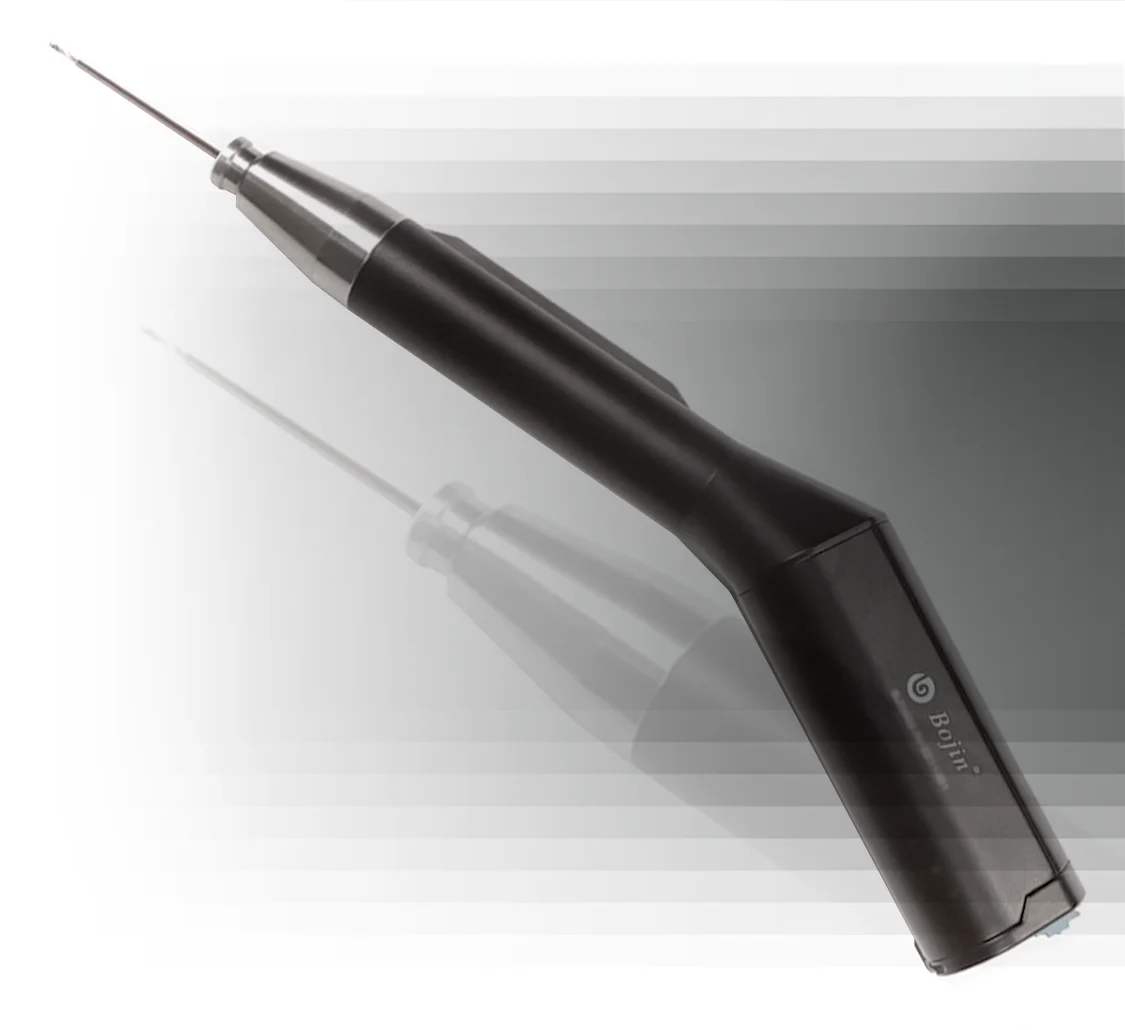
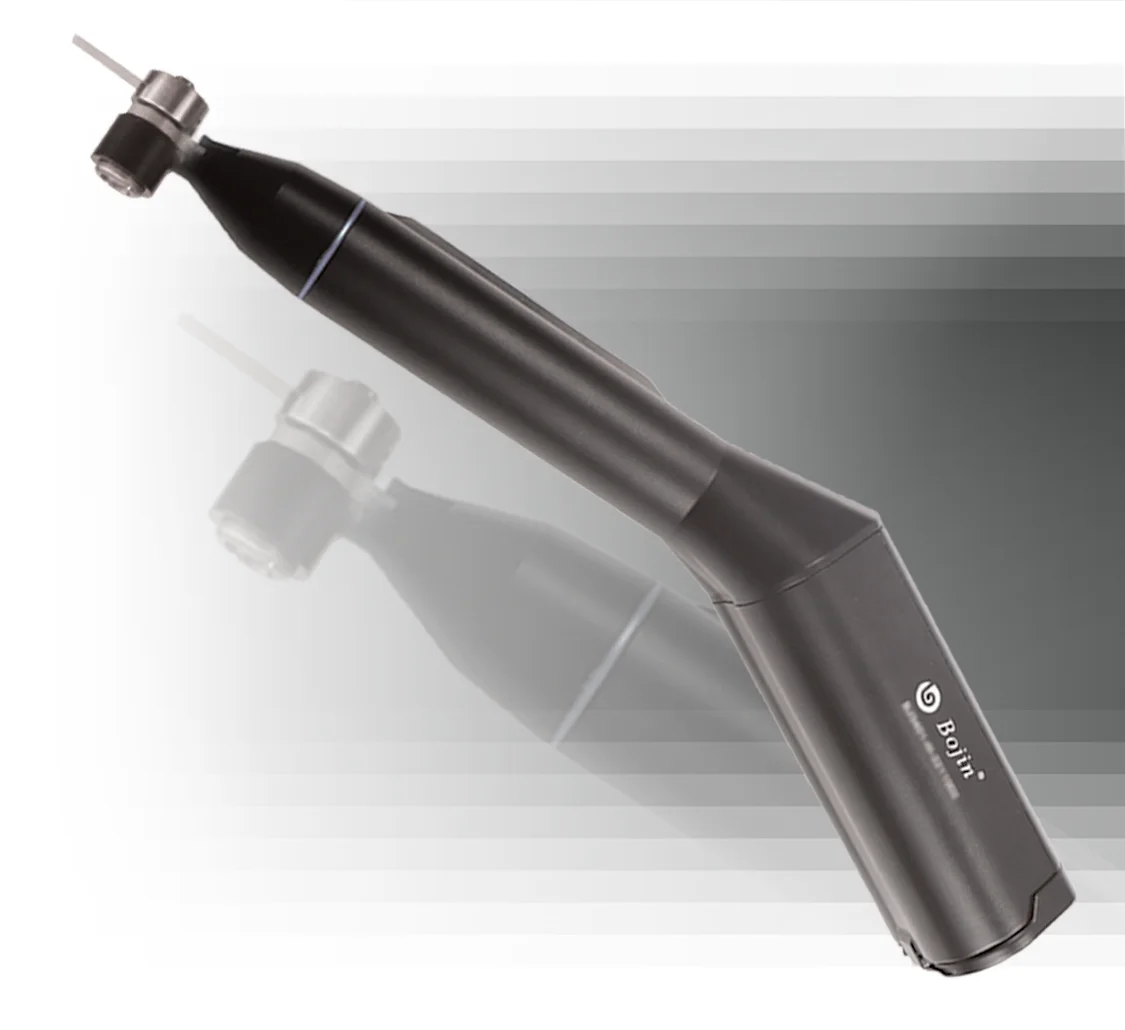
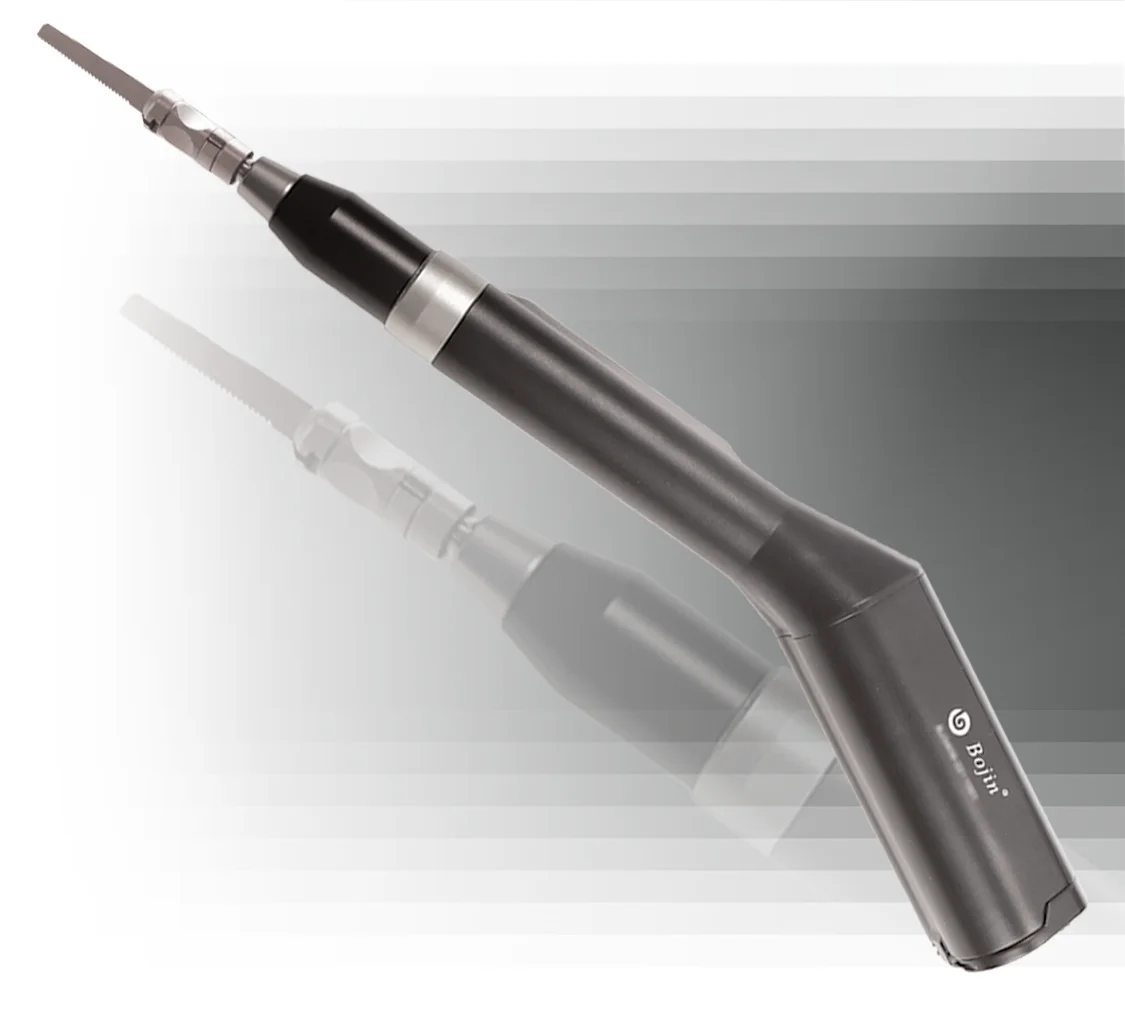
Medical bone saws are an essential part of orthopedic surgery, and this is because of the incredible precision these saws attain that ultimately improve patient outcomes. These saws, unlike traditional cutting tools, make exact and specialized controlled cuts in bone tissue necessary in procedures such as joint replacements and fractures. With minimally invasive surgery, an even slight millimeter deviation could lead to serious complications such as nerve damage, or misalignment of the implant. Top orthopedic specialists state that the saws precision tools can decrease errors during surgery by as much as 40 percent, something studies on the effectiveness of surgical tools have been shown to support. Quality bone saws are built with an adjustable speed feature and an ergonomic handle so that the surgeon can maintain accuracy, even with varying bone densities. This level of precision is not just a technical characteristic, but a clinical demand that has greatly improved patient recovery rates.
New medical bone saws currently used as the industry standard tools for Orthopedics because of their superior technology. They are crafted using cutting edge titanium alloys and medical grade stainless steel, making them extremely durable and lightweight. They cut through bone and soft tissue, reducing the chance of damaging the tissue surrounding the bone. One industry first was the technology used to dampen the vibrations of the saw that help surgeons keep their hands steady, and reduces fatigue during long operations. One of the greatest withstanding surgical innovations created the tools and technology that comply with the sterilization processing standards set for the tools to be used without concern for the surgical team. The tools are proven compatible with the exacting guidelines set forth by regulatory agencies such as The International Organization for Standardization (ISO) and The Food and Drug Administration (FDA).
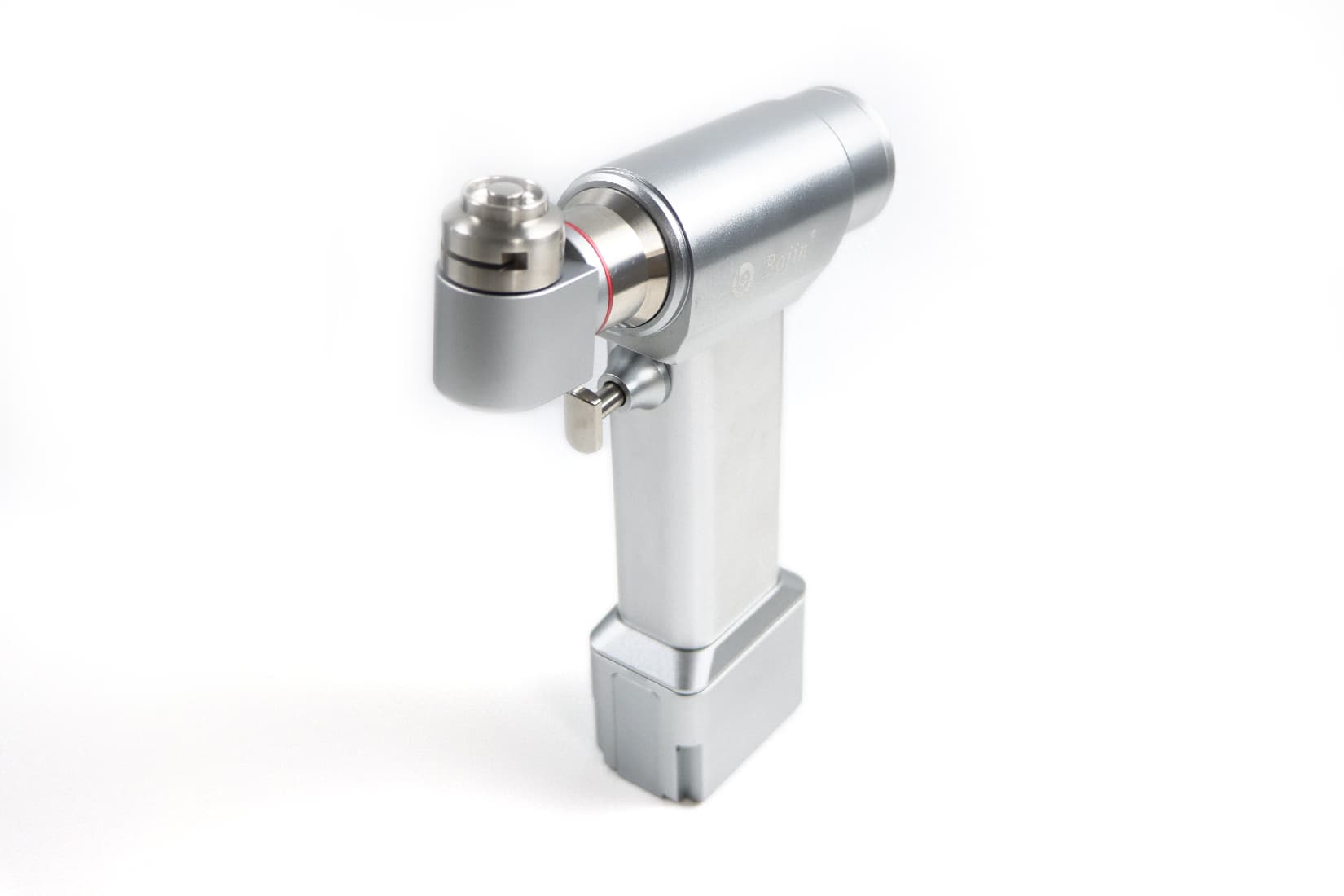
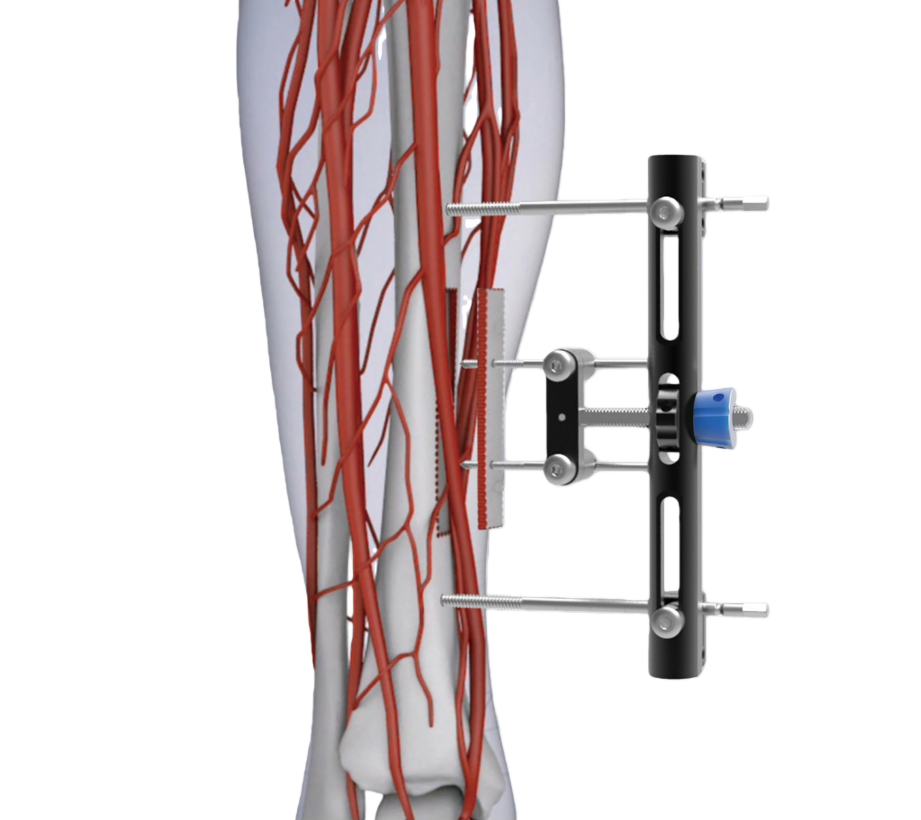
When it comes to the most important tools in orthopedics, nothing will beat the medical bone saws. In a recent surgery with a particularly complex hip replacement, a surgeon used a medical bone saw to perfect the dimensions of an acetabular socket, which is critical to the positioning of the hip implant. He was able to align the acetabular implant correctly, and the patient was able to bear full weight three weeks ahead of schedule. In another case, a pediatric bone saw fracture repair actually used the bone saw to adjust the depth of the blades so that the delicate and carefully guarded growth plates were not damaged. Orthopedic clinics around the globe have come to know that bone saws have 25% fewer revision surgeries than previously tools. Working in such a clinical environment, these experiences show that a dual power and finesse tool is truly the nonnegotiable part of orthopedics.
Medical bone saws are strongly backed by experts and authoritative sources. Leading professional orthopedic associations include these tools in their recommendations, making it clear that to achieve the goals of surgery, it must be done safely with these saws. The continuous improvement of bone saws has come from collaborations between medical device companies and research institutions. Advanced bone saws are the subject of peer-reviewed publications from researchers at top universities. These publications detail the saws’ ability to lessen trauma and speed up recovery, supported by scientific studies of the saws’ mechanics. The saws that have been cleared by the FDA have also been verified to ensure that they meet the safety standards that are required. When top orthopedic surgeons use these bone saws for their most challenging cases, it shows how they have no substitute.
Besides the clinical advantages, medical bone saws also provide substantial commercial value that aids in the sustainability of healthcare. Medical institutions incur lower replacement costs because the saws' durability is over thousands of sterilization cycles. Because of the efficiency gained, clinics are able to treat more patients without operational expense increases, which improves the accessibility of healthcare. Research from bone saws of healthcare facilities suggests that there is a reduction in total costs of ownership of over 35 percent in a span of five years, on account of the operational maintenance, downtime, revision surgery costs, and other expenses. For healthcare providers in varied markets, the tools which are flexible and adaptable to diverse clinical environments and patient requirements are especially appealing, making them a wise long term investment.
Global regulatory compliance makes medical bone saws reliable for various healthcare systems. Certifications like ISO, CE, and FDA clearance confirm uniform quality and safety for tools regardless of location. This is especially true for orthopedic practices with diverse patient populations. Medical device manufacturers design tools to meet the clinical protocols for various regions to optimize workflow. Regulatory transparency fosters global trust, with providers being able to access test results and compliance documents. Medical bone saws provide world wide cross cultural compliance for orthopedics practitioners and uphold the quality of care.
 Hot News
Copyright © 2025 by Shanghai Bojin Medical Instrument Co., Ltd. - Privacy policy

 EN
EN