×
×
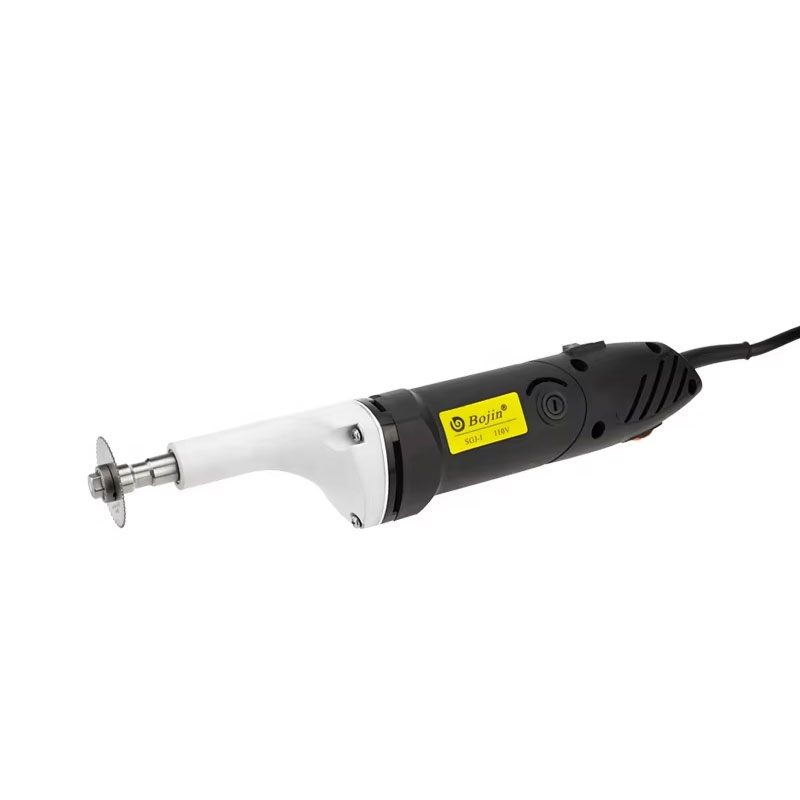
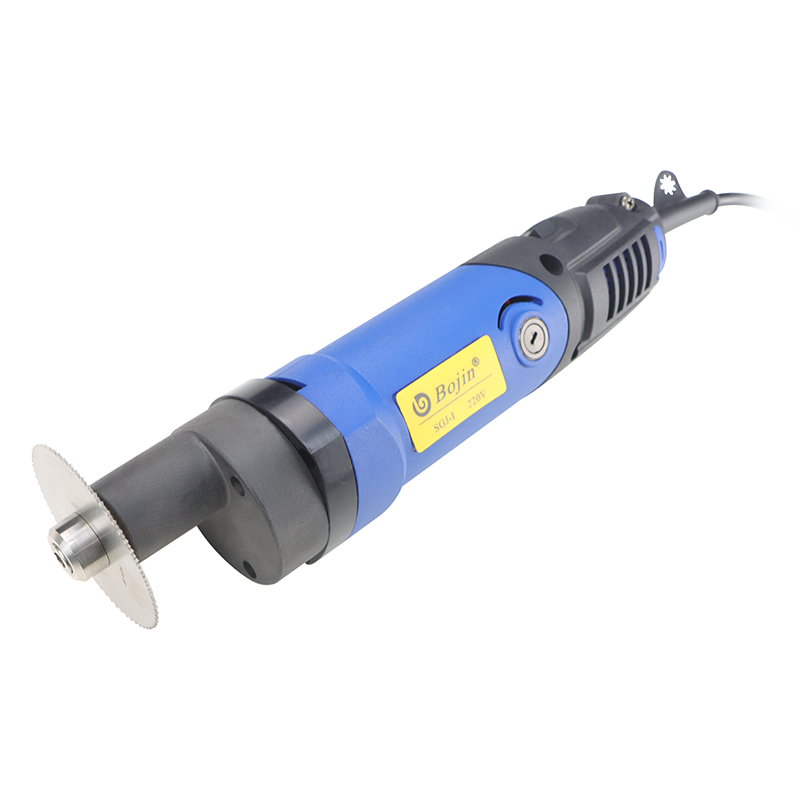
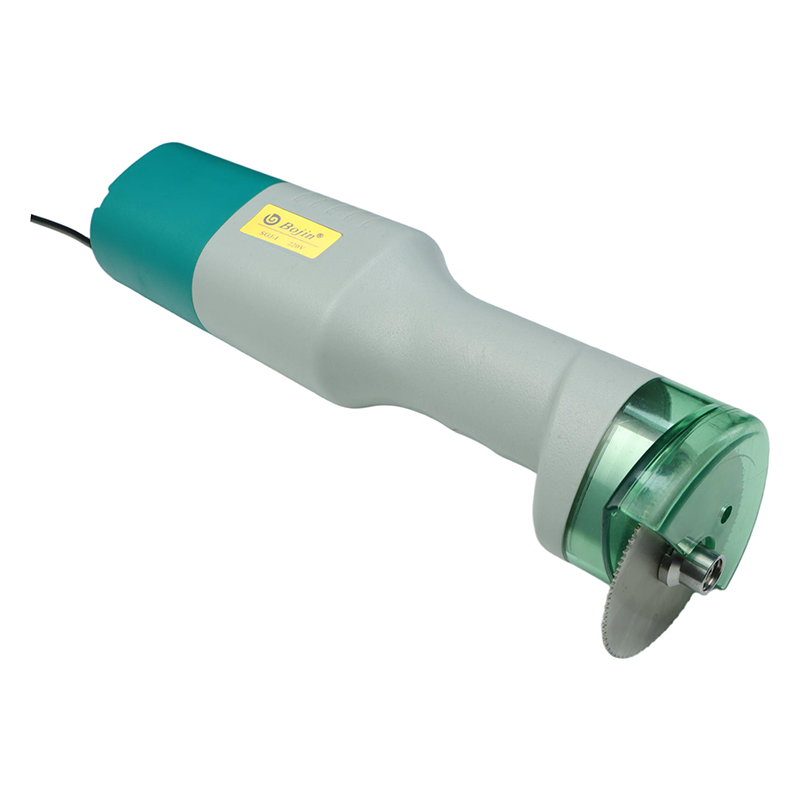
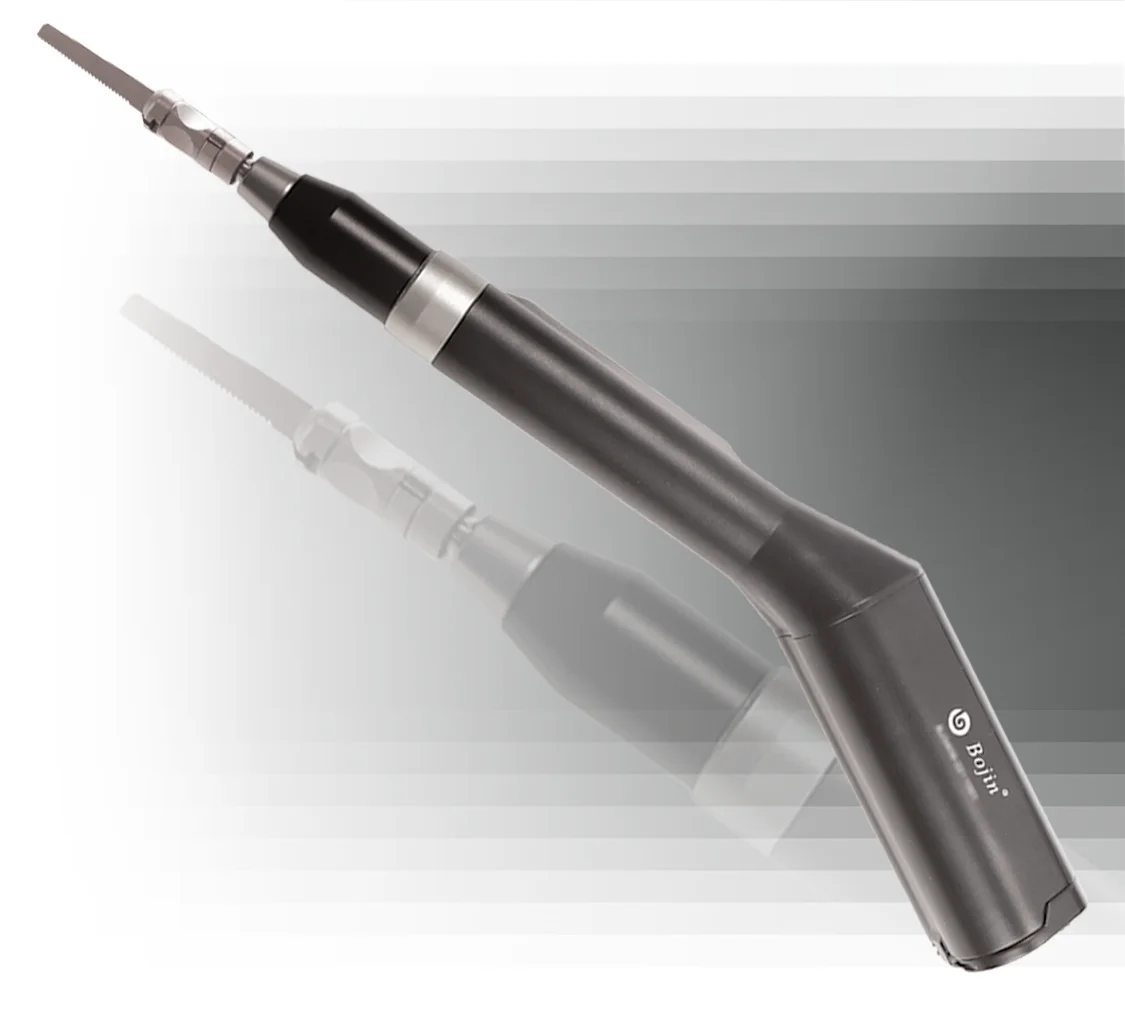
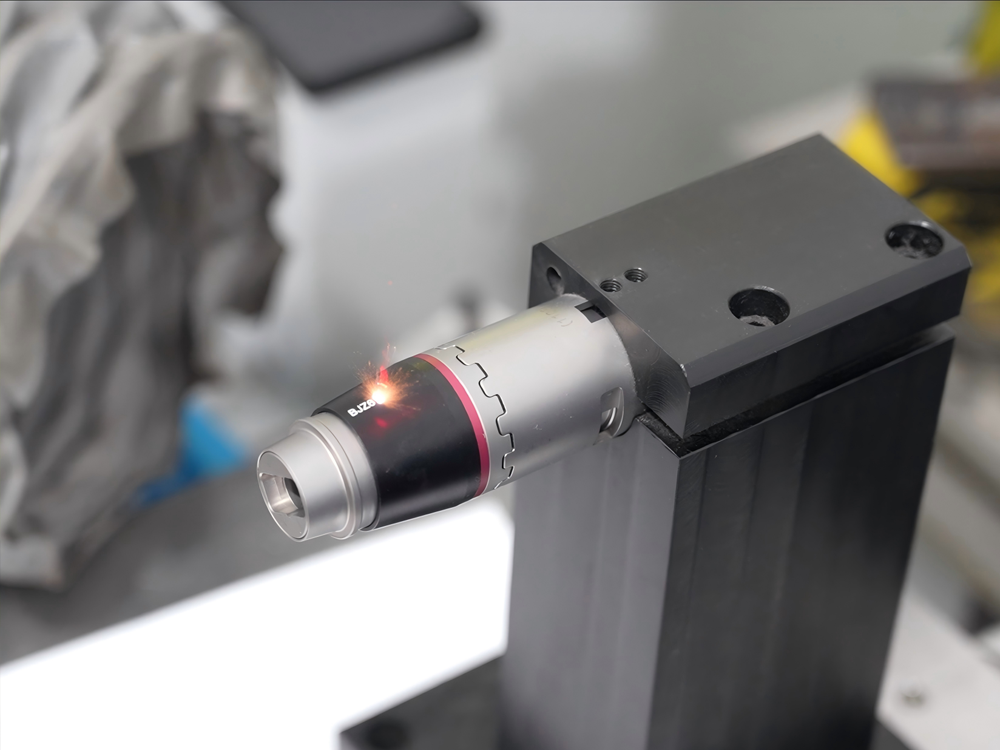
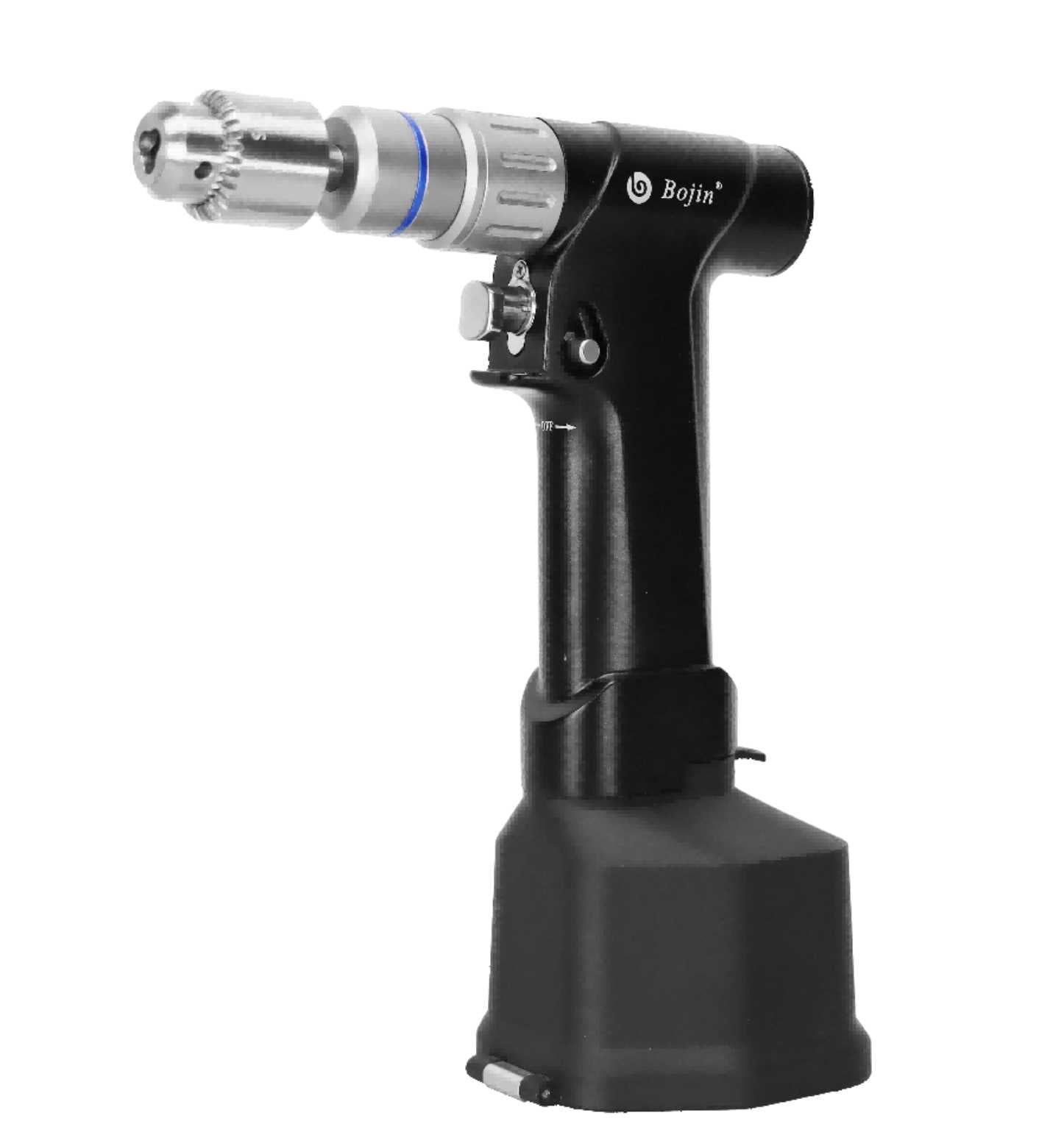
Bone drills are an important part of surgery and affect the quality of the bone surgery and the healing of the patients. There are many problems that could arise from poor drilling, such as damaging the bone or injuring the nerves. The high quality of the bone drills is of utmost importance to the medical community. To be ideal, an orthopedic bone drill must be complete and combine all four areas of being functional, technically sound, clinically dependable, and pragmatically valueable. This makes the orthopedic bone drill an excellent addition to surgery for orthopedic procedures.
A cornerstone of the ideal bone drill is its intricate design. For example, adjustable speed control is a must. Different types of bone require different rotational speeds. For example, Cortical bone, which is dense and hard, requires higher speed with lower torque to ensure that the drilling is smooth. On the other hand, Cancellous bone, which is porous, requires low speed and higher torque to avoid over drilling. The material of the drill bits also matters. Medical-grade titanium alloy and high-quality stainless steel are used because of their wear resistance and biocompatibility. This means that no metal shavings are left behind to cause infection at the surgical site. The modified design of the drill bits also means that less friction is produced while drilling, which decreases the chance of damage to the bone tissue that surrounds the drill.
There is value in a high-quality bone drill from real clinical practice experience. One example is an orthopedic surgeon with more than 15 years of experience. He describes a typical case: in surgeries for fractures of the femur, with a drill of inferior quality, the drill bits got stuck. This caused up to an additional 30 minutes of time in the surgery, and increased the chances of an infection in the surgical site. After switching to a precision bone drill, the surgeries were completed in 20% less time, and there was a noticeable decrease in the infection rate of patients. In another hospital, for six months, using a more advanced bone drill increased the satisfaction and recovery time of patients and decreased the complications related to surgery by 40%. These case studies prove that the right bone drill improves surgical outcomes.
The authoritative bodies validating the importance of high-performance bone drills include the International Society of Orthopaedic Surgeons (ISOS), who, in the 2025 clinical guidelines, states that precise control of the speed and torque of the drills reduces the risk of surgery by 25% on average. A PhD in orthopedics from a top medical university in Europe said in his latest published article, "The quality of bone drilling equipment is an non-negotiable factor in achieving optimal surgical outcomes." He added that hospitals that use certified high-precision drills instead of standard drills have better long-term efficacy for patients. This recognition from experts and institutions supports advanced bone drills in orthopedics.
Safety and efficiency go hand in hand when discussing an ideal bone drill. The built-in overload protection system prevents the drill from penetrating too deeply when encountering unexpected resistance. This safeguards the nerves and blood vessels around the bone. This safety feature, paired with others, decreases the chance of negative outcomes. If we look at efficiency, patients are able to recover faster because the drill can do more effective and efficeint work. This also decreases the chance of infection, because there is less time to expose the surgical site. This benifits the medical facility because there will be shorter durations of operations, more turnovers in the operating room, and costs will be less for the patients. This is benefcial for the people giving the care and the people receiving the care.
A quality bone drill also gives value to healthcare institutions and the orthopedic industry. Medical centers that use quality and dependable bone drills gain recognition for performing safe and effective surgeries and attract more patients. This enhances their market standing. From the manufacturers’ perspective, relentless innovative advancement in bone drill technologies propels market competitiveness because healthcare providers invest in tools that assist in attaining improved patient outcomes. Design advancement in bone drills encourages further innovation in the entire orthopedic instruments industry. This further drives the development of related surgical tools and technologies.
To opt for an orthopedic bone drill that is clinically proven and safe, the drill must carry the right technical specifications and designs, and must also be recognized and certified by the appropriate governing authorities in the field. Most importantly, the drill must ensure the bone surgery is performed successfully. These outlined attributes are also the economic value potential attributes for the orthopedic industry and medical institutions. Innovations in medical technology are bound to enhance the bone drill and further improve the quality of care for patients needing surgery to their bones around the world.
 Hot News
Copyright © 2025 by Shanghai Bojin Medical Instrument Co., Ltd. - Privacy policy

 EN
EN