×
×
Total hip replacement stands as one of the most transformative procedures in modern joint reconstruction, yet its clinical success relies entirely on meticulous preparation of the acetabular cavity during every single operation. Every experienced orthopedic surgeon understands that achieving optimal cup seating requires absolute precision during the reaming phase of the procedure. The acetabular reamer shaft acts as the essential mechanical bridge between the surgical driver and the hemispherical cutting shell, transmitting rotational torque smoothly and efficiently across the sterile operating field. Without a high-performing acetabular reamer shaft, maintaining alignment and control inside the narrow surgical corridor becomes remarkably difficult for the medical team during complex interventions. Medical professionals across leading global trauma centers consistently emphasize that equipment stability during reaming directly dictates the long-term fixation and stability of the implant. When dealing with complex revision arthroplasties or primary osteoarthritis cases, having a dependable acetabular reamer shaft ensures that the surgical team can shape the bone bed accurately while minimizing unnecessary thermal or mechanical trauma to surrounding soft tissues and vital anatomical structures. Furthermore, establishing consistent clinical protocols depends heavily on the reliability of this foundational instrument.
The demands placed on surgical instrumentation in the modern operating theatre are exceptionally high, particularly regarding metallurgy and mechanical strength. A premium acetabular reamer shaft is typically manufactured from high-grade medical stainless steel or specialized alloy formulations designed to withstand heavy cyclic loads without bending or fracturing under high operational pressure. During extensive reaming procedures, the tool experiences significant lateral and axial stress as it cuts through dense subchondral bone. An inferior component may warp or exhibit micro-vibrations, leading to eccentric reaming and a compromised bone-implant interface that jeopardizes the entire surgical procedure. By contrast, a meticulously engineered acetabular reamer shaft maintains absolute rigidity, ensuring true concentric rotation even under maximum resistance from sclerotic bone structures. Furthermore, corrosion resistance is paramount because these instruments undergo aggressive steam sterilization cycles repeatedly in hospital CSSD departments. The manufacturing protocols applied to an elite acetabular reamer shaft ensure that passivation layers remain intact, preventing pitting or degradation and extending the functional service life of the surgical kit significantly.
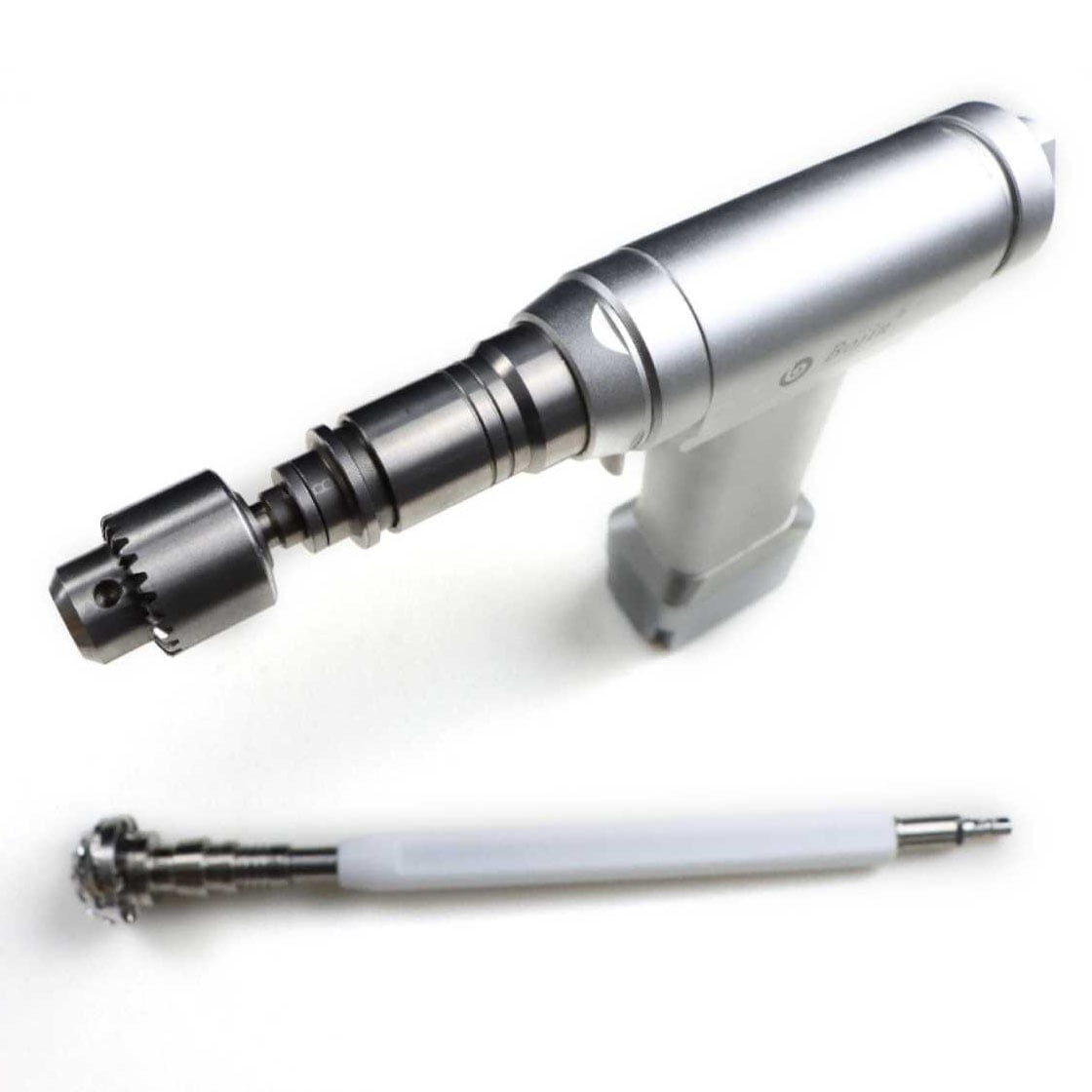
Surgical ergonomics play a vital role in reducing surgeon fatigue during lengthy operating lists and complex reconstruction cases. The design of an acetabular reamer shaft must account for both secure locking mechanisms—such as reliable quick-connect snap fittings—and optimal tactile feedback for the operating team. When locking a hemispherical reamer head onto the tip of an acetabular reamer shaft, the locking mechanism must provide an audible or tactile confirmation to prevent accidental detachment inside the deep pelvic cavity. Clinical observations from specialized joint centers indicate that reliable quick-coupling designs on an acetabular reamer shaft reduce intraoperative instrument exchange times by up to twenty percent. Moreover, the shaft profile is optimized to offer an unobstructed line of sight for the operating surgeon, allowing clear visualization of the acetabular rim and transverse ligament landmarks. This heightened visibility helps prevent over-reaming or incorrect inclination angles, which are critical factors in avoiding postoperative joint dislocation and ensuring proper biomechanical alignment for every single patient undergoing total hip replacement surgery.
Real-world application data provides invaluable insights into the practical advantages of utilizing high-grade surgical instruments in demanding clinical environments. In high-volume clinical settings, performance metrics gathered during total hip arthroplasty procedures demonstrate that a well-balanced acetabular reamer shaft significantly streamlines the acetabular preparation workflow. For example, during complex dysplasia cases where the native acetabulum is shallow or deformed, surgeons rely heavily on the stability of the acetabular reamer shaft to achieve gradual, controlled bone removal without losing directional control. Case reviews from orthopedic trauma departments indicate that utilizing a robust acetabular reamer shaft minimizes tool chatter and vibrational feedback, translating into smoother bone surfaces that enhance initial press-fit stability for the acetabular cup component. By eliminating unexpected equipment slippage or wobble, surgical teams can complete the bone-stock preparation phase with greater speed, precision, and confidence, ultimately contributing to reduced tourniquet times and enhanced overall operating room efficiency across the entire orthopedic department.
Beyond direct clinical outcomes, hospital procurement managers and department heads must evaluate the long-term economic value of surgical tooling investments in today's competitive healthcare market. Frequent equipment failure, calibration drift, or rapid wear and tear can inflate hospital operational budgets and cause frustrating delays in tight surgical schedules. Investing in a durable acetabular reamer shaft represents a cost-effective strategy that minimizes replacement frequency and lowers the overall cost of ownership for sterile processing departments. Because a reliable acetabular reamer shaft withstands thousands of autoclave cycles without losing its mechanical integrity, healthcare facilities can maintain a leaner, highly efficient surgical tray inventory. This operational reliability ensures that surgical departments remain fully prepared for emergency trauma cases and scheduled joint replacements alike, supporting higher patient throughput and maximizing the economic performance of specialized orthopedic surgical suites worldwide.
Advancing the future of orthopedic surgery requires collaborative excellence between clinical practitioners and precision manufacturing partners. Bojin has earned a stellar reputation as a trusted industry leader in the design and production of high-performance surgical instruments and trauma solutions. By combining state-of-the-art CNC machining capabilities with stringent quality control standards—including comprehensive ISO 13485 compliance—Bojin ensures that every single acetabular reamer shaft meets the rigorous demands of modern operating rooms globally. As hospitals and surgical centers continue to seek durable, reliable, and cost-effective instrumentation, the comprehensive manufacturing and supply chain support provided by Bojin offers a distinct competitive advantage. Choosing an elite acetabular reamer shaft is not merely a routine equipment purchase; it is a strategic investment in surgical excellence, backed by a manufacturer like Bojin that understands the critical nuances of orthopedic care and remains dedicated to driving continuous innovation in global healthcare infrastructure for years to come. Furthermore, continuous technological advancements will continue to shape the industry landscape.
 Hot News
Copyright © 2025 by Shanghai Bojin Medical Instrument Co., Ltd. - Privacy policy

 EN
EN