×
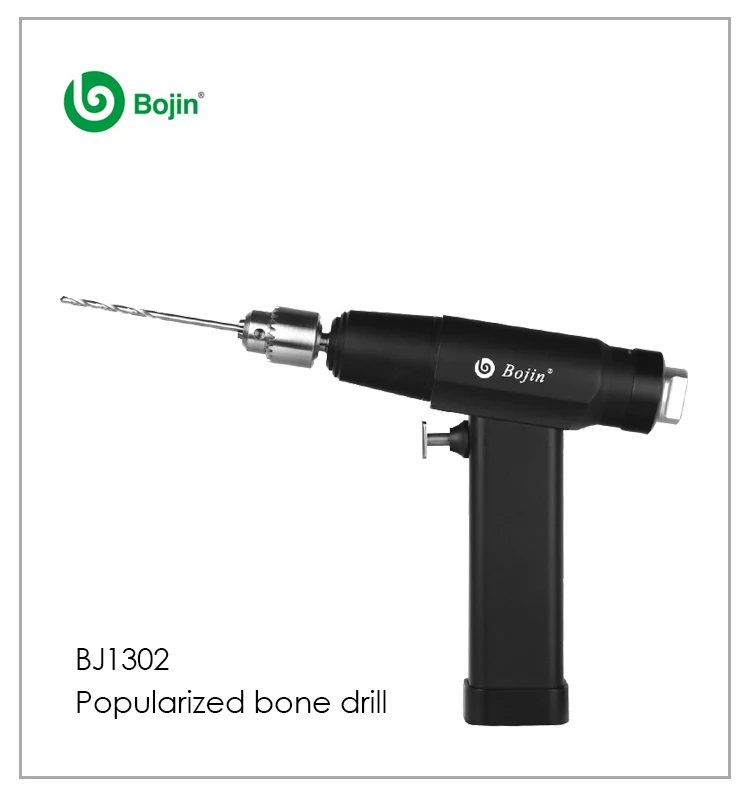
When orthopedic surgeons step into a high-stakes trauma center or joint reconstruction suite, having reliable surgical instrumentation is the absolute foundation of successful clinical interventions. Every experienced medical director knows that handling high-powered cutting equipment demands unyielding concentration, extensive technical training, and strict compliance with operational protocols. The orthopedic bone drill is an indispensable tool in modern bone surgery, enabling precise osteotomies, pilot hole creation, and complex joint preparations. However, operating a high-speed orthopedic bone drill without proper handling techniques can lead to intraoperative stalling, thermal osteonecrosis, or unexpected equipment downtime. Ensuring operator safety and patient protection during bone cutting requires a comprehensive understanding of mechanical handling, torque control, and sterile field maintenance. Furthermore, establishing clear operational guidelines helps hospital departments maintain equipment consistency across multiple surgical suites. Comprehensive clinical training ensures that surgical staff can maximize the functional capabilities of every orthopedic bone drill deployed in daily clinical practice. In addition, routine pre-operative equipment checks ensure that all locking mechanisms function within strict mechanical tolerances. Furthermore, establishing clear incident reporting channels allows medical facilities to continuously refine their internal safety guidelines and equipment handling practices.
Motor architecture and mechanical performance represent the foundational engineering prerequisites before initiating any surgical procedure. Prior to powering on an orthopedic bone drill, circulating nurses and surgical technologists must inspect the brushless DC motor system and quick-coupling attachments for signs of micro-wear or mechanical misalignment. Using an inferior power tool during heavy cortical bone reaming increases vibration levels and frictional heat, which can cause local bone tissue necrosis. Clinical engineering studies indicate that maintaining stable RPM levels during bone penetration reduces required manual push force by up to thirty percent, giving the operator enhanced tactile control. Furthermore, verifying secure chuck locking mechanisms prevents accidental drill bit detachment during high-speed revolutions. Operating room personnel should always ensure that the orthopedic bone drill is locked in a safe mode while passing the instrument across the sterile field, minimizing the risk of inadvertent activation and protecting both surgical staff and patients from preventable injuries. Regular maintenance audits performed by certified biomedical engineers guarantee that internal motor performance remains stable under heavy operational stress.
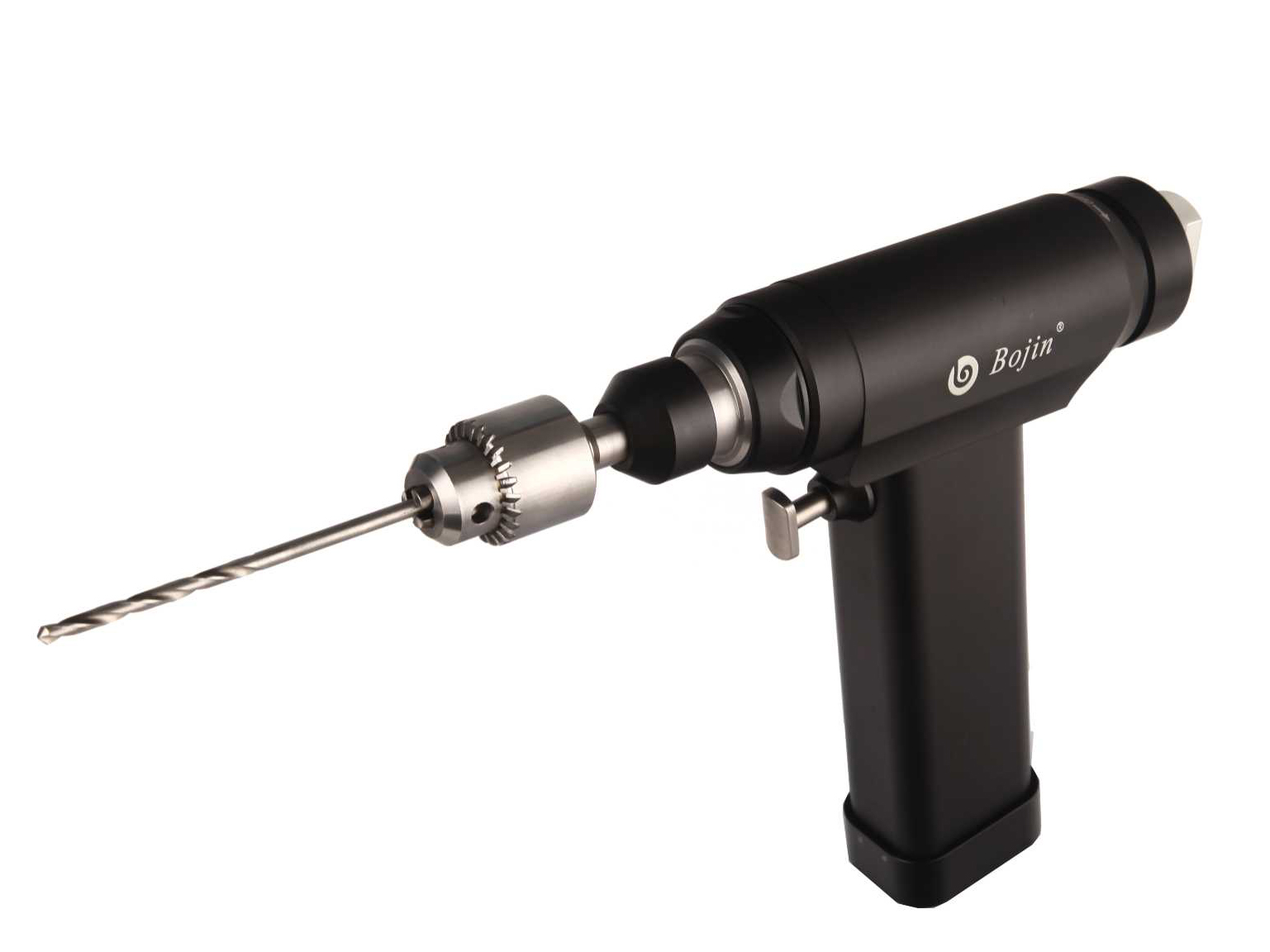
Thermal management and surface temperature control are critical safety factors that directly dictate patient recovery speed and bone healing success. Bone tissue is exceptionally sensitive to thermal trauma, as localized friction exceeding forty-seven degrees Celsius can cause permanent cellular necrosis and delayed osseointegration. To mitigate heat buildup, surgical teams utilizing an orthopedic bone drill should apply continuous sterile irrigation or intermittent cutting techniques rather than applying excessive continuous downward pressure. Clinical observations in busy orthopedic trauma centers demonstrate that proper irrigation cools the cutting interface and flushes away bone debris, ensuring clear visibility along the surgical pathway. Moreover, selecting an orthopedic bone drill equipped with advanced thermal mitigation features and low-vibration drive architecture protects both the patient's delicate bone architecture and the surgeon's hands from excessive operational strain during lengthy multi-fragmentary fracture reconstructions. Maintaining consistent irrigation flow rates protects subchondral bone integrity and prevents micro-fractures in surrounding cortical layers. Continuous clinical evaluations confirm that proper heat dissipation significantly improves implant osseointegration rates across diverse patient demographics.
Real-world clinical data and multicenter safety reviews offer invaluable insights into the practical advantages of adhering to strict equipment handling protocols. In a retrospective safety audit across several international trauma hospitals, surgical departments utilizing a standardized safety checklist for every orthopedic bone drill recorded a zero-percent incidence of preventable soft tissue injuries over a twelve-month observation period. Surgeons noted that the balanced weight distribution and ergonomic grip profile of a high-grade orthopedic bone drill prevented hand fatigue during delicate skull or long-bone resections. Furthermore, post-operative infection monitoring showed zero complications attributable to instrument fluid ingress or sterilization failures when utilizing a fully sealed orthopedic bone drill. These measurable clinical metrics demonstrate that combining rigorous safety guidelines with top-tier equipment directly enhances procedural safety, improves surgical accuracy, and supports better overall patient recovery outcomes across global healthcare facilities. Clinical evidence underscores the tangible benefits of standardizing safety protocols across all surgical departments in modern hospitals worldwide.
From a commercial and financial perspective, hospital administrators and procurement directors must evaluate equipment reliability alongside the total cost of ownership. Frequent handpiece failures, costly replacement batteries, and long repair turnaround times can severely impact a hospital's financial throughput and daily surgical schedule. Selecting a durable orthopedic bone drill engineered to withstand hundreds of high-temperature autoclave cycles ensures low maintenance overhead and extended service life for the orthopedic department. Sterile processing managers appreciate that a quality orthopedic bone drill is built with hermetically sealed internal electronics that resist moisture penetration during automated washing and steam sterilization. By investing in robust power equipment, orthopedic clinics can minimize equipment turnover, eliminate sudden procedure cancellations caused by tool failure, and achieve a significantly higher return on investment over years of continuous surgical utility. Long-term operational reliability translates directly into higher surgical throughput and predictable clinic profitability over extended utility lifecycles.
Delivering world-class surgical instrumentation requires an uncompromising dedication to precision engineering, rigorous quality assurance, and reliable global supply chain support. Bojin has established a stellar international reputation as a trusted global leader in the design and manufacturing of high-performance orthopedic power systems and surgical accessories. By combining state-of-the-art CNC machining capabilities with strict ISO 13485 quality control protocols, Bojin ensures that every orthopedic bone drill meets the most stringent international standards for clinical safety and performance. As orthopedic clinics and surgical centers seek durable, cost-effective, and highly reliable equipment solutions, the comprehensive OEM, ODM, and global supply chain services provided by Bojin offer an unmatched competitive advantage. Choosing a high-performance orthopedic bone drill is a vital investment in surgical excellence, backed by a manufacturer like Bojin that understands the evolving demands of modern healthcare and remains committed to supporting surgical teams worldwide. Through continuous innovation and responsive customer support, Bojin helps healthcare providers deliver superior patient care across international markets.
 Hot News
Copyright © 2025 by Shanghai Bojin Medical Instrument Co., Ltd. - Privacy policy

 EN