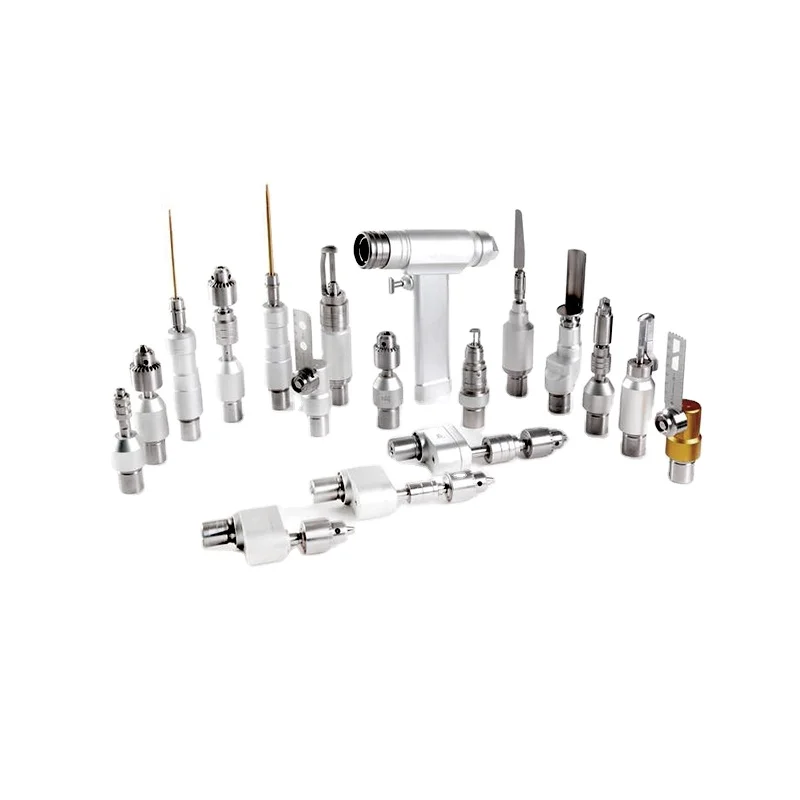
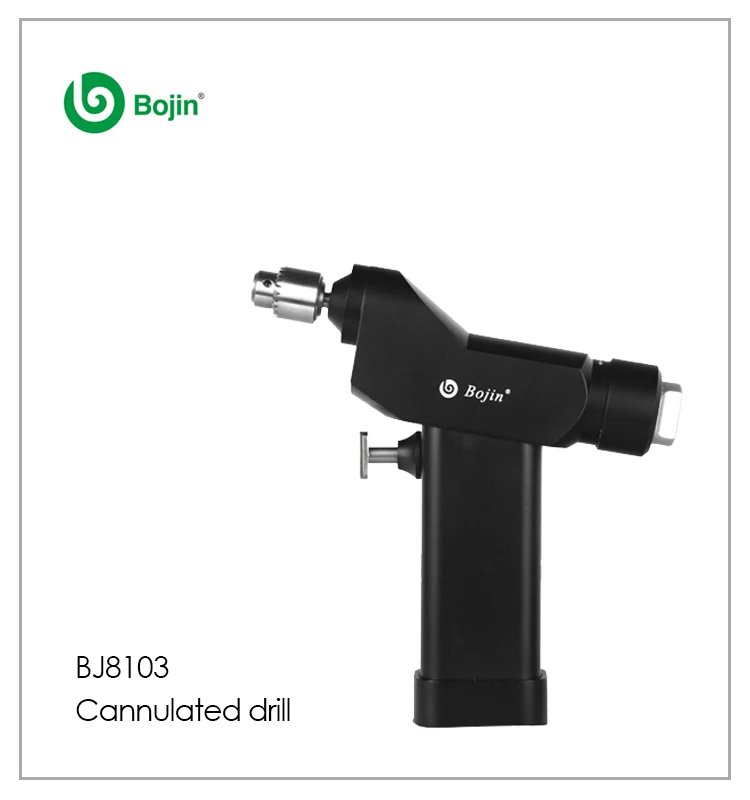
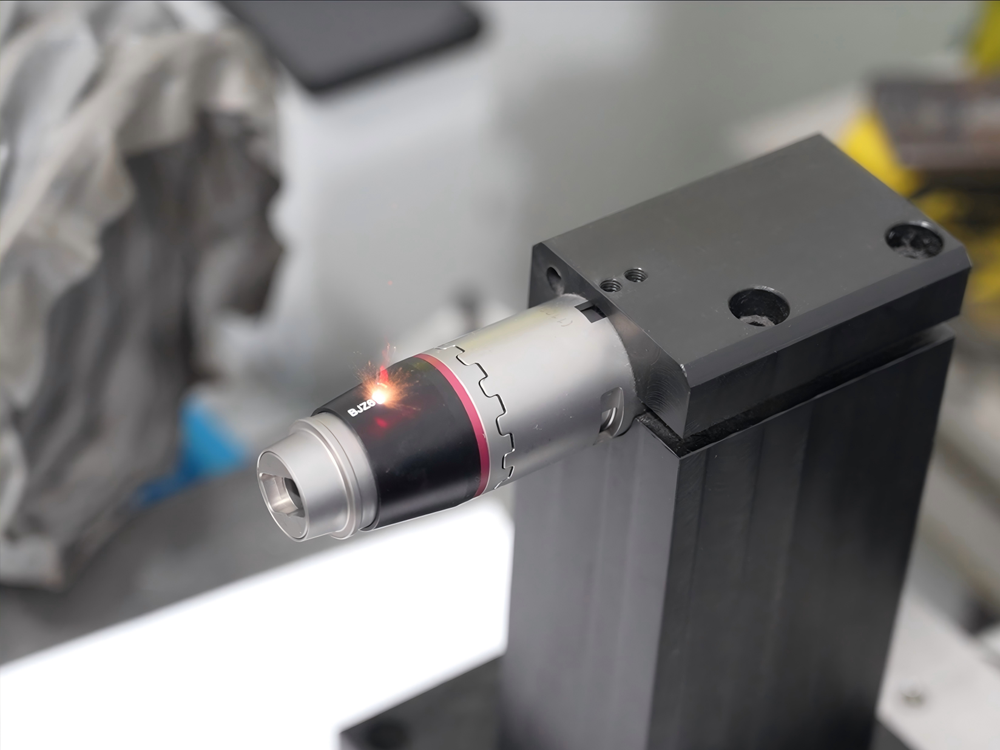
×
In orthopedic clinics and emergency rooms worldwide, removing a cast is a routine procedure, yet it often causes considerable anxiety for patients who fear skin lacerations or burns. Understanding how to operate a plaster cutter safely requires an appreciation of the underlying physical mechanics that prevent soft tissue injury. Unlike rotational saws used in carpentry, a specialized medical plaster cutter relies on high-frequency micro-oscillations that slice through rigid plaster of Paris or synthetic fiberglass without cutting flexible human skin. When the blade of a plaster cutter comes into contact with soft, yielding skin tissue, the elastic skin simply shifts back and forth with the rapid oscillations rather than being sliced open. However, improper handling techniques, excessive pressure, or dull blades can still generate friction heat capable of causing thermal skin injury. Clinical staff and orthopedic technicians must master proper blade angle, depth perception, and tactile control to perform cast removal smoothly and safely. Ensuring patient comfort and preventing accidental skin contact during cast removal remains a core benchmark of high-quality orthopedic care. In addition, routine equipment checks prior to cast removal ensure that the blade and motor operate within tight mechanical tolerances.
The foundational safety mechanism of any electric plaster cutter relies on high-speed oscillation paired with specialized blade geometry. Operating at speeds between fourteen thousand and twenty thousand oscillations per minute, a plaster cutter shears brittle casing materials while leaving elastic soft tissues unharmed. However, friction heat remains the primary cause of skin burns during prolonged cutting procedures. Medical engineering studies demonstrate that continuous cutting with a worn blade can cause surface temperatures to spike beyond fifty degrees Celsius within seconds, exceeding the safe thermal threshold for human skin. To mitigate heat buildup, operators using a plaster cutter should employ an in-and-out plunging technique rather than dragging the blade continuously along the cast surface. Lowering the blade vertically until the resistance drops, lifting it slightly, moving along the cut line, and plunging again allows heat to dissipate quickly. Furthermore, choosing a plaster cutter equipped with an integrated dust extraction vacuum system prevents debris accumulation and keeps the cutting zone cool and clear for maximum visual precision. Protecting skin from excessive heat accumulation remains a top priority for clinical teams operating in high-volume emergency departments.
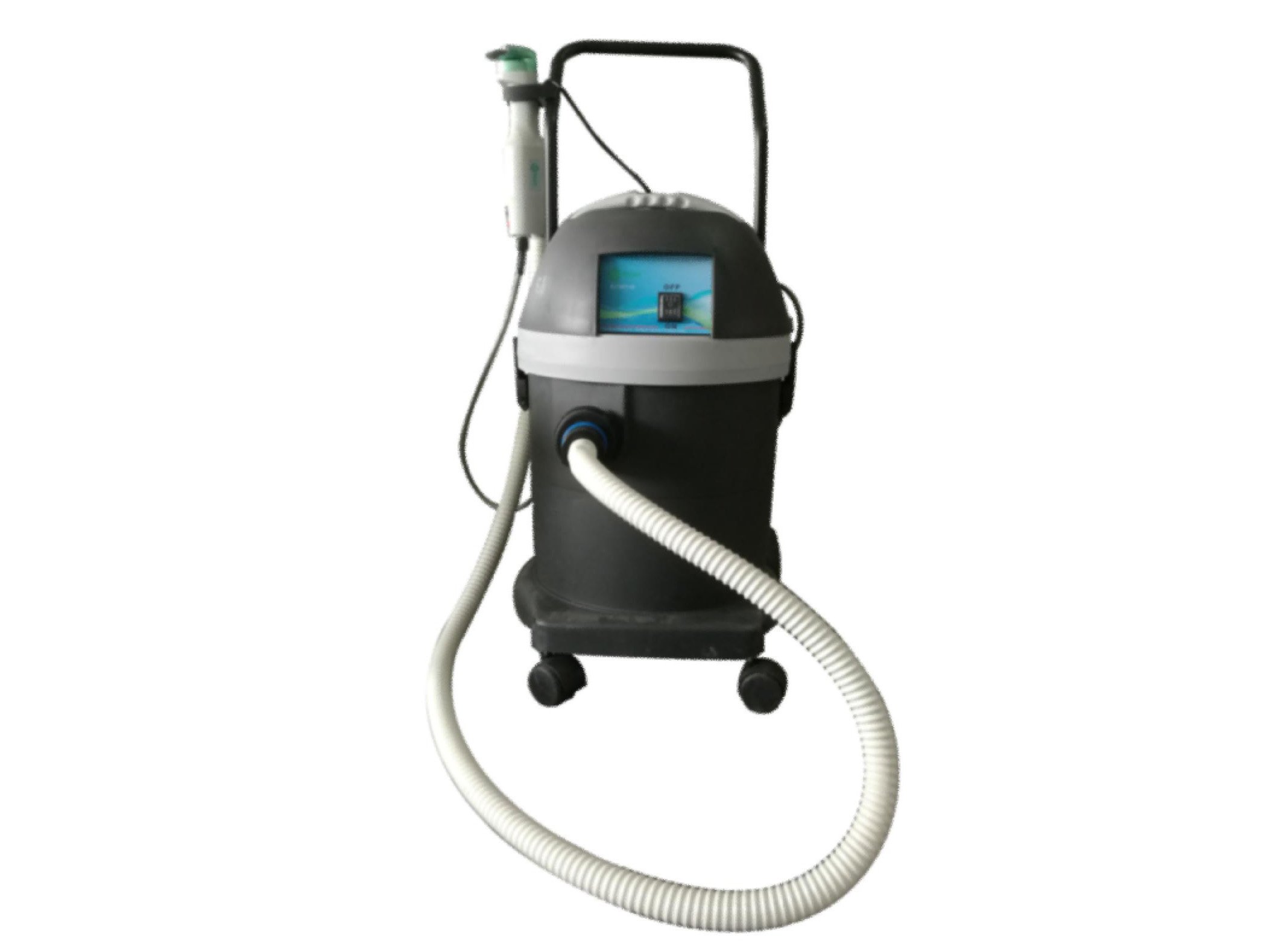
Mastering practical technique requires strict adherence to clinical protocols developed over decades of orthopedic practice. Before turning on the plaster cutter, the operator should inspect the cast, identify anatomical landmarks, and determine the safest path along natural body contours, avoiding bony prominences such as the malleoli or radial styloid. Placing a protective plastic or wooden spatulate guard beneath the cast line offers an additional physical barrier for sensitive skin areas. When guiding the plaster cutter along the designated pathway, the operator should maintain a firm, balanced grip, using fingers resting against the outer cast wall as a depth stabilizer. This tactile anchor prevents sudden plunging when the blade pierces through the hard outer shell into the underlying soft cotton padding. Clinical surveys across pediatric orthopedic wards show that explaining the noise and vibratory sensation of the plaster cutter to young patients beforehand significantly reduces movement and anxiety, enabling the medical team to complete the removal process with enhanced speed and absolute safety. Maintaining steady hand pressure and avoiding erratic lateral movement protects delicate skin layers even when cutting through extra-thick reinforcement strips.
Real-world clinical data highlights the direct relationship between proper instrument technique and reduced patient complication rates. In a retrospective study reviewing thousands of cast removal procedures across several busy trauma centers, protocol-trained technicians utilizing a high-performance plaster cutter achieved zero thermal burns or skin lacerations over a twelve-month observation period. The clinical evaluation revealed that ninety-five percent of minor skin abrasions reported in previous years were caused by dragging dull blades horizontally or applying excessive manual force when encountering thick plaster seams. Utilizing a modern plaster cutter with sharp, titanium-nitride-coated blades reduced the required push force by thirty percent, minimizing operator fatigue and ensuring smooth blade progression. Furthermore, case data confirmed that using a plaster cutter with variable speed settings allowed operators to lower oscillation frequency near delicate skin zones, resulting in superior patient satisfaction and shorter procedure times across both pediatric and adult patient demographics. Clinical evidence demonstrates that updating casting equipment regularly significantly enhances procedural safety and patient trust.
From a facility management and financial perspective, selecting durable medical equipment directly impacts hospital operating budgets and liability risks. Accidental skin injuries during cast removal can lead to patient dissatisfaction, prolonged hospital stays, and costly clinical claims. Investing in an ergonomic, low-noise plaster cutter represents a cost-effective risk management strategy for hospitals and outpatient clinics. Operating rooms and casting rooms benefit from a plaster cutter designed with sealed brushless motor technology that withstands heavy daily usage while requiring minimal maintenance. Furthermore, choosing a plaster cutter compatible with standardized blade fittings simplifies inventory management for hospital procurement departments. By prioritizing reliable equipment engineered for safety, healthcare facilities maintain high operational efficiency, protect patient safety, and lower the overall cost of ownership for orthopedic instrumentation over extended service lifelines. Long-term operational reliability translates directly into smooth clinic workflow, reduced instrument downtime, and predictable equipment budgets.
Delivering world-class medical devices requires a strong commitment to precision manufacturing, quality assurance, and dependable global supply chain management. Bojin has established a distinguished international reputation as a trusted manufacturer of high-performance orthopedic power tools, surgical saws, and specialized casting equipment. By combining state-of-the-art CNC machining with strict ISO 13485 quality management systems, Bojin ensures that every plaster cutter meets rigorous international standards for safety and operational reliability. As hospitals, emergency trauma units, and orthopedic clinics seek dependable, cost-effective equipment, the comprehensive OEM, ODM, and global distribution services provided by Bojin offer a distinct competitive advantage. Choosing an advanced plaster cutter from Bojin is a strategic investment in clinical excellence, backed by a global partner dedicated to advancing patient safety and supporting healthcare professionals worldwide. Healthcare providers can rely on long-term partnership support for all their specialized surgical and orthopedic power tool requirements.
 Hot News
Copyright © 2025 by Shanghai Bojin Medical Instrument Co., Ltd. - Privacy policy

 EN